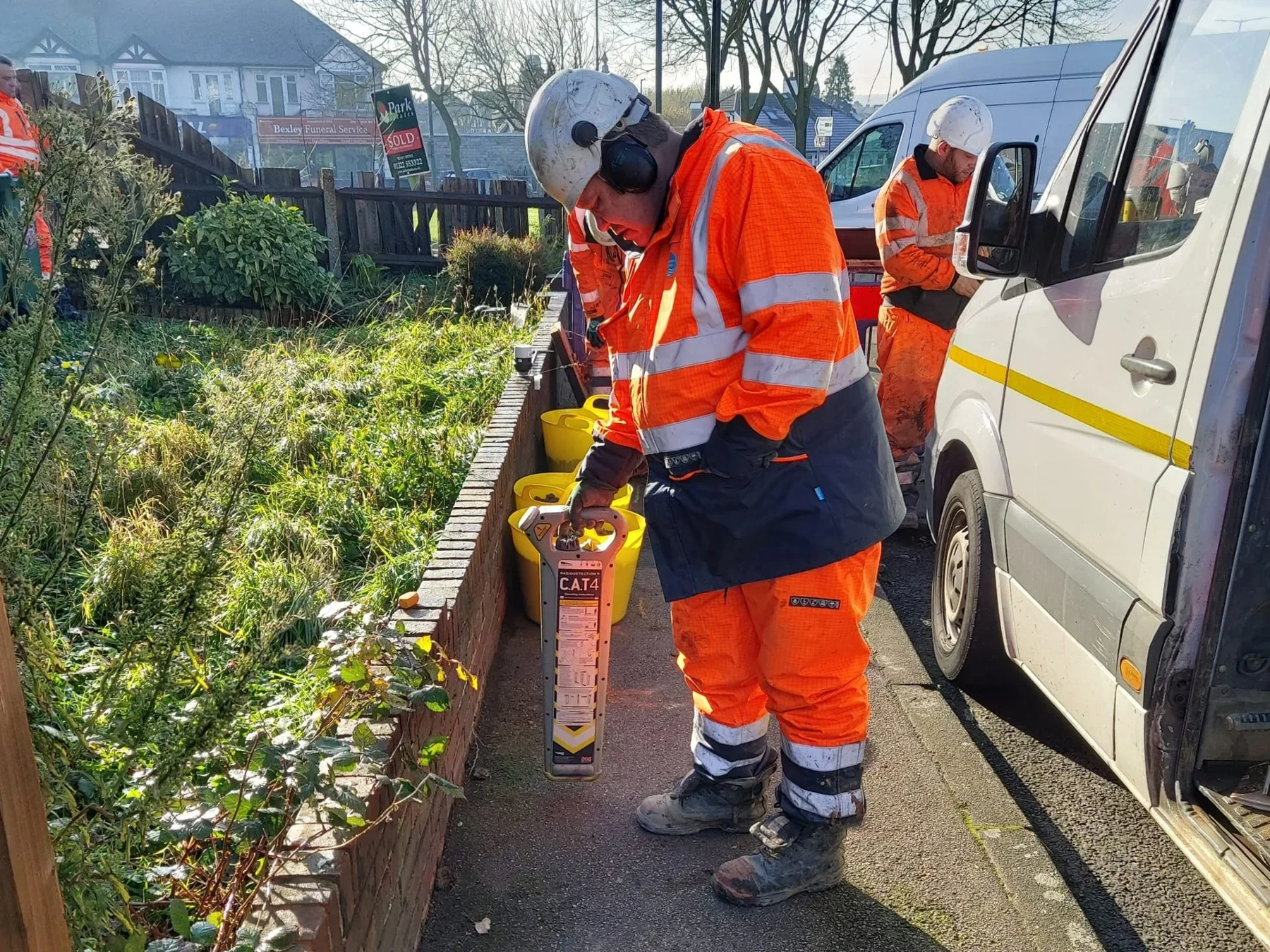
HSG47 Training
Genny and CAT · EUSR Cat 1 and ProQual routes
This course covers HSG47, HSG47 Training, Underground Services, Genny and CAT, EUSR Cat 1, ProQual Cat 1
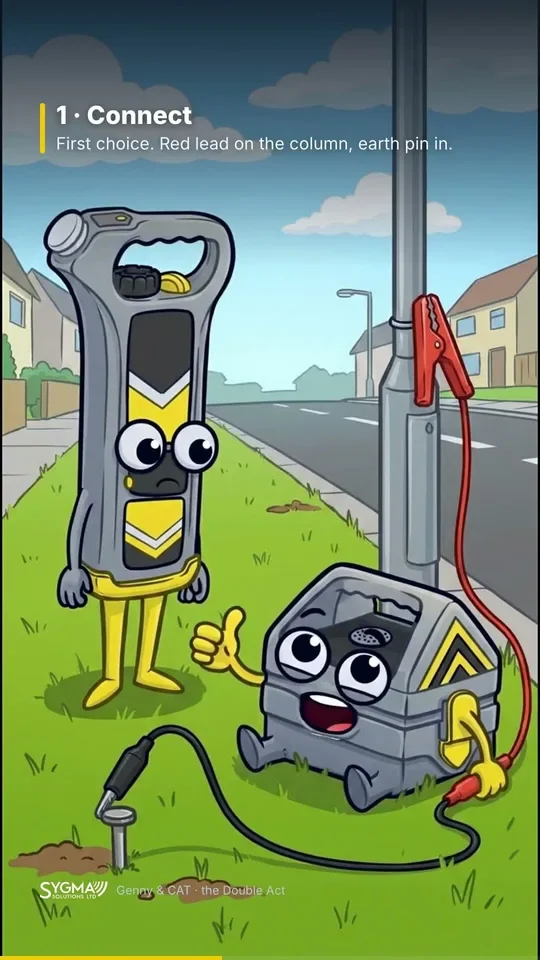
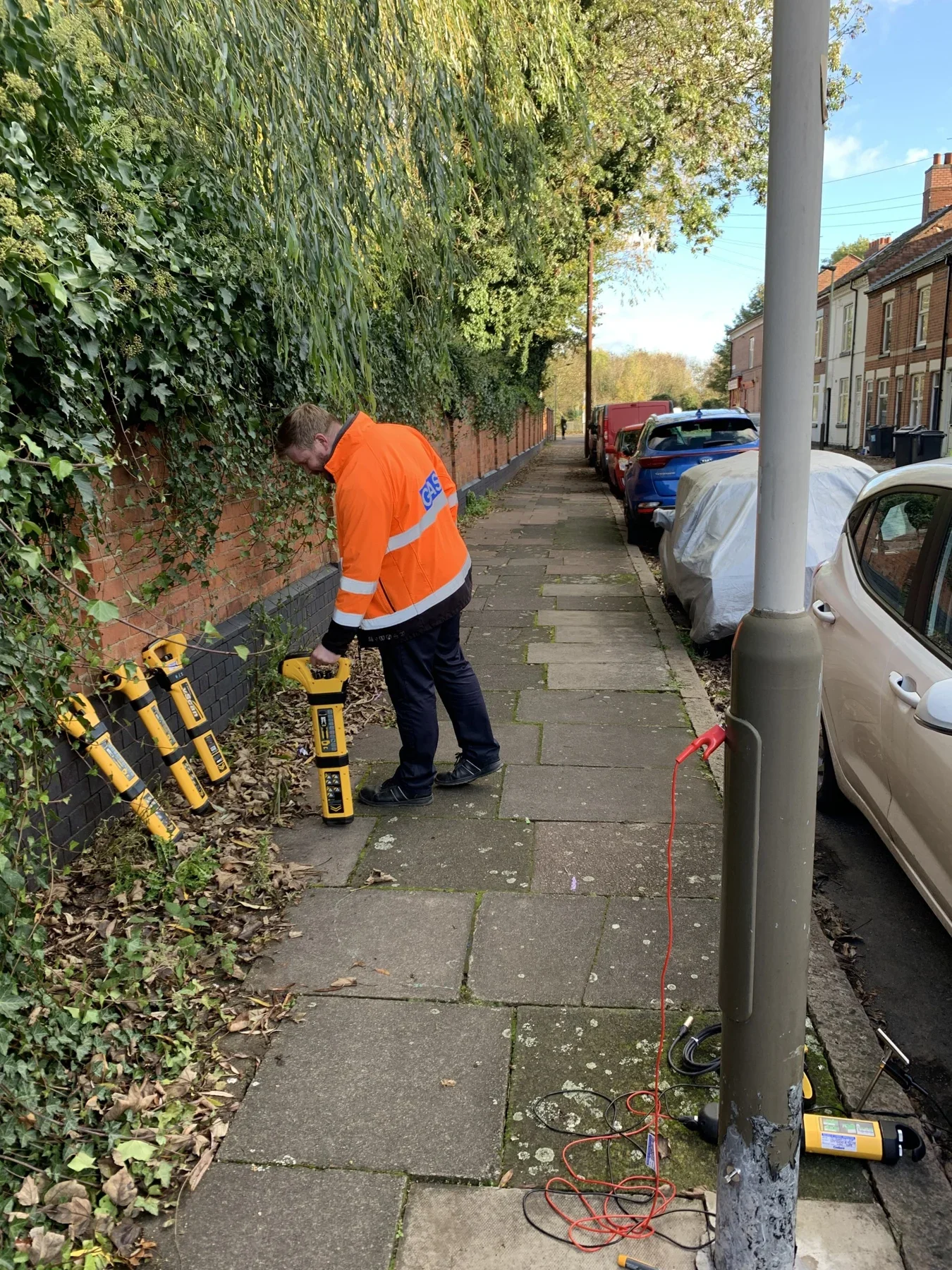
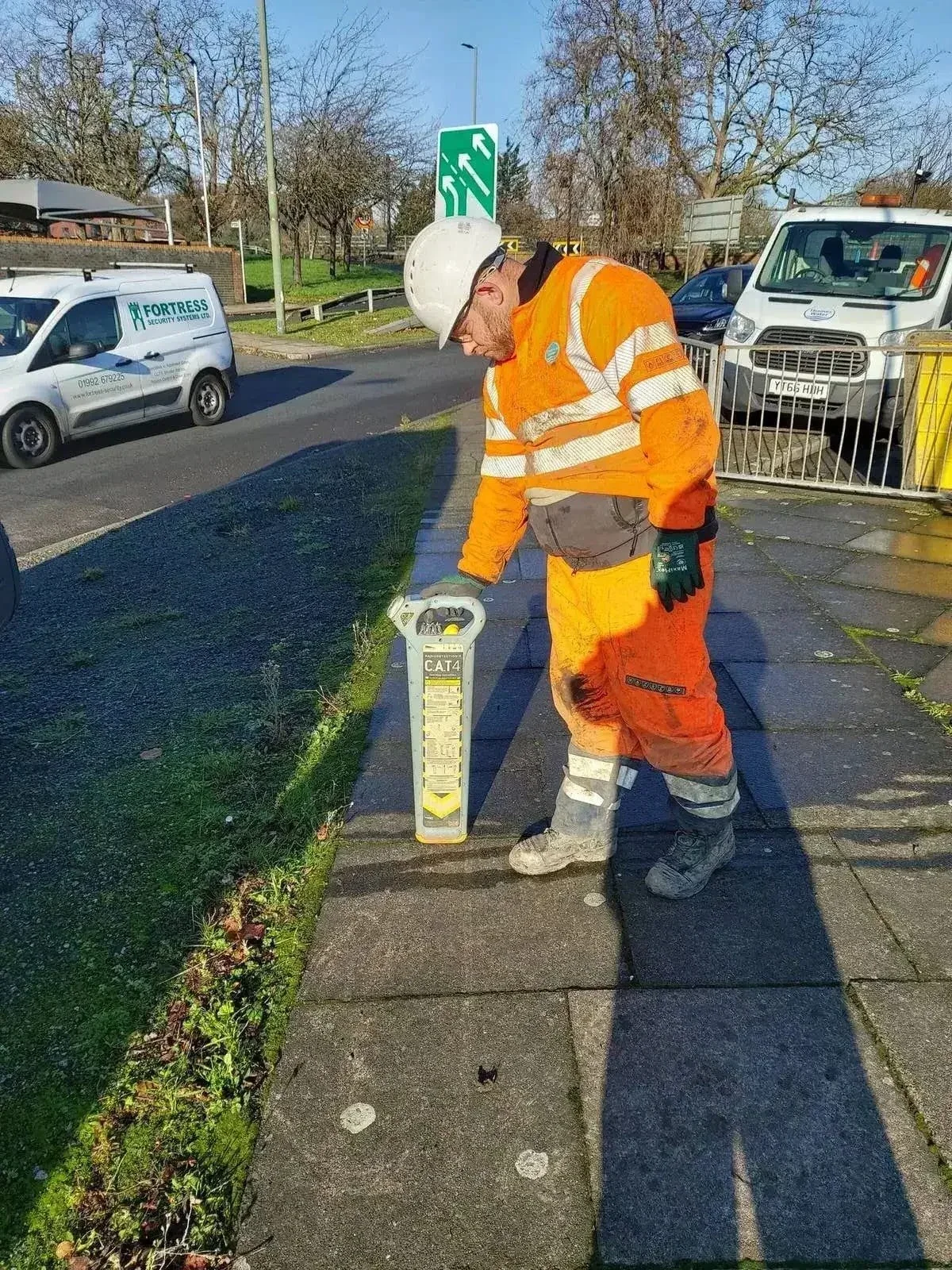
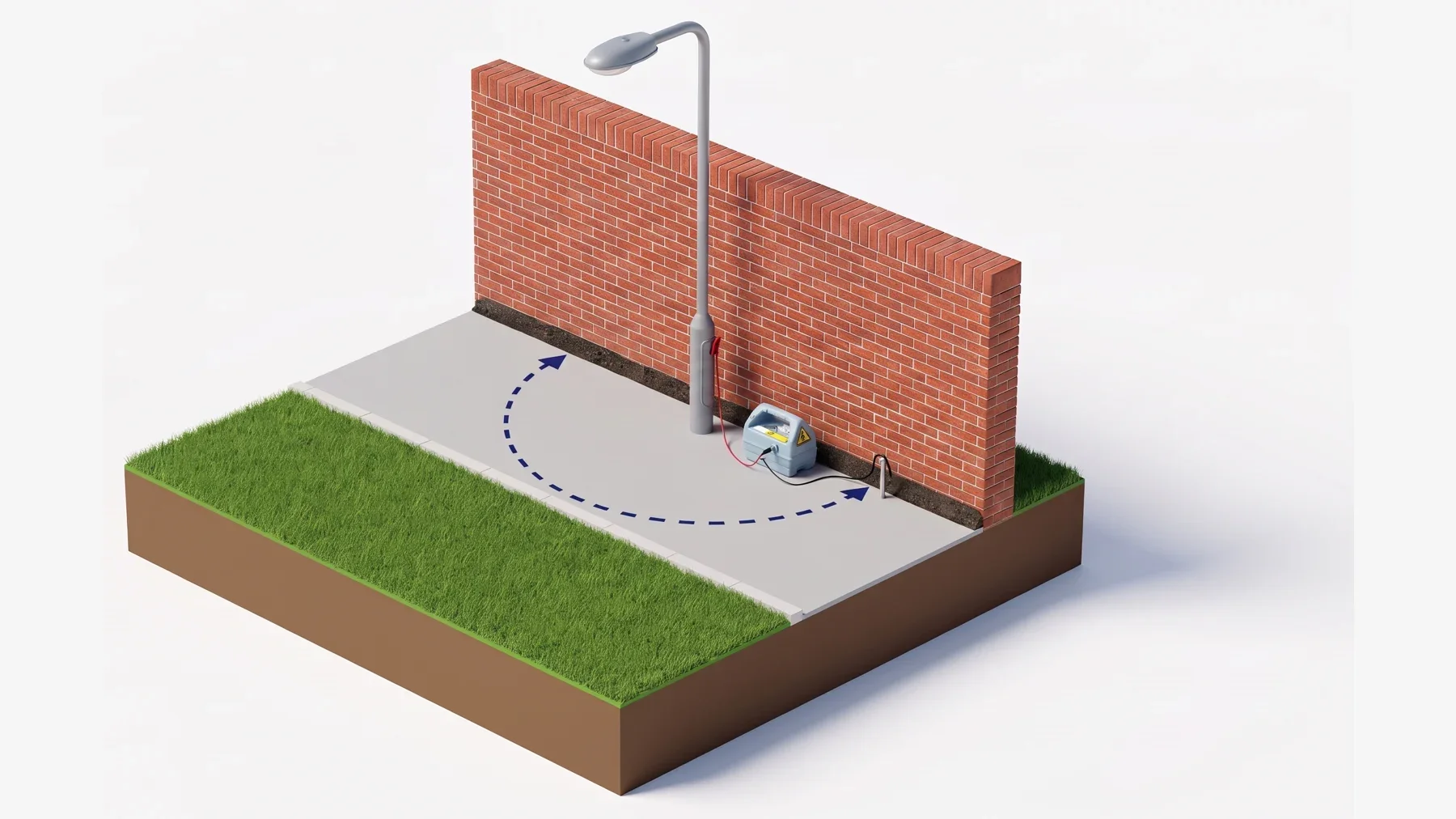
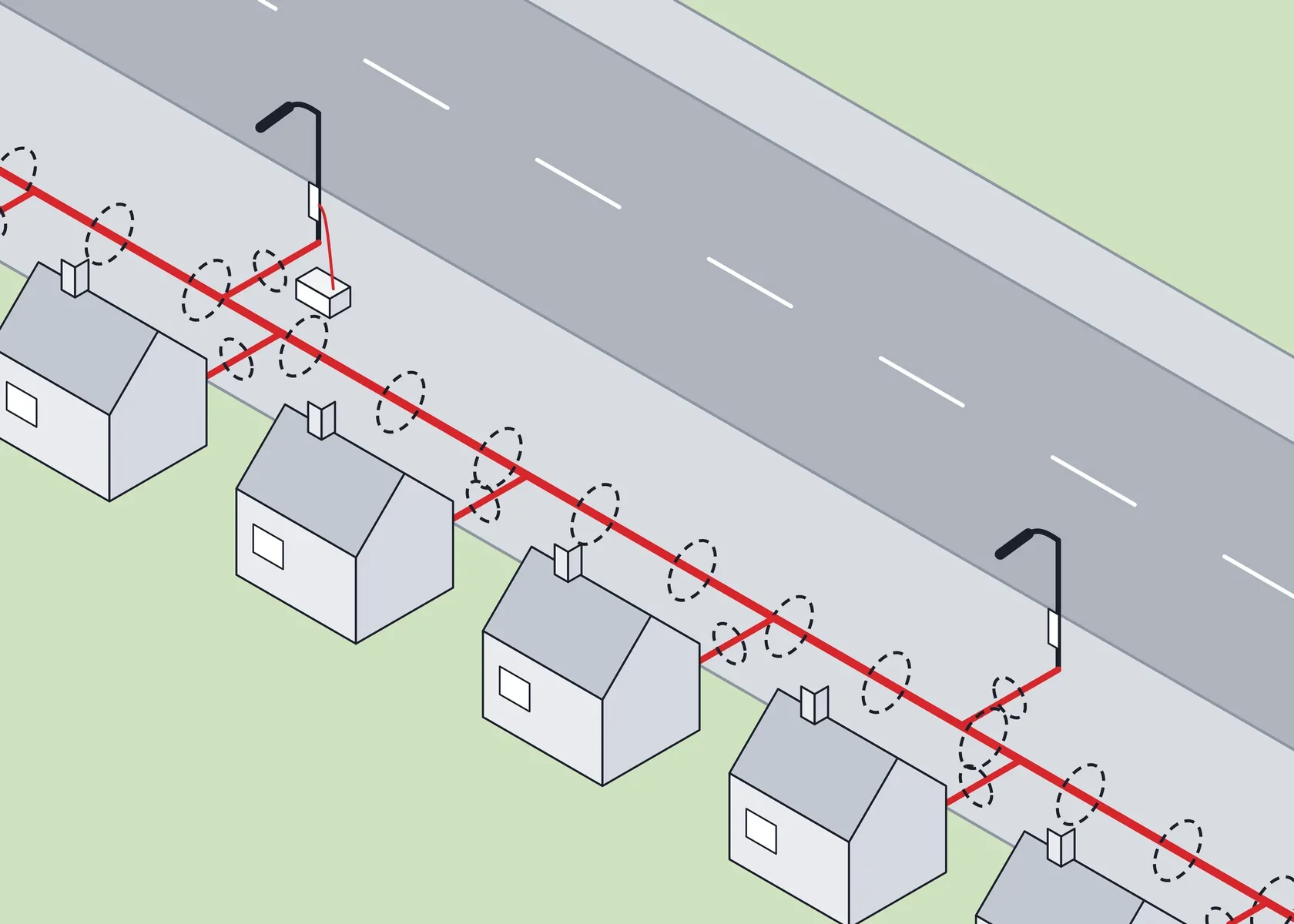
Genny and CAT: the Double Act
Our 66-second cartoon
Duration
One day
08:30 – ~15:00
Group size
Max 8
Per trainer, per day
Delivery
On-site UK-wide
or our Wigan centre
Assessment
80% pass
Written + practical
Why Sygma for HSG47 Training
Specialism
The UK’s Only Independent Specialist
No surveys, no equipment sales and no ties to any maker. Underground utility location training is the only thing Sygma does. Our method is unbiased, and our EUSR-accredited course content reduces service strikes. It is not just about issuing certificates.
Methodology
Genny-First — Proven to Work
Delegates trained by Sygma use the signal generator 70-80% more, measured from locator data downloads. That is changed behaviour on site, not just a card in a wallet. Both the EUSR Category 1 and ProQual CAT1 routes are built on this method.
Delivery
Your Premises, Nationwide
Every course delivered at your premises across the UK. Travel included, no hidden extras. Your delegates learn on the same ground and buried utility services they encounter daily — not on a generic training centre rig. Course dates flexible.
Trainers
Directly Employed, TAQA Qualified
Every Sygma trainer is directly employed. They are former utility surveyors, safety professionals or former equipment manufacturer specialists. They have done the work they teach, on National Grid sites and utility contracts. A general health and safety company cannot match that.
One course, your choice of badge
The content and assessment are identical whichever route you choose. Pick the certificate your scheme or client requires.
These are certificate fees, not the course price. They are charged per person, on top of the course fee. The course itself is quoted separately, based on your numbers and whether we deliver on-site or you take open-course seats.
21 Years
One Specialism
Underground utility location training is all we do.
EUSR + CITB
Accredited Course Routes
EUSR Category 1, ProQual CAT1, CITB Approved Training Organisation.
UK-Wide
On-Site Delivery
Travel included. Course delivered at your premises, nationwide.
Sygma certificate
Sygma In-House
Our own certificate of competence, issued on the day.
Includedno certificate fee
EUSR registration
EUSR Cat 1
Nationally recognised EUSR registration card.
+£34per person
Regulated award
ProQual Level 2
ProQual Level 2 Award: a regulated qualification.
+£35per person
Accredited & approved by



Who Needs HSG47 Training?
HSG47 requires anyone using cable and pipe locating equipment to be trained and assessed as competent. Some people write it HSG 47 and some HSG47. They are the same document. That applies to delegates using the equipment and to the duty holders responsible for safe management. In practice:
- ›Site delegates and groundworkers — anyone who picks up a CAT and Genny to locate utility services before excavations — the core audience. EUSR Category 1 course is the standard route.
- ›Civil engineers and site supervisors — they supervise digging, read utility drawings and make sure safe systems of work are in place near services. ProQual CAT1 carries extra content for supervisors.
- ›Utility workers and contractors — anyone working on or near buried services and pipes for utility companies, National Grid sites, highways authorities or network operators. Most clients require EUSR registration.
- ›Duty holders and principal contractors — project managers, principal contractors and safety professionals have a legal duty to make sure their teams hold a current EUSR Category 1 or ProQual CAT1 card. National occupational standards apply to the whole team.
Most principal contractors, and most utility company permit systems, require operatives to hold a recognised course certificate that meets the HSG47 standard. That is usually the EUSR Category 1 course (Locate Utility Services) or ProQual CAT1. The certificate must still be in date before any digging starts.
What Is HSG47?
HSG47 is the Health and Safety Executive’s guidance on avoiding danger from underground services, and that is its full title: Avoiding danger from underground services. It applies to anyone who plans, manages or carries out work that breaks ground.
HSG47 is not legislation. It supports the Health and Safety at Work Act 1974 and the Construction (Design and Management) Regulations 2015. It sets out what the HSE sees as good practice against the dangers and hazards of digging near buried services. If a utility strike happens and the HSE investigates, one of the first things it checks is whether the organisation followed HSG47. Not following it does not automatically mean a prosecution, but it badly weakens any defence.
It applies to everyone responsible for ground works: the client who orders the work, the designer who decides where it goes, the principal contractor who plans and manages it, the supervisor who picks the team, and the operatives who dig. It is not only for the person holding the CAT or working the digger.
Next available course dates
Open course places on our scheduled dates, or we deliver on your site on a date that suits you.
Open course places
From £121per delegate
Certificate fees are charged separately.
Most popular
On-site, at your premises
We come to you, anywhere in the UK, on a date that suits you, using your own equipment, your plans and your site. One fixed price for your group of up to 8, travel included. Contact us for a quote. You are not limited to the dates below.
Tell us your dates →Open public courses
Book individual places
Scheduled open courses for one or two delegates, or when you do not have a suitable site of your own. Priced per delegate. The next available dates are listed below.
See the dates ↓| Date | Course | Duration | Availability | |
|---|---|---|---|---|
| Mon, 7 December 2026 | HSG47 Locating Underground Services (Wigan)Sygma Solutions Ltd, Wigan | 1 day | Fully booked | Book this date → |
| Mon, 18 January 2027 | HSG47 Locating Underground Services (Wigan)Sygma Solutions Ltd, Wigan | 1 day | Fully booked | Book this date → |
| Mon, 8 February 2027 | HSG47 Locating Underground Services (Wigan)Sygma Solutions Ltd, Wigan | 1 day | 8 places | Book this date → |
| Mon, 15 March 2027 | HSG47 Locating Underground Services (Wigan)Sygma Solutions Ltd, Wigan | 1 day | 7 places | Book this date → |
Need a date that is not listed, or the whole course on your own site? We deliver UK-wide, travel included: tell us your dates.
What Does the HSG47 Course Cover?
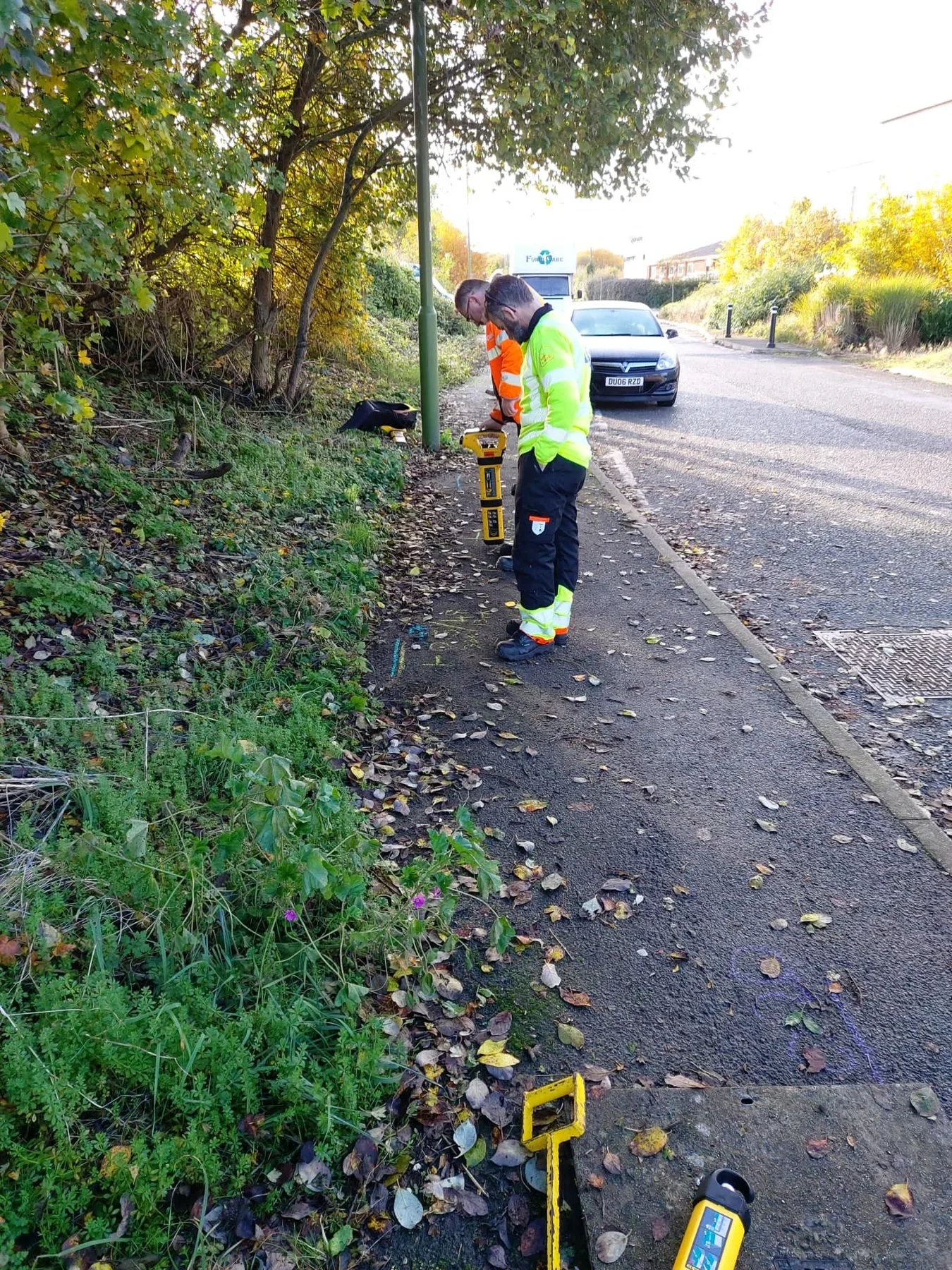
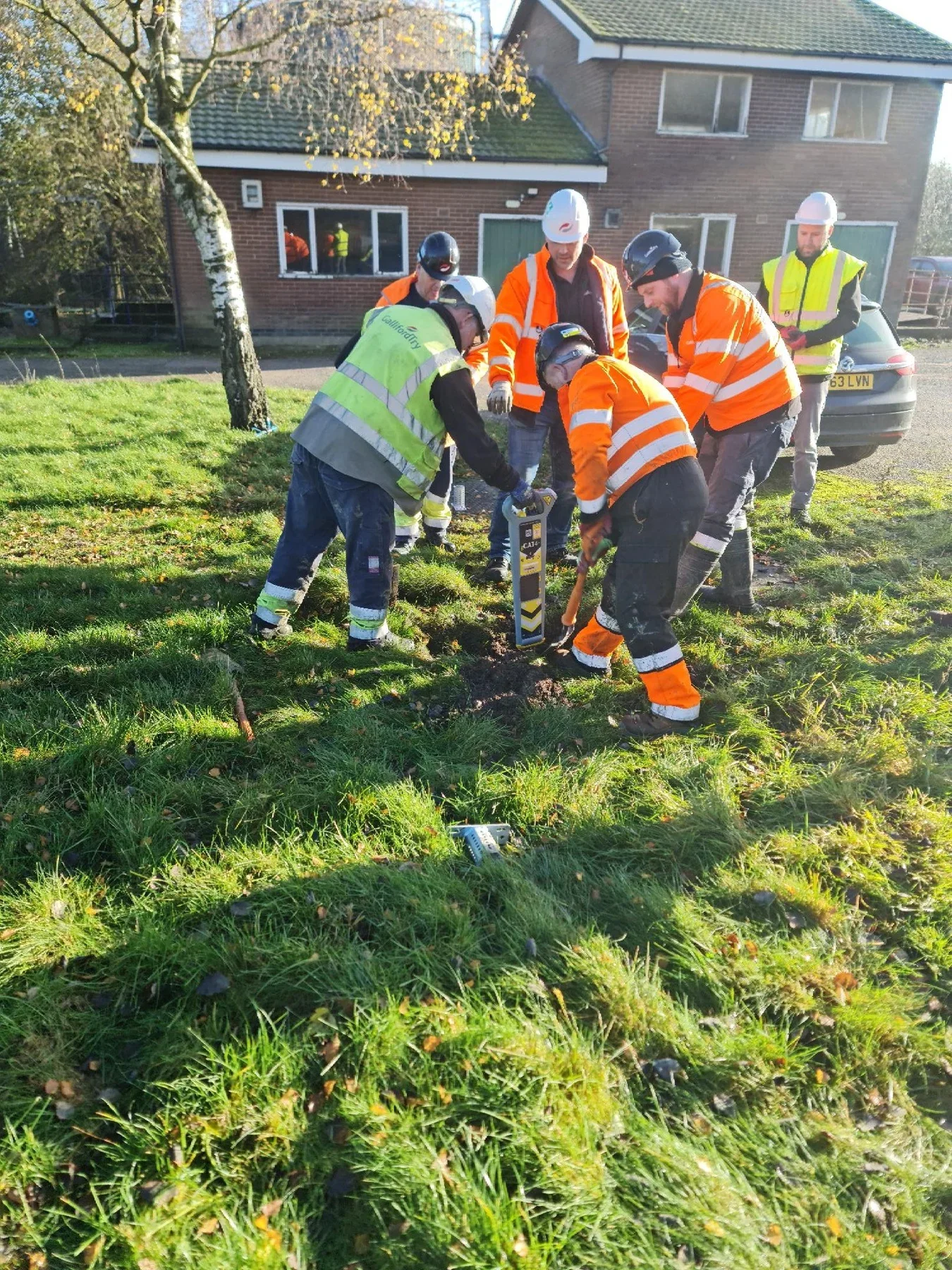
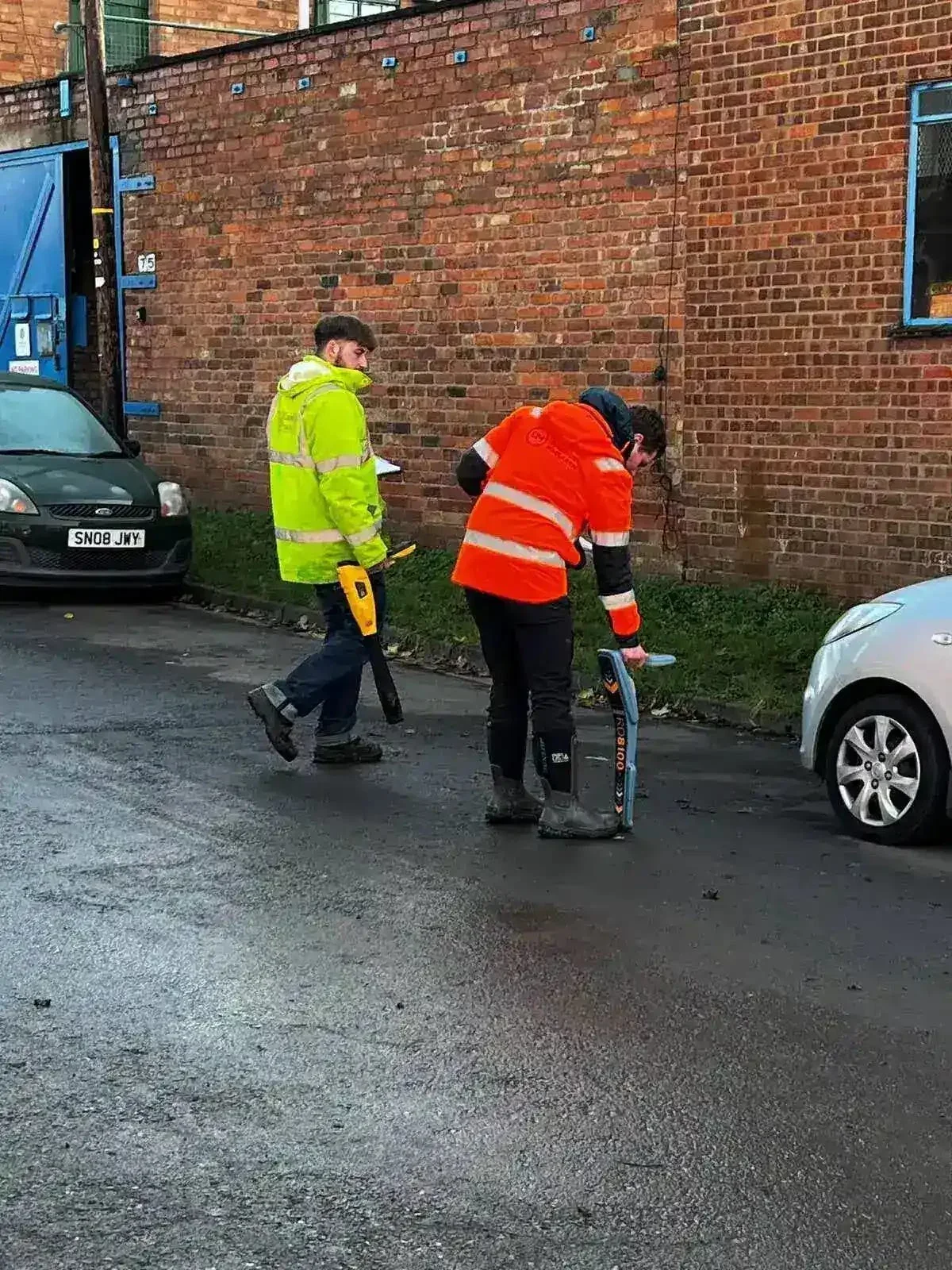
Booked by many customers as HSG47 CAT and Genny training, the course covers two areas that work together. The first is using cable avoidance tools to find buried services safely. The second is managing safe digging around them. Sygma runs every course at your premises, anywhere in the UK. It covers utility drawings, line search documents, approved detection methods and the full check before any dig begins. It is safety critical for any work near buried services or on National Grid sites.
CAT and Genny Training
Equipment operation and detection methodology
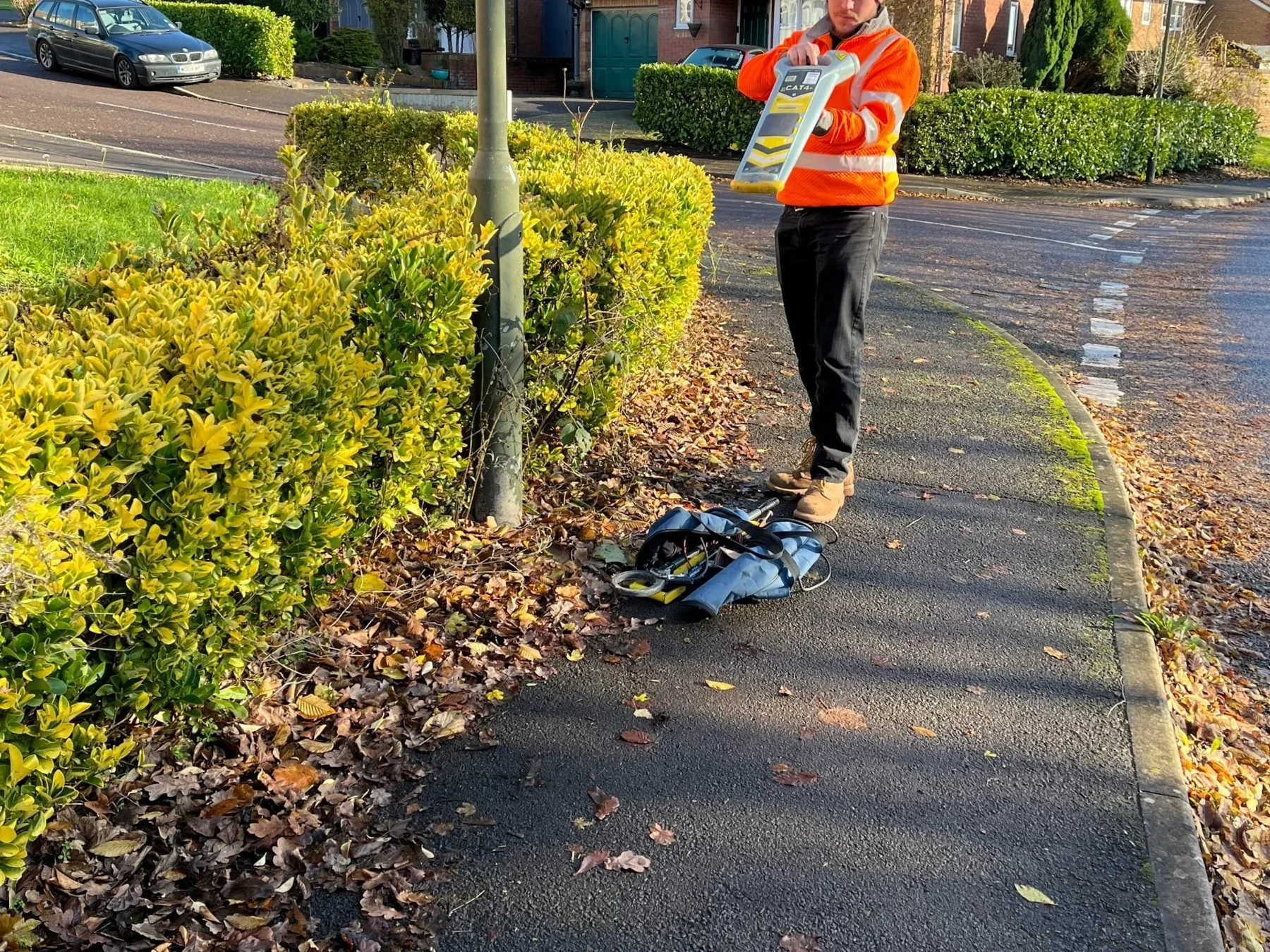
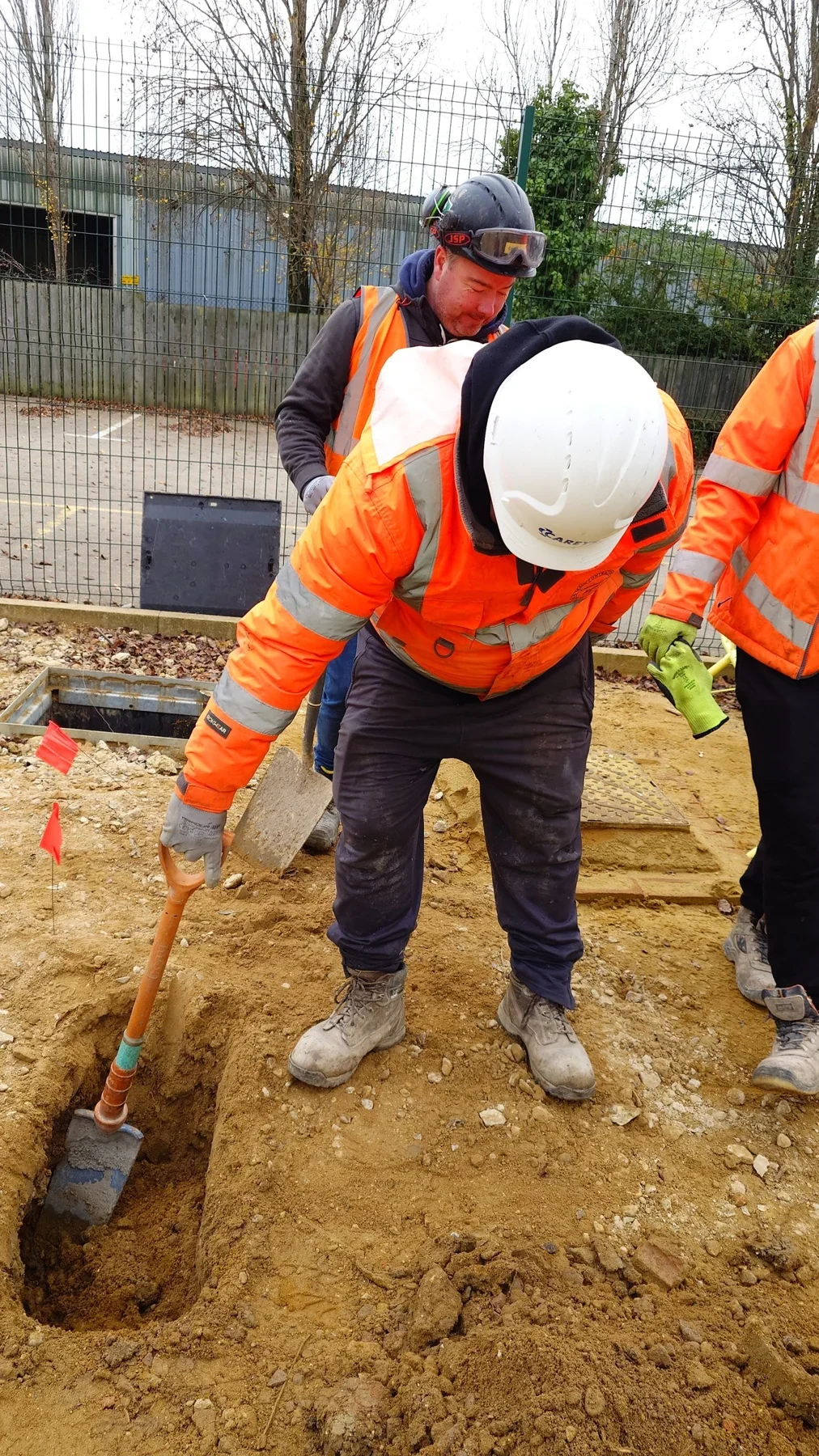
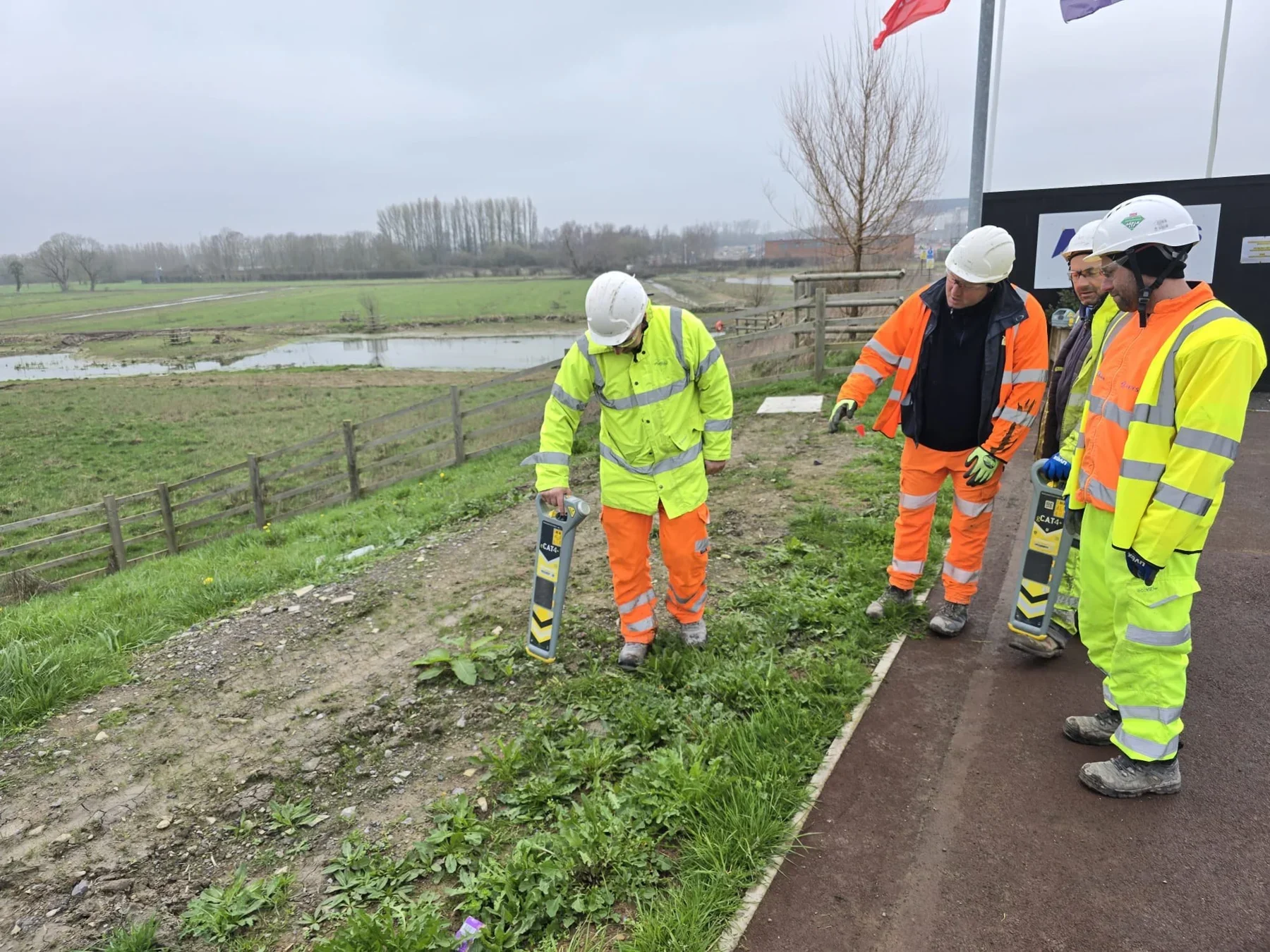
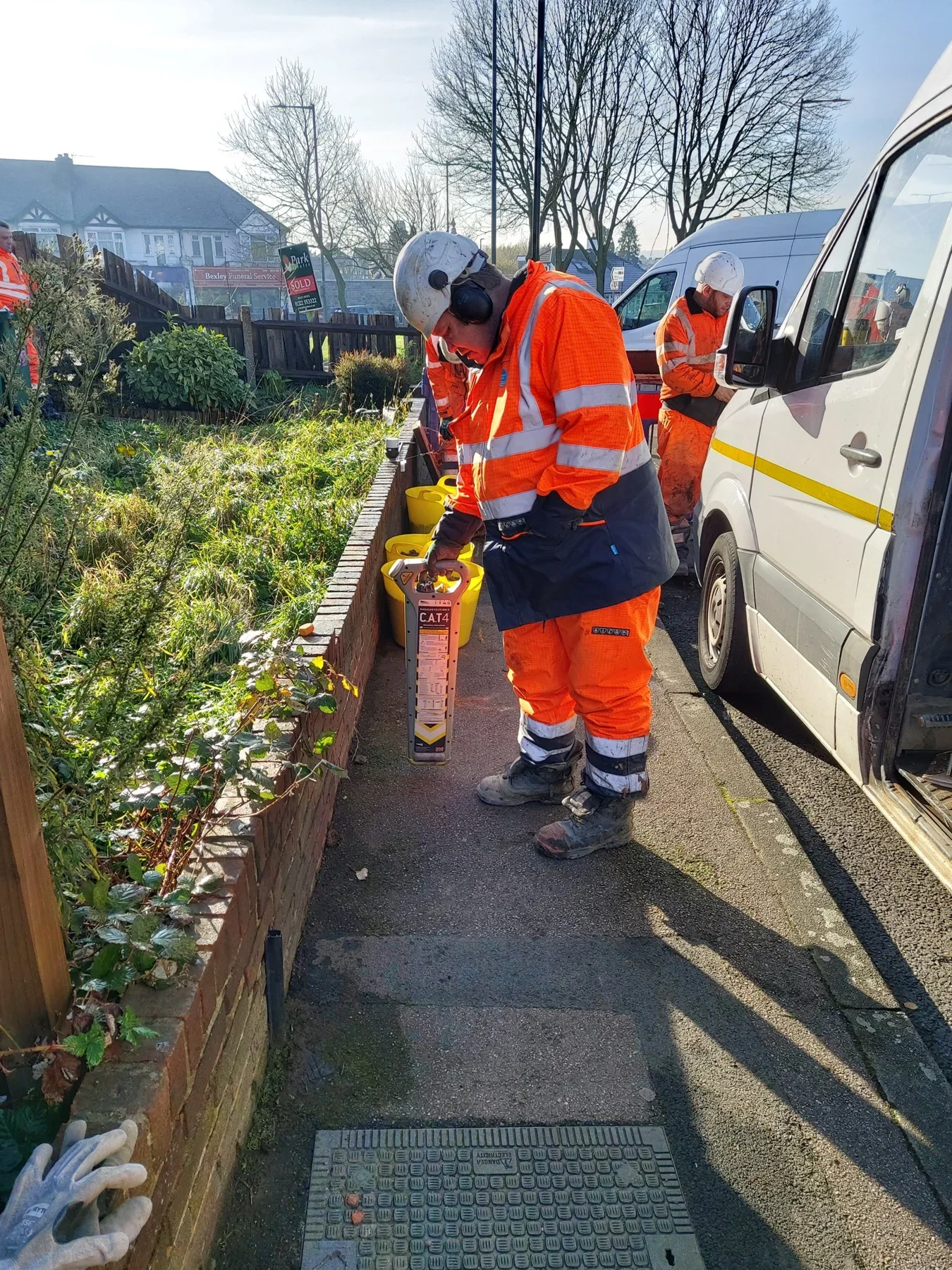
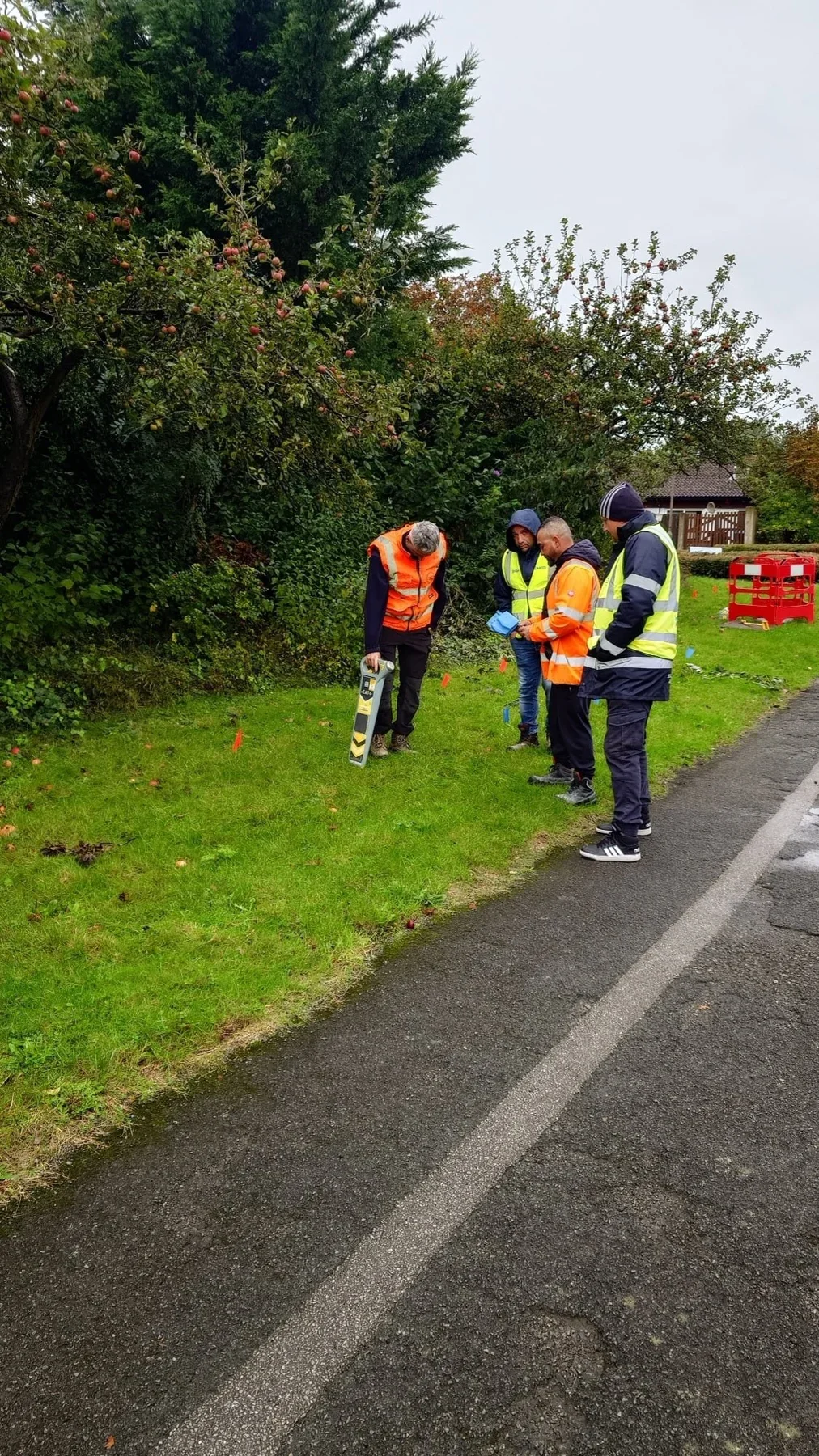
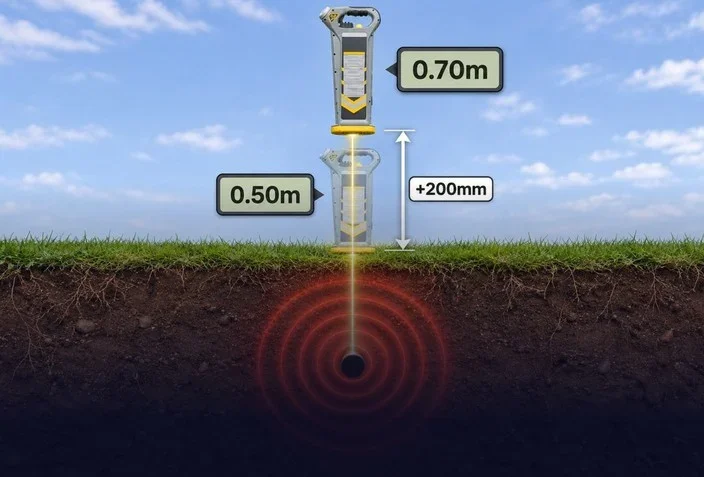
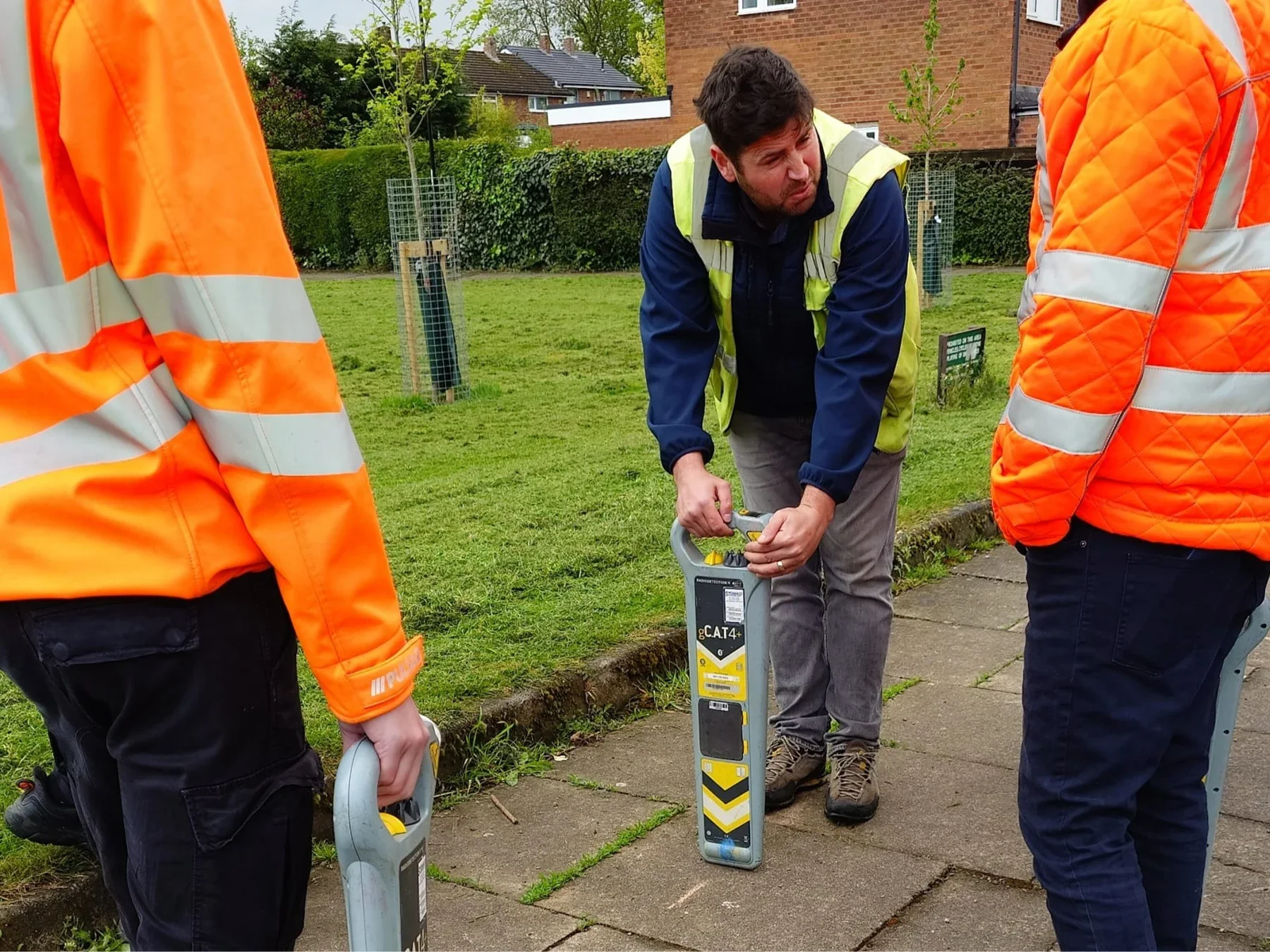
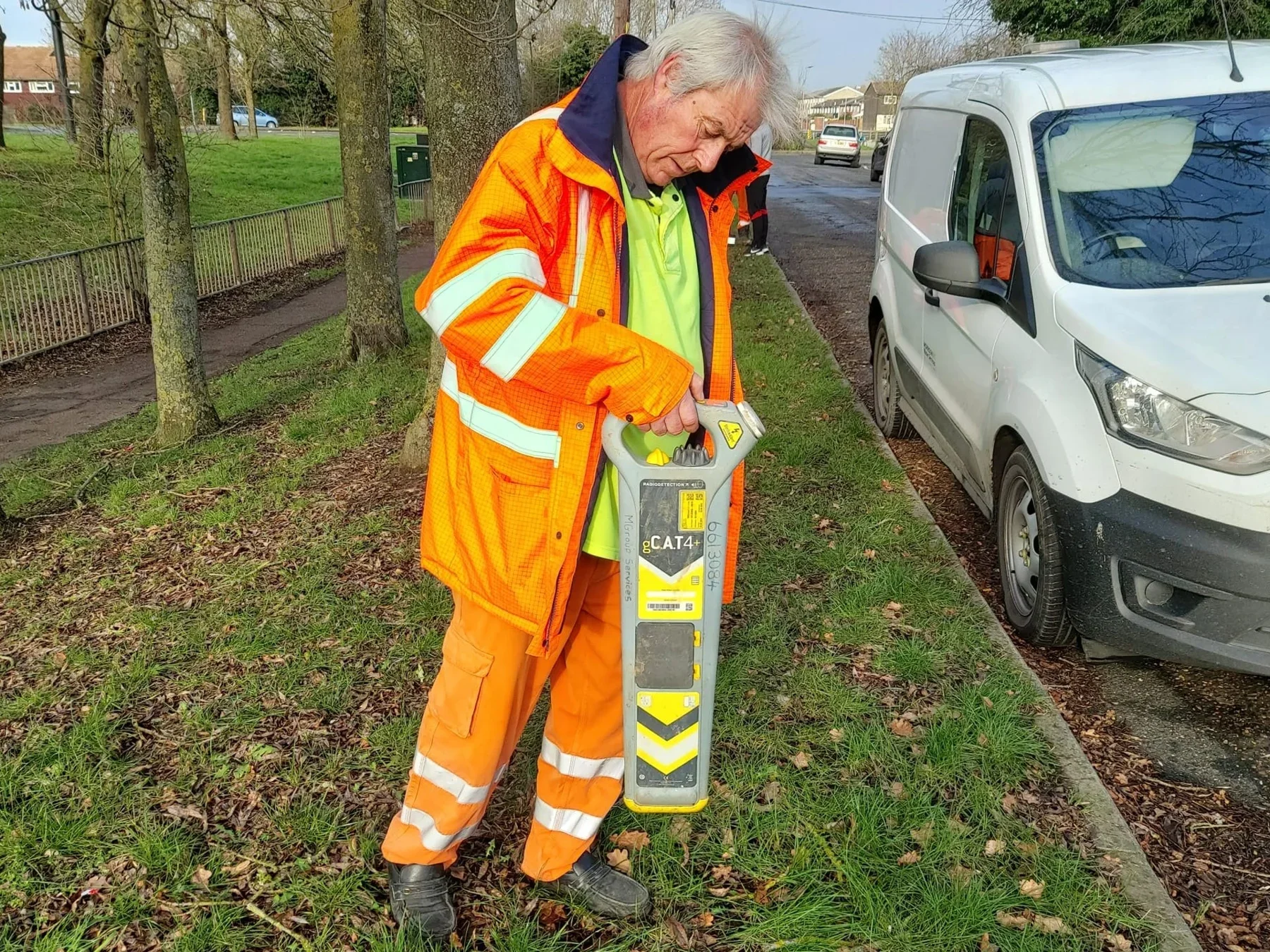
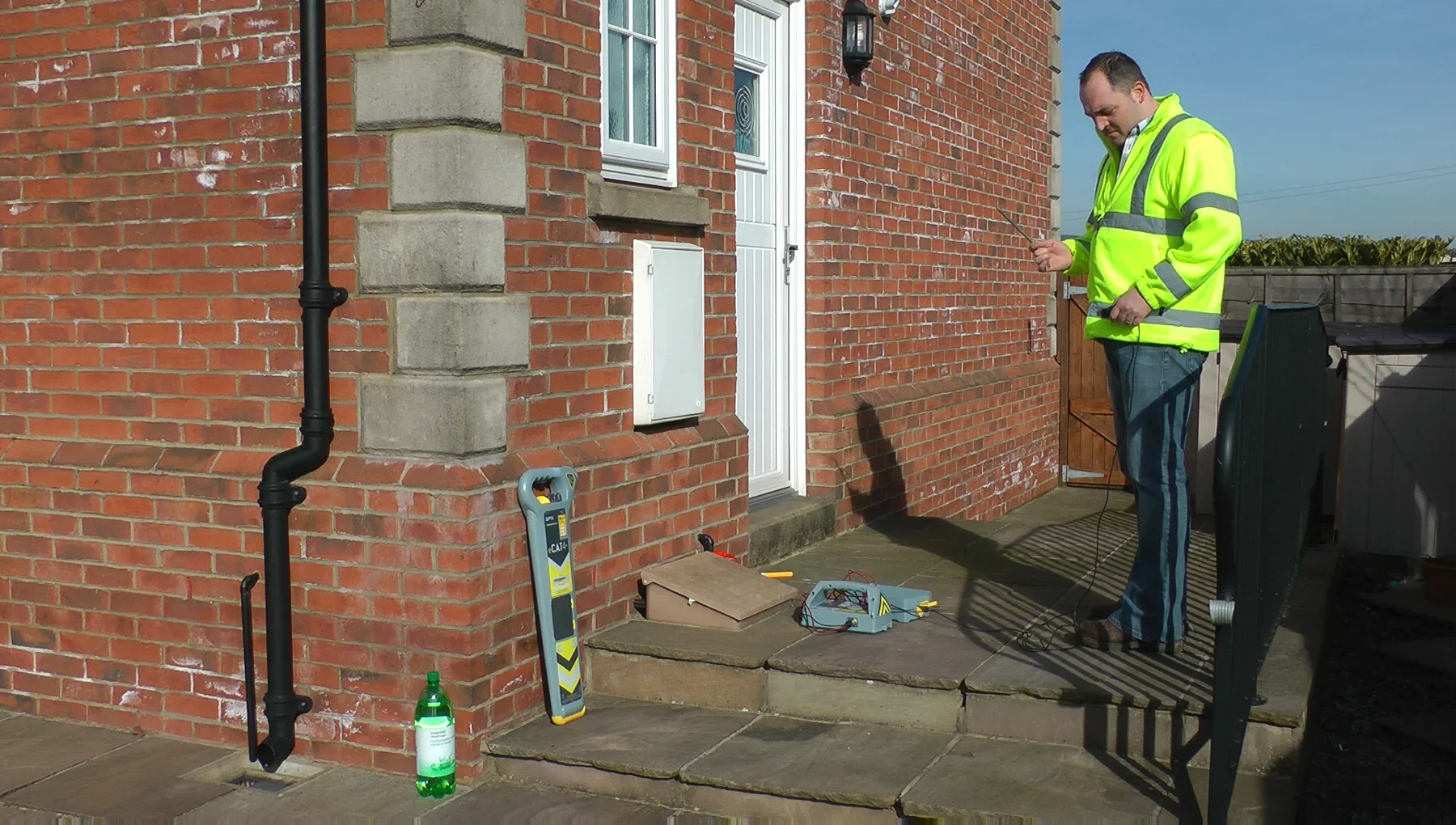
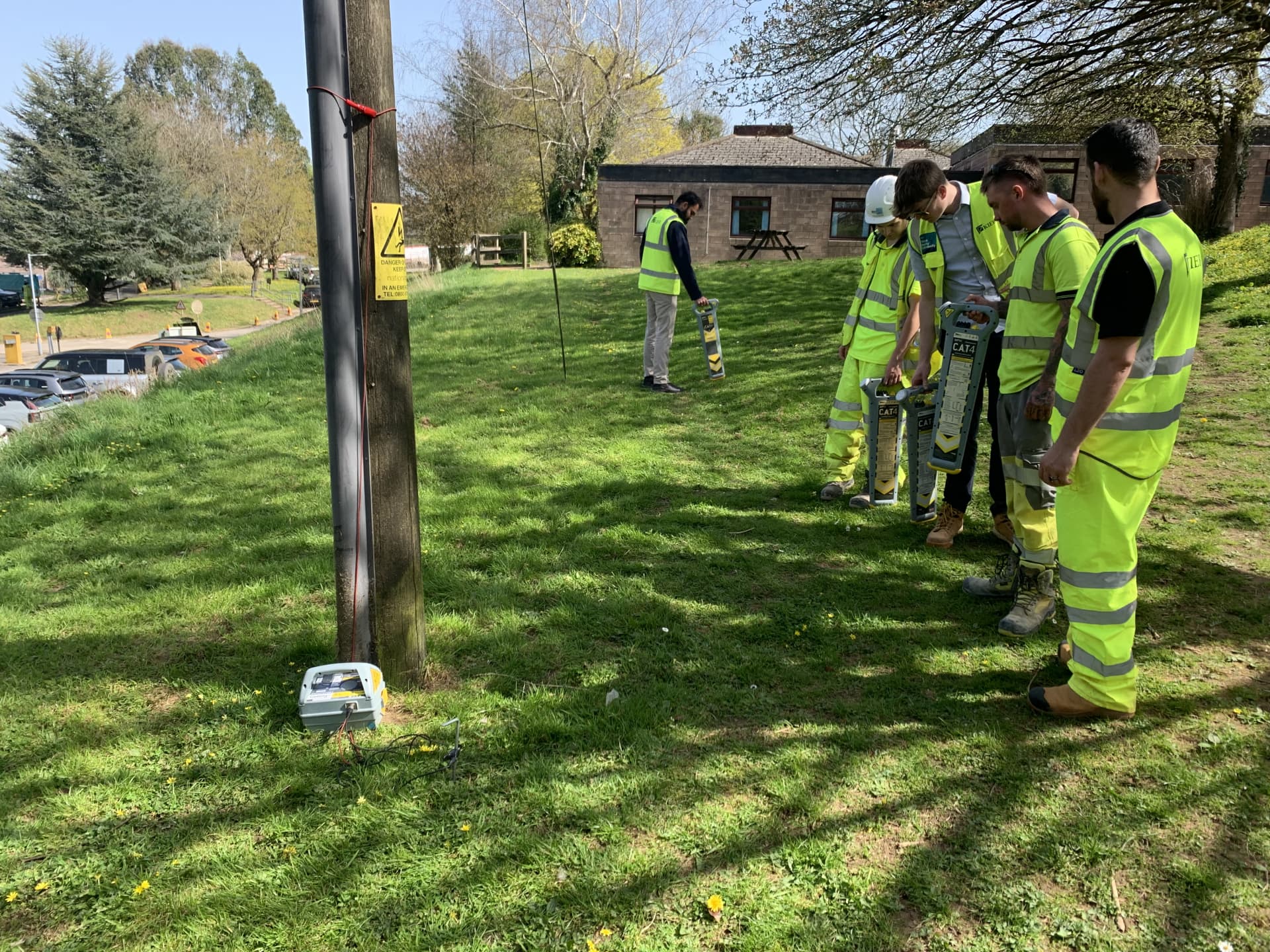
The signal generator (Genny) and cable locator (CAT), used to find buried services before anyone digs. The course covers how the kit works, the electromagnetic theory behind it, all four detection modes and a practical site assessment, using approved detection methods. It teaches the Genny-First methodology, which measurably reduces service strikes, and how to use the Genny well as part of every search.
Available as EUSR Category 1, ProQual CAT1, or Sygma in-house course certification. CITB Approved course delivery.
View EUSR CAT and Genny Training →Cable Avoidance Training
Safe excavation procedures and underground risk control
The full safe-dig procedure: utility drawings, planning ahead, permits to dig, finding buried services from survey records, safe practice, and locating services to control the risk before anyone breaks ground. It follows national occupational standards for safety professionals.
CITB Approved course. Delivered at your premises with your plans and your risk profile. Routes to EUSR Category 1 registration.
View CAT and Genny Training →Not sure which course? If your team needs to use a CAT and Genny on site, the right course is CAT and Genny Training, which many clients know as cable avoidance training.
What HSG47 Requires, and How the Training Meets It
HSG47 sets out what should happen before, during and after excavation, in four areas, and it expects the people doing the work to be trained and assessed as competent. Each course Sygma delivers is built around those four areas.
Planning the work
HSG47 expects up-to-date plans from every relevant asset owner before ground is broken, put together into one picture of what is below. The course covers getting and reading utility drawings, matching records from different owners, and spotting where plans cannot be trusted.
Locating services
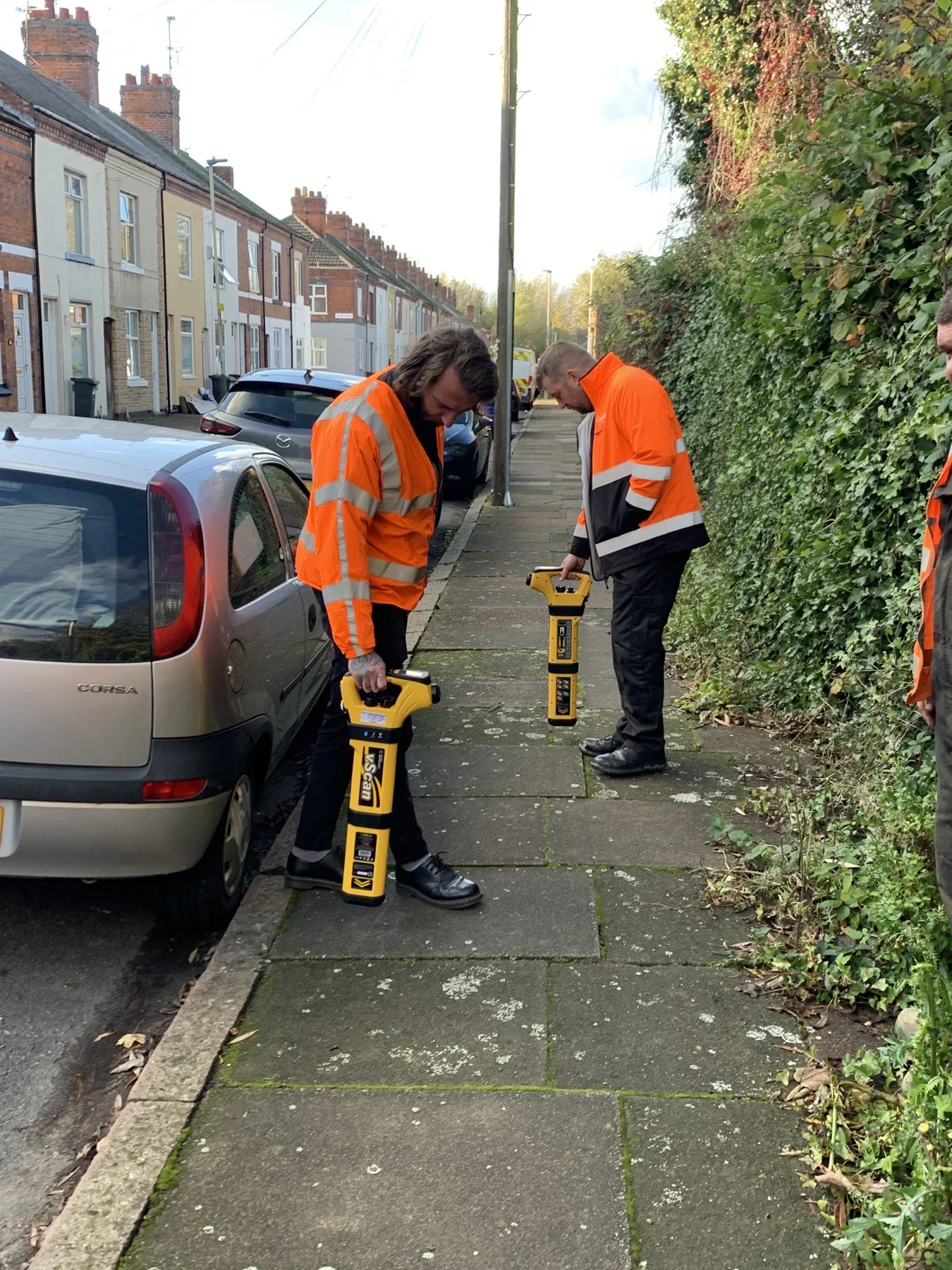
HSG47 is clear that plans alone are not enough and that locating equipment should be used on site. It names the Genny and CAT, and it expects active detection, not passive detection alone. The course covers all four detection modes, applying the signal, reading the signal and estimating depth, all taught Genny-First.
Safe digging practices
Once services are found and marked, HSG47 sets out how digging should go: hand digging within defined safe zones, the right use of machines, and different precautions for electricity, gas, water and telecoms. The course covers the full safe-dig sequence and the permit process around it.
Competence
HSG47 expects anyone using cable and pipe locating equipment to be trained and assessed as competent, and expects duty holders to be able to evidence it. Each route below carries a formal assessment and a dated certificate, which is what a principal contractor's permit system asks to see.

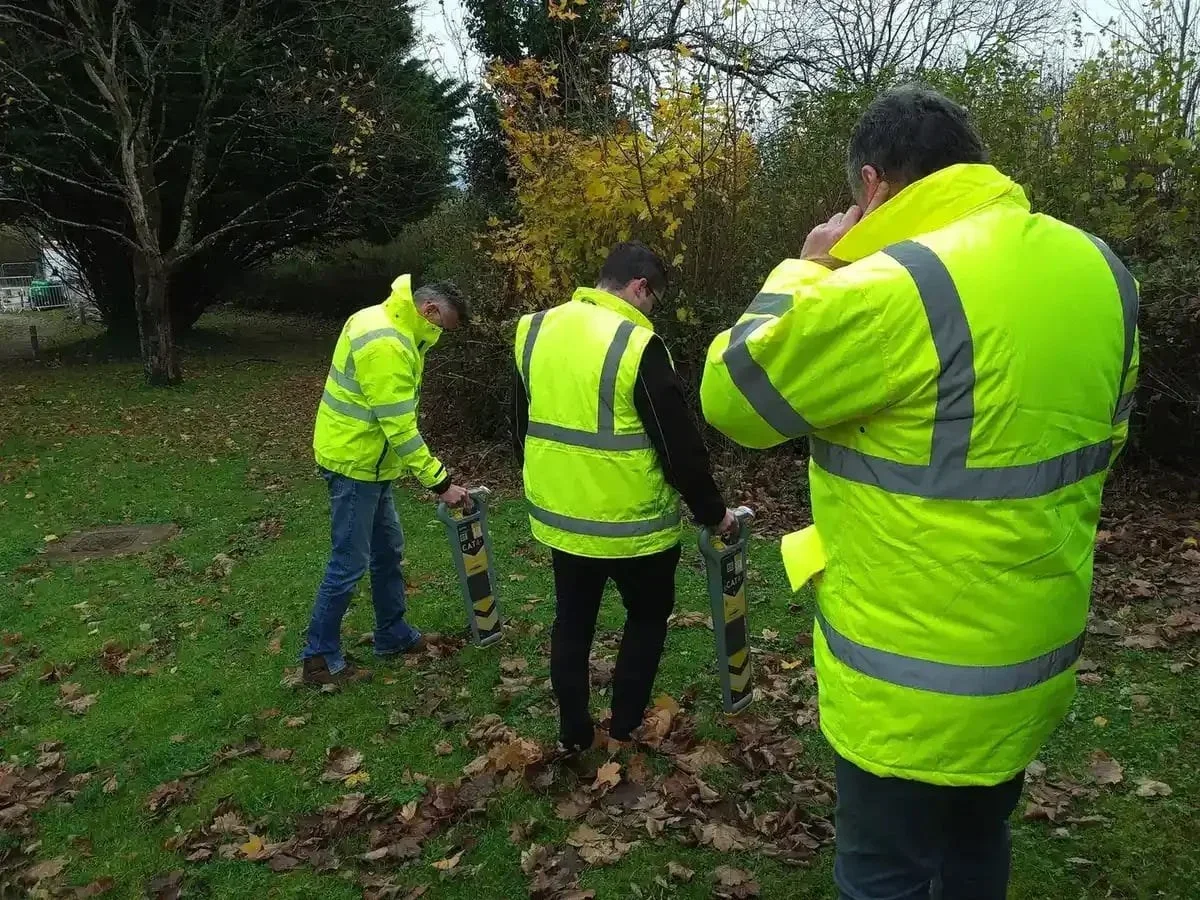
HSG47 Training Accreditation Routes
EUSR Category 1 Locate Utility Services
The EUSR Category 1 course (formally Utility Excavations Category 1 Locate Utility Services) is the most widely accepted way to show you meet HSG47. It is delivered under national occupational standards. EUSR registration follows successful completion, and the EUSR card lasts three years before it expires. It is recognised across UK construction, utilities, highways, HV substations and National Grid work. Most principal contractors require the card for work near HV substations or buried HV cables. The course runs as a one-day or two-day in-house course on a date that suits your team, and open course dates are also available.
ProQual CAT1 Course
ProQual CAT1 is an externally accredited course. A formal practical assessment covers all four EML detection modes and hands-on use of the Genny and CAT. The two-day ProQual CAT1 Plus route includes the Genny-First methodology in its assessment criteria, a standard Sygma helped develop. The certificate lasts three years and is renewed by sitting the assessment again. Book and ask for dates through the contact form.
CITB Approved Course Provider
Sygma is a CITB Approved Training Organisation, and every course meets CITB ATO standards. Employers who pay the CITB levy may be able to get funding through the CITB Employer Network. Sygma provides every document a funding claim needs, including EUSR registration confirmations and course completion dates for audit.
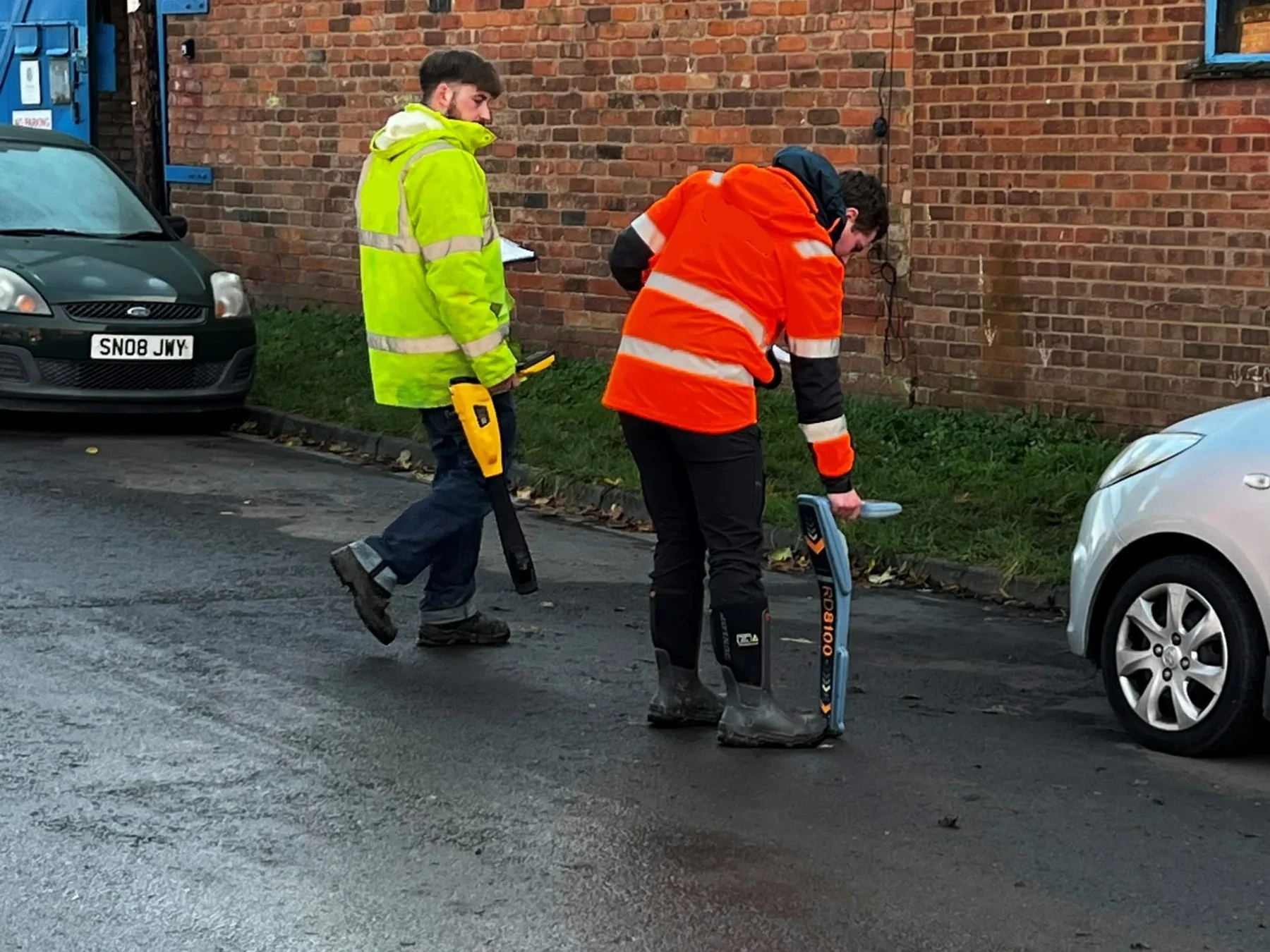
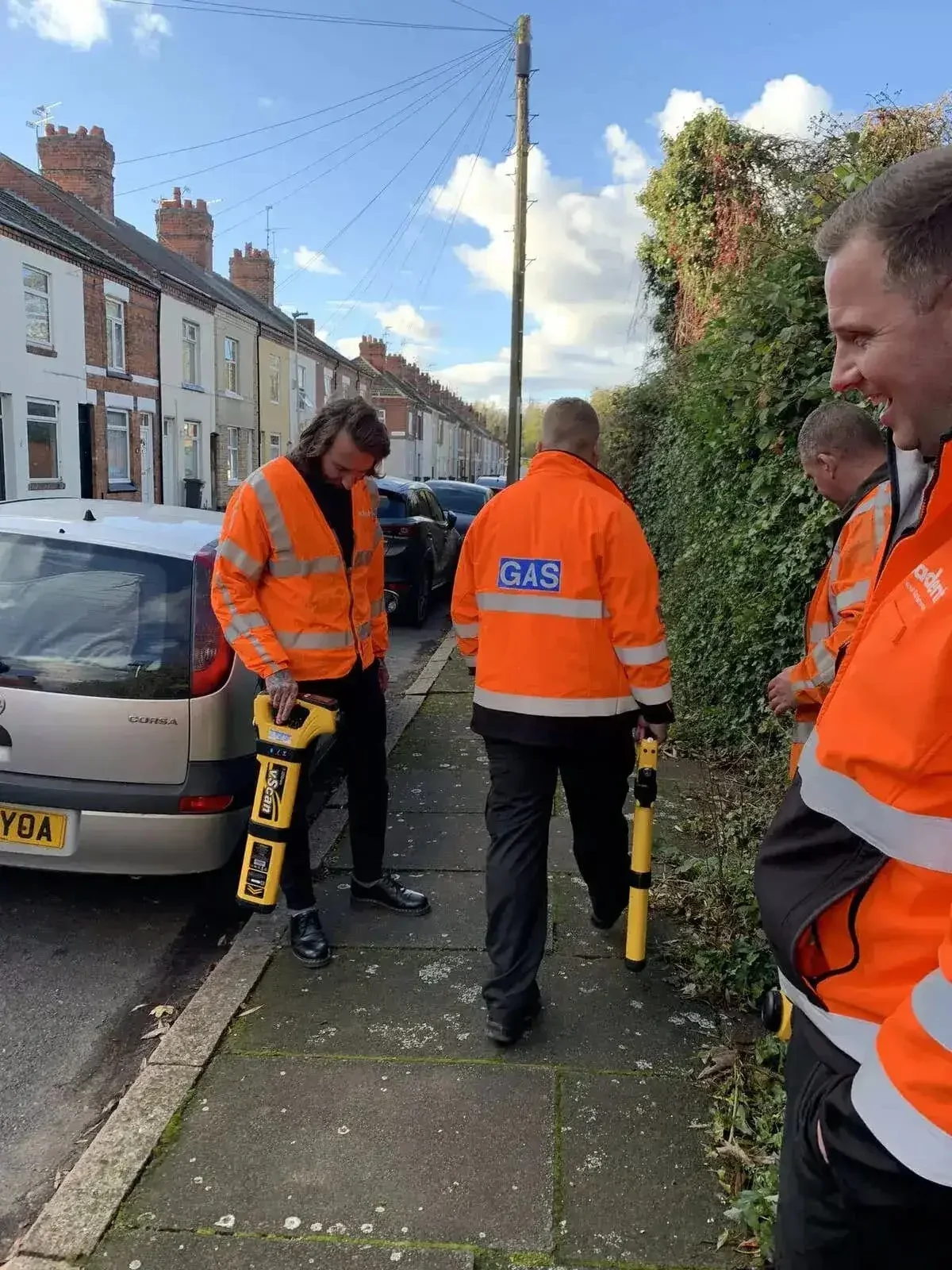

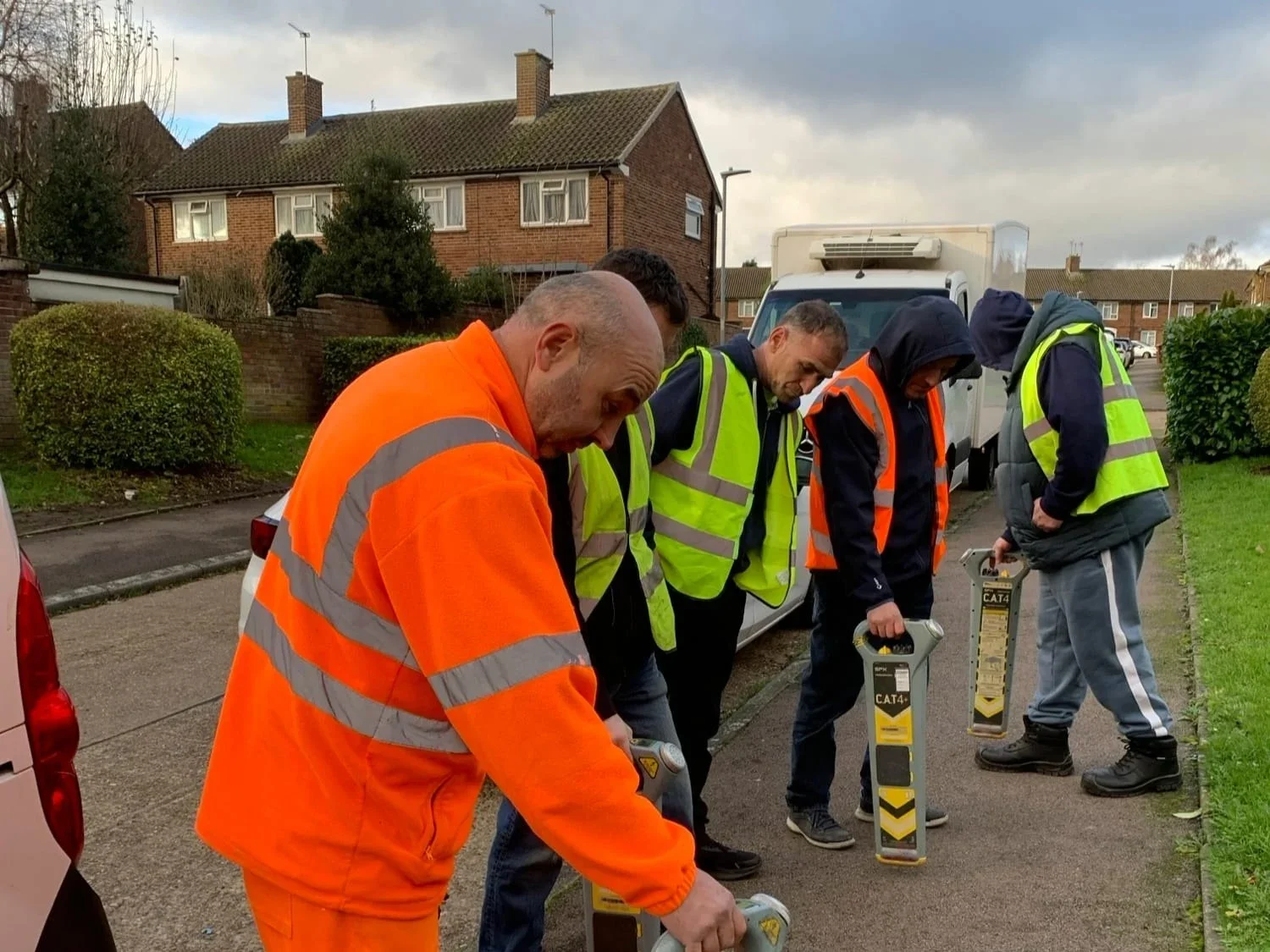
The EUSR Category 1 Course Route
The EUSR Category 1 course (full title Utility Excavations Category 1 Locate Utility Services) is the main route to show you meet HSG47. It is delivered under national occupational standards, and passing the assessment leads to EUSR registration and the EUSR Category 1 card. The card lasts three years, and its expiry date is printed on it, counted from the registration date.
The course follows the order of a real job: planning from utility drawings, using the signal generator and cable locator, all four detection modes, the Genny-First methodology, and the safe-dig sequence that follows. Each delegate is assessed against EUSR national occupational standards. Registration is made on the day the course is completed, and the card carries the formal name Category 1 Locate Utility Services.
In-house EUSR Category 1 course dates available on request — pick a date that suits, up to 8 delegates per course at your premises, travel and EUSR registration included. Open course dates also available at the Wigan course centre. The locate utility services hsg47 syllabus is identical across in-house and open delivery — same assessment, same EUSR Category 1 card. Full details and dates are on our EUSR CAT 1 training page.
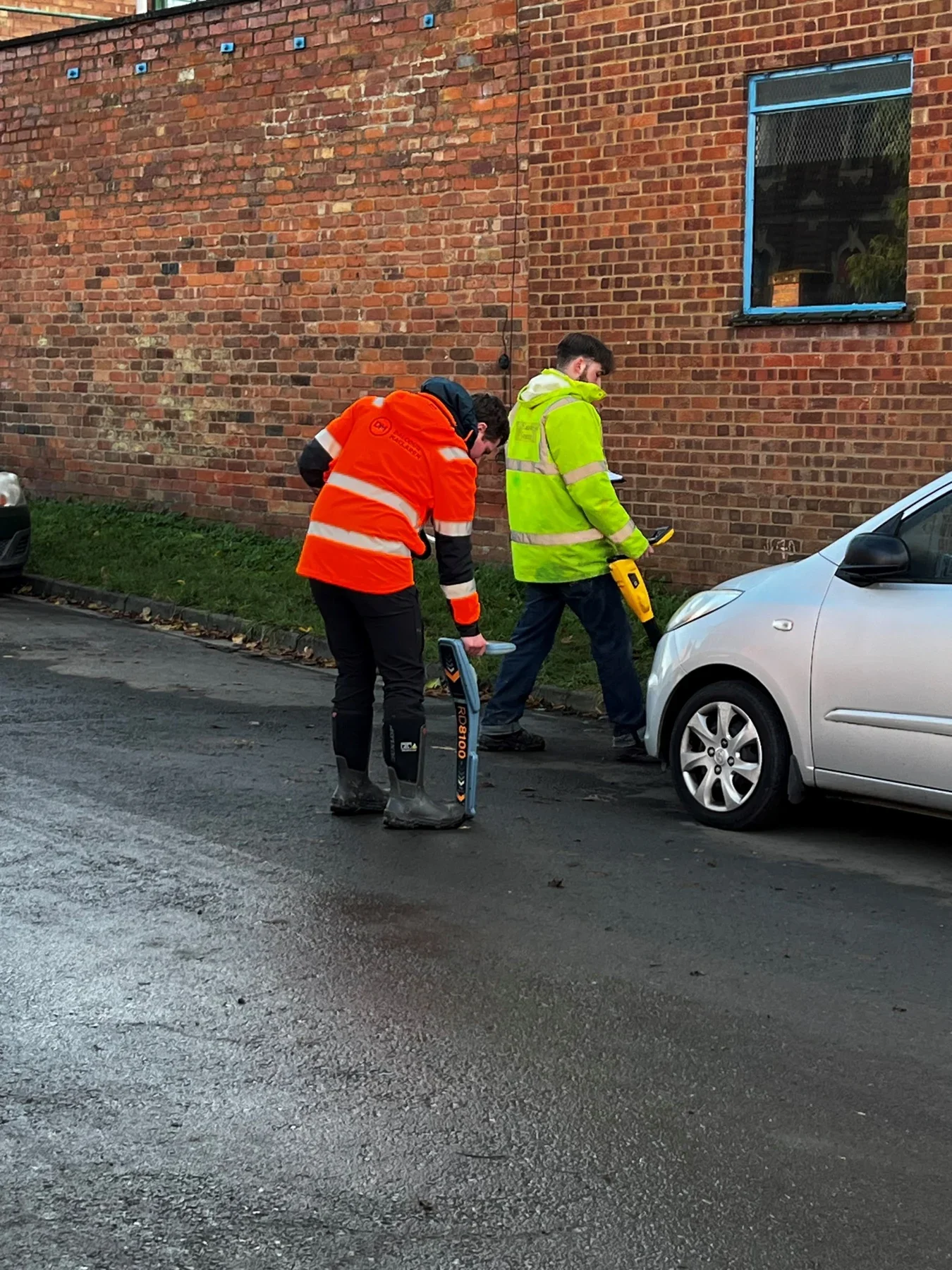
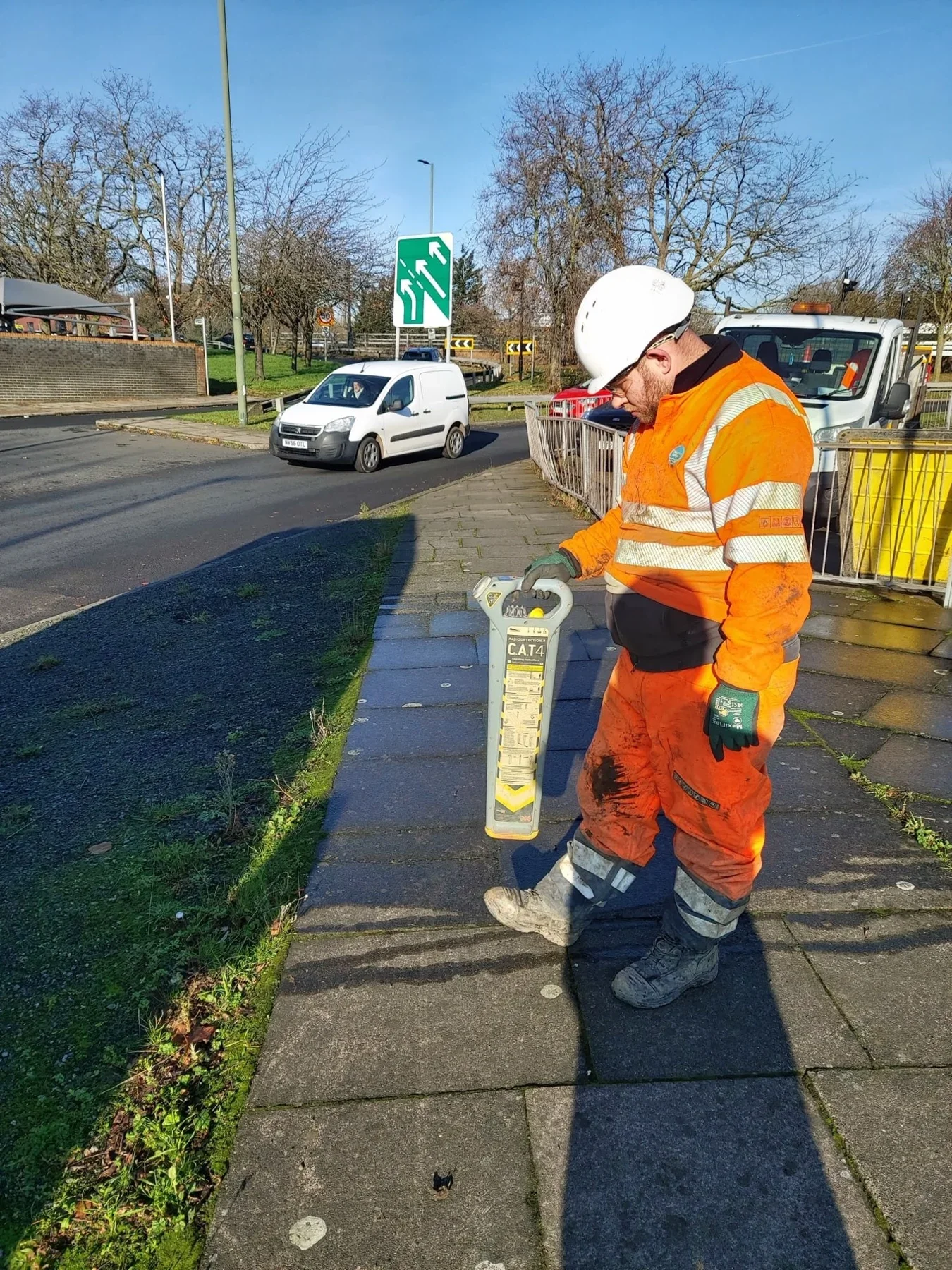

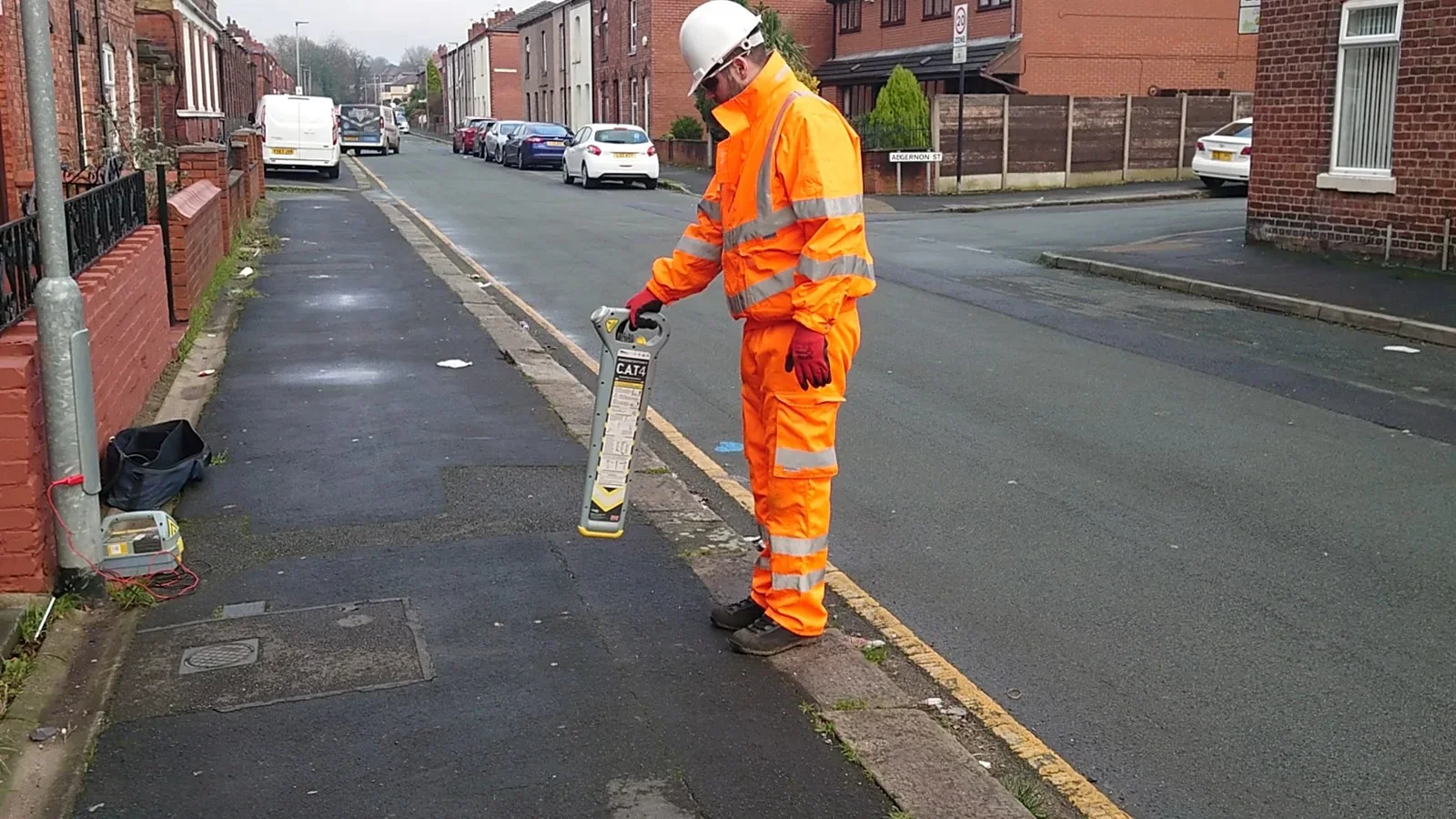
UK-Wide HSG47 Training Delivery
Course delivery at client premises across the UK. Common delivery regions:
- ›London and the South East
- ›Manchester and the North West
- ›Birmingham and the Midlands
- ›Bristol and the South West
- ›Leeds, Sheffield and Yorkshire
- ›Scotland and Northern Ireland
- ›Northern England and the North East
Travel is included, with no hidden extras. Sygma’s training centre in Wigan can be used instead at no extra cost, and open course dates run there too.
Near Me
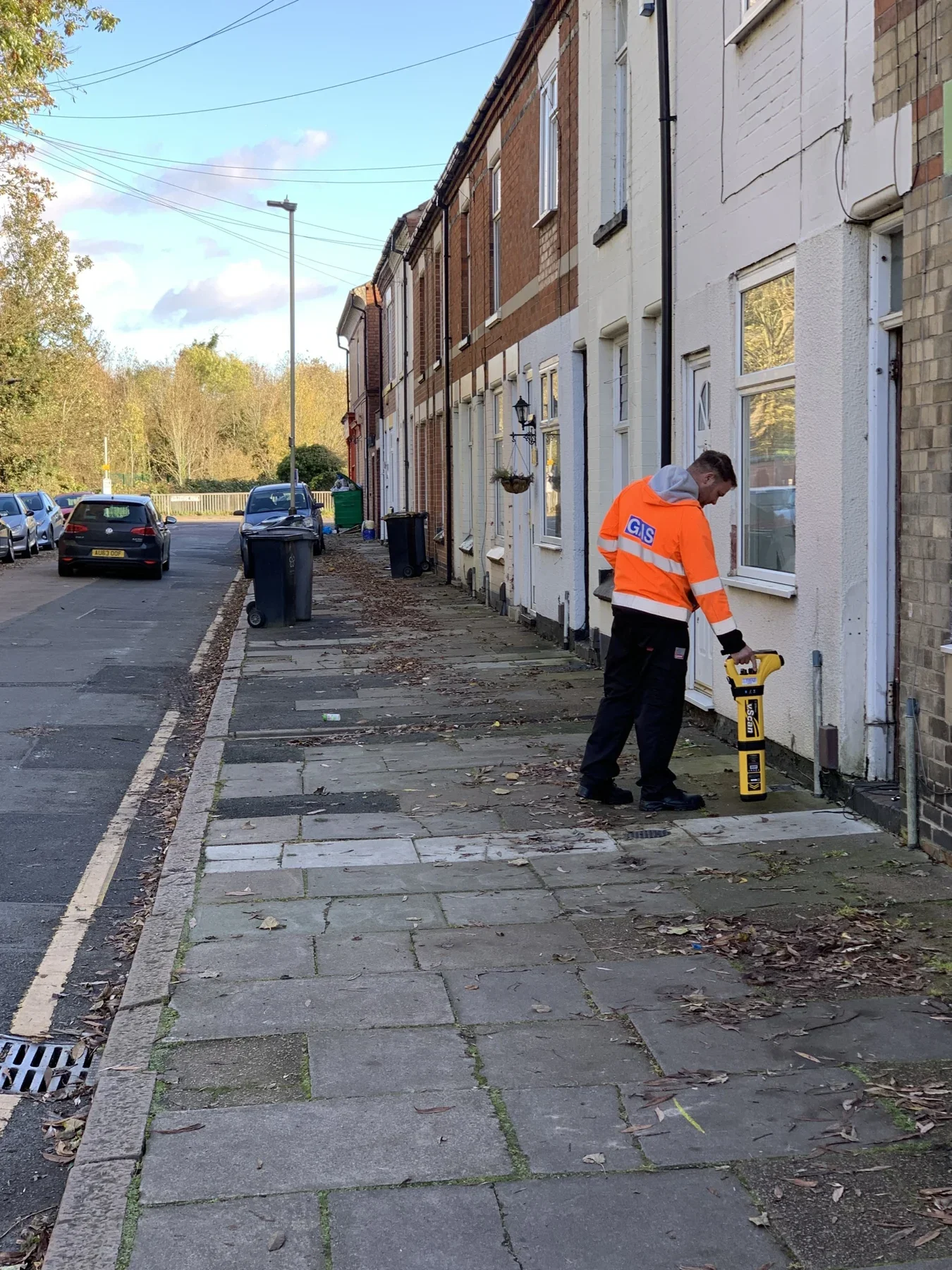
We come to you. Course delivery at your premises — no travel for delegates, training on the real utility services they actually work near, and course content tailored to your company’s permits and procedures.
CITB Funding
Sygma is a CITB Approved Training Organisation. Employers who pay the CITB levy may be able to get funding through the CITB Employer Network, and Sygma provides every document the claim needs.
Frequently Asked Questions
Is HSG47 training a legal requirement?
Not in the strict sense — HSG47 is HSE guidance, not legislation. The Health and Safety at Work Act 1974 and the Management of Health and Safety at Work Regulations 1999 require employers to ensure workers are trained and competent for the work they carry out. As HSG47 is the recognised industry standard for safe excavation near utility services, not providing this course creates a significant duty of care exposure. Most principal contractors and utility companies require evidence of an EUSR Category 1 or ProQual CAT1 course before allowing operatives to dig.
What is HSG47 training?
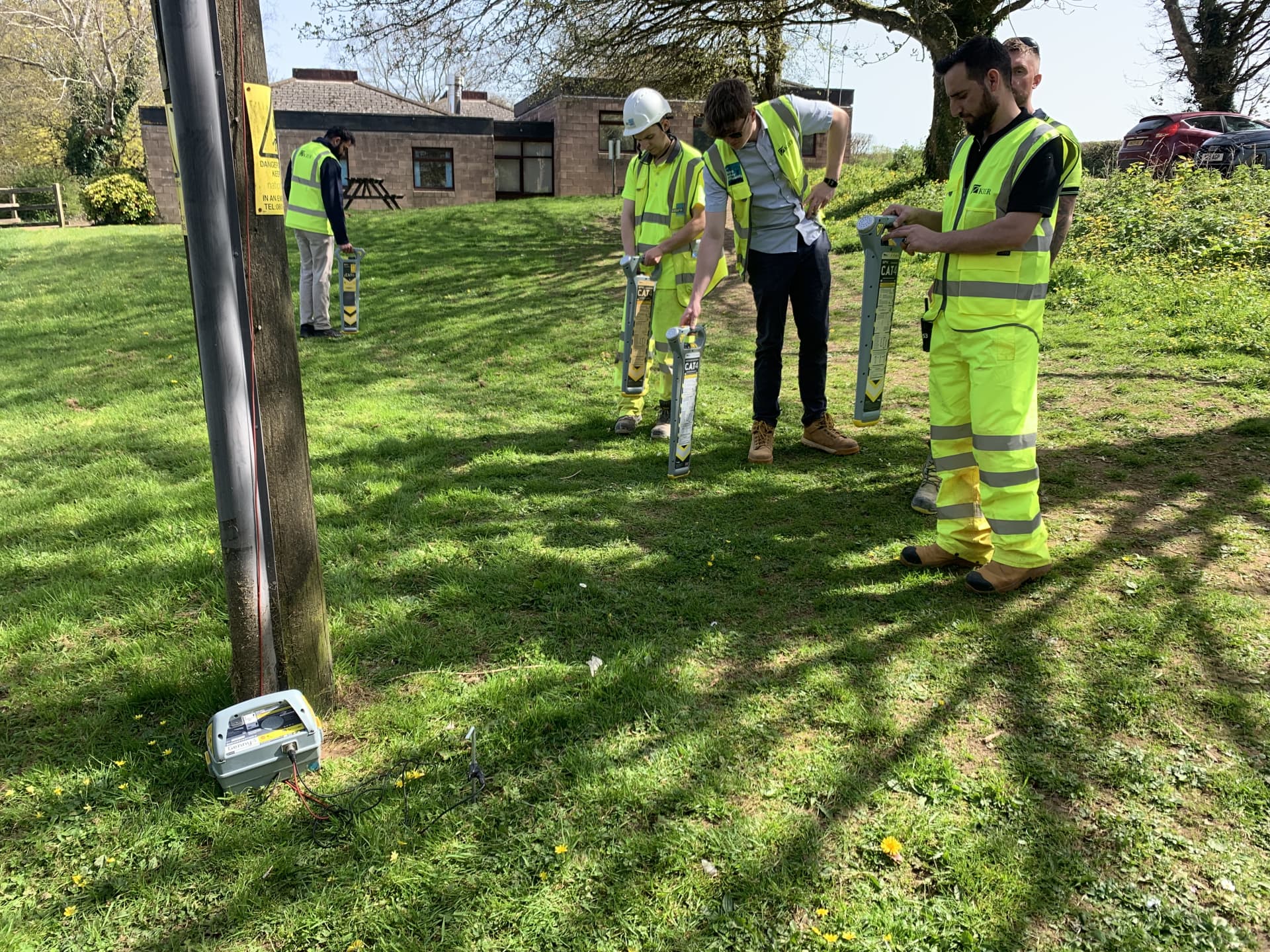
The collective term for any course meeting the competence requirements of the HSE guidance document 'HSG47: Avoiding Danger from Underground Services.' Covers cable avoidance tools used to locate utility services HSG47 standard before excavations begin, safe working procedures near buried utilities, and the duty holder obligations under national occupational standards. In practice this means a course fulfilling the HSG47 competence standard — typically the EUSR Category 1 course (formally Utility Excavations Category 1 Locate Utility Services), ProQual CAT1, or an equivalent assessed course from a CITB Approved Training Organisation.
How long is the course?
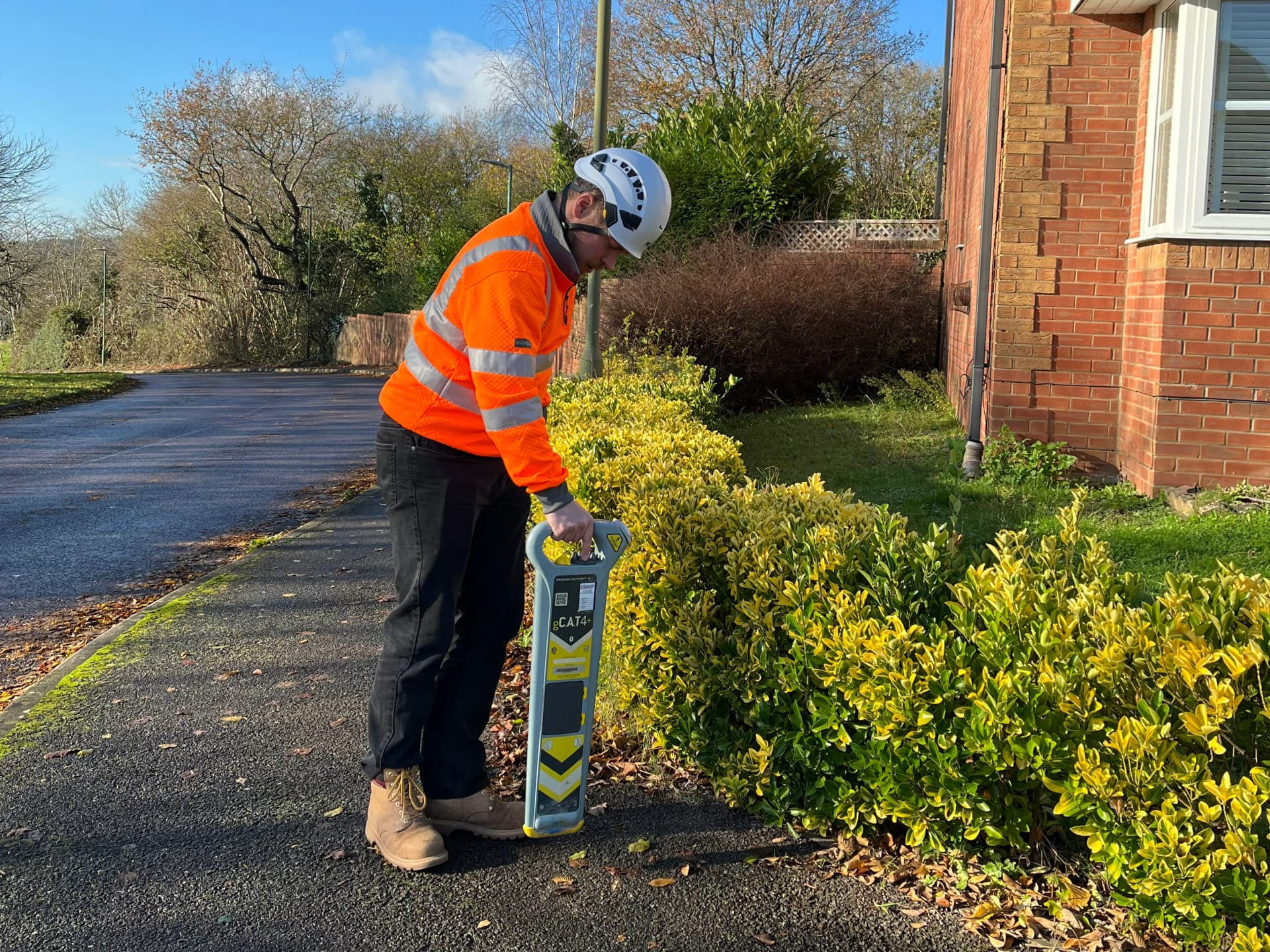
One or two days, depending on format and accreditation route. The one-day course covers theory plus the written and practical assessment required. Two-day course formats add depth to the practical element or incorporate a second accreditation assessment. EUSR Category 1 and ProQual CAT1 are one-day courses; ProQual CAT1 Plus and the two-day in-house format run over two days. For complete beginners, the two-day course is recommended. Course dates available to suit your team — registration via the contact form.
What certificate do you get from the course?
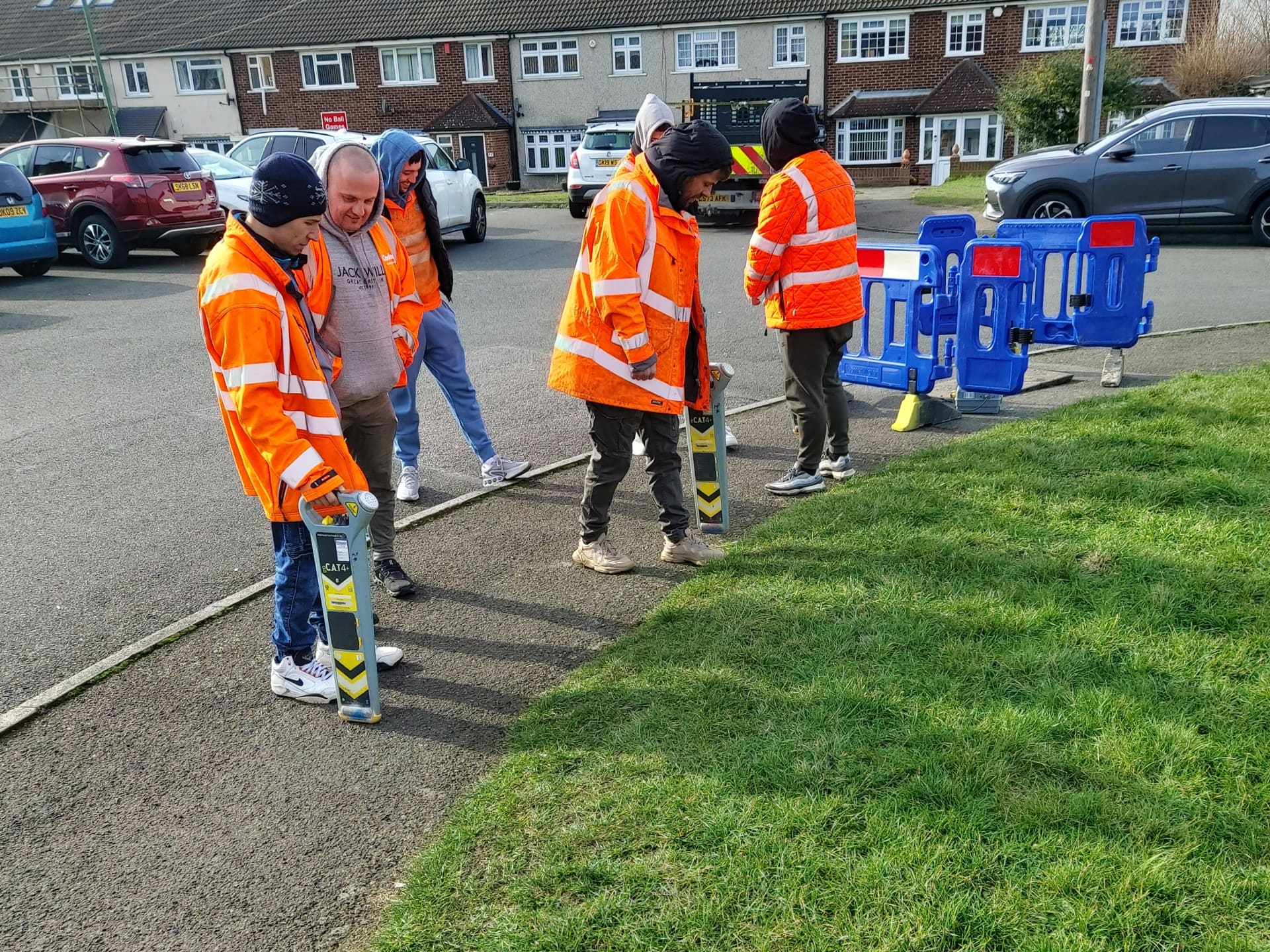
Delegates receive the EUSR Category 1 card — formally the Utility Excavations Category 1 Locate Utility Services qualification — on the most widely recognised accreditation route. Issued by the Energy and Utility Skills Register following course completion and EUSR registration, valid for three years (expiry date printed on the card), recognised across UK construction, utilities, HV substations and highways sectors. ProQual CAT1 is an alternative accredited course that produces a three-year assessed certificate with its own expiry date. Sygma also issues an in-house certificate of completion for companies that do not require an awarding body card. All certificates are backed by written and practical assessment records.
How much does the course cost?
Open courses at our Wigan centre are from £121 per delegate. On site, it is one fixed price for your group of up to 8 delegates at your premises, travel included, with no hidden extras: contact us for a quote. Certificate fees (EUSR £34, ProQual £35) are charged per person on top of the course fee. CITB-levy employers may access funding via the CITB Employer Network.
Does the certificate need to be renewed?
Yes. EUSR Category 1 and ProQual CAT1 certificates expire after three years and must be renewed before the expiry date. Most principal contractors and utility companies will not permit delegates on site once a certificate has lapsed. Renewal involves a refresher course and reassessment, then EUSR registration is updated and a new card issued with a fresh expiry date. Sygma recommends booking renewal in the three months before your current registration ends.
Related Reading
Permit to Dig, Trial Holes and Exclusion Zones
The whole excavation sequence: the permit to break ground, the detection survey, then exclusion zones and safe digging.
Genny-First Methodology
Why applying the signal generator first increases buried utility detection rates.
Strike Prevention for Site Managers
Practical guidance for managing excavation risk near utility services.
EUSR Cat1 vs ProQual CAT1
Side-by-side comparison of the two main accreditation routes.