Utility Avoidance
ProQual CAT2 Safe Dig: The Safe Excavation Course Mapped to HSG47
24 theory criteria. Four practical assessment stages. The most thorough safe dig qualification in the utility avoidance sector.
Qualification
ProQual Accreditations
Duration
1 Day
Pass Standard
Criteria-based (T1-T24 + P1-P4)
Max Delegates
8 per session
Pricing
Per course, not per person
Who Is This Course For
Designed For
Site Operatives Responsible for Excavation
Anyone physically digging around buried services who needs ProQual-accredited competency
Organisations Requiring ProQual Safe Dig
Companies whose frameworks mandate ProQual accreditation for safe excavation
Supervisors Overseeing Dig Operations
Those accountable for ensuring safe digging practice on site
Anyone Combining with ProQual CAT1
Delegates building a complete ProQual-accredited utility avoidance framework
What Is ProQual CAT2 Safe Dig?
The ProQual Route to Safe Excavation
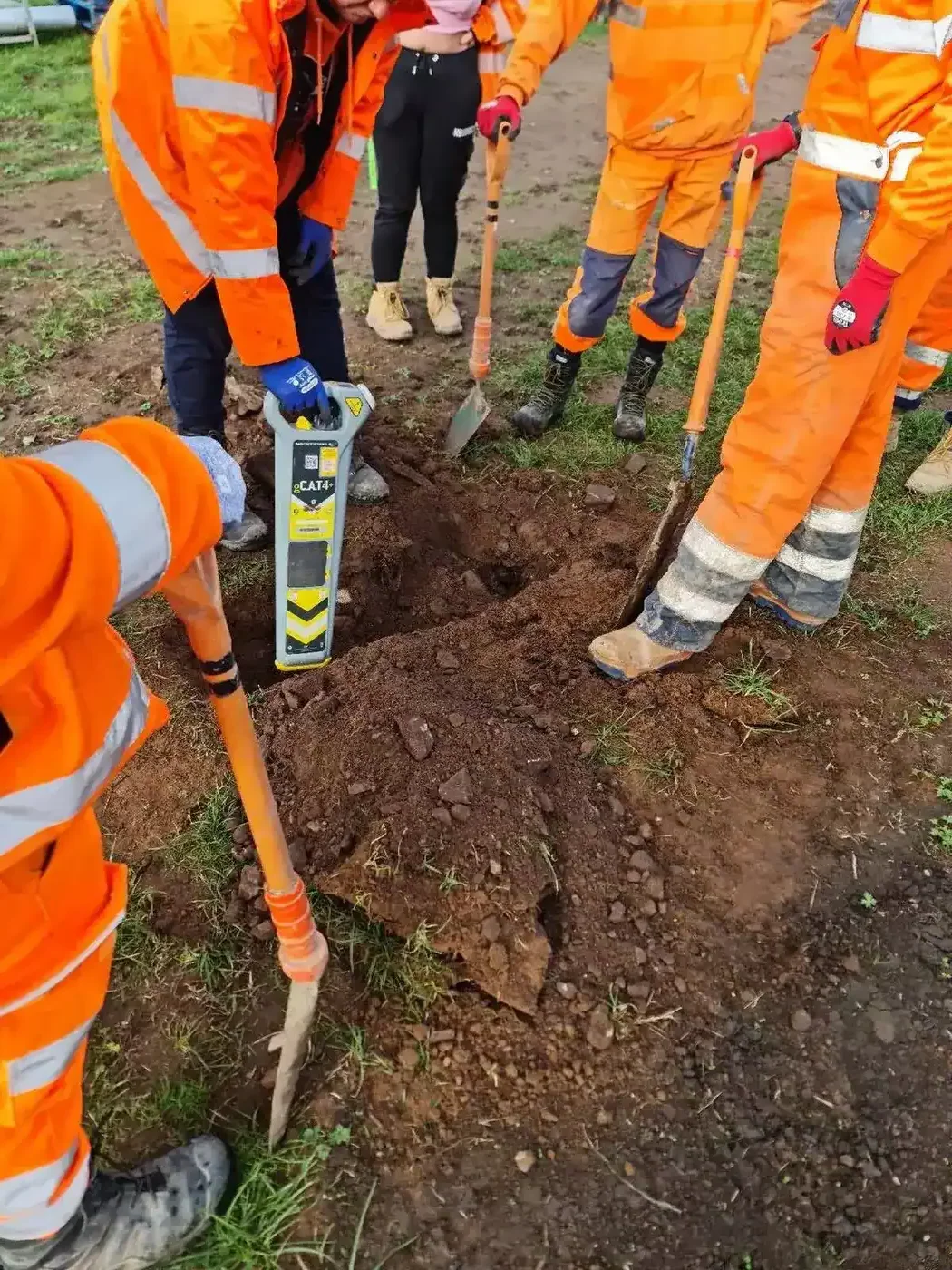
ProQual CAT2 Safe Dig is the ProQual Accreditations qualification for operatives who plan, prepare for, and carry out excavation work in the presence of buried utilities. It is assessed to the ProQual CAT2 Criteria Framework, which specifies 24 individual theory criteria (T1-T24) and four practical assessment stages with 15 individual criteria (P1.1-P4.3).
This is not a tick-box course. Every criterion within the T1-T24 theory framework and each of the P1-P4 practical stages is assessed independently. There is no averaging. Every delegate who earns this qualification has demonstrated competence across the full scope of safe excavation practice.
ProQual CAT2 is the qualification of choice for organisations that require ProQual Accreditations on their competency frameworks, for contractors whose clients specify ProQual as the standard, and for operatives who want a qualification that maps directly to the HSG47 and GS6 requirements.
Course at a Glance
Theory Assessment
24 Theory Criteria (T1-T24)
Every delegate is assessed against all 24 theory criteria. These map directly to five knowledge learning outcomes and are assessed through the classroom theory session and written assessment. Each criterion is assessed independently.
| Ref | Criteria Description |
|---|---|
| T1 | General: health, safety and environment responsibilities and HSG47/GS6 |
| T2 | Safe system of works in accordance with HSG47 |
| T3 | Location and detection: interpreting utility drawings and PAS128 |
| T4 | Methods to visually locate and identify underground services |
| T5 | Hazards associated with different services and consequences of damage |
| T6 | Individuals or organisations to notify for inaccurate plans or damage |
| T7 | Roles and responsibilities within the site or highway operations team |
| T8 | Importance of continued sweeping with service location equipment during excavation |
| T9 | Importance of reporting deviations in service position and identification of other structures |
| T10 | Typical physical properties and features of underground services including pipe sizes, colour, materials, fragility and marking methods |
| T11 | How to maintain the integrity of underground services |
| T12 | Methods and types of equipment used for excavation including hand tools, handheld power tools, reduced-dig technology and mechanical equipment |
| T13 | Types of surfaces, sub-surfaces and soil types encountered during excavation work |
| T14 | Actions to take when services are encased in or supported by concrete |
| T15 | Importance of keeping gullies, water courses and surface water outlets clear |
| T16 | Care and maintenance of hand and handheld power tools |
| T17 | Hazards and risks of incorrect excavation practices |
| T18 | Potential consequences of incorrect digging practices such as oversizing |
| T19 | Recognising the potential inconvenience of excavations to the public and those with visual or mobility impairment |
| T20 | Hazards and risks associated with ground conditions, soil types and water ingress |
| T21 | When ground support should be used and the consequences if appropriate support is not used or used incorrectly |
| T22 | Need for natural or assisted ventilation and lighting, and hazards created by inadequate provision |
| T23 | Removal, segregation and correct storage of excavated materials to protect the environment |
| T24 | Dealing with a flooded excavation to remove water in accordance with statutory requirements and permitted procedures |
What You Get
At the End of This Course
ProQual CAT2 Certificate
Independently assessed safe excavation qualification accredited by ProQual Accreditations
Personalised Training Record
Detailed breakdown of all theory and practical criteria assessed
Practical Assessment Evidence
Documented evidence of safe digging competency
Ongoing Support
Access to Sygma trainers for post-course questions and refresher guidance
Practical Assessment
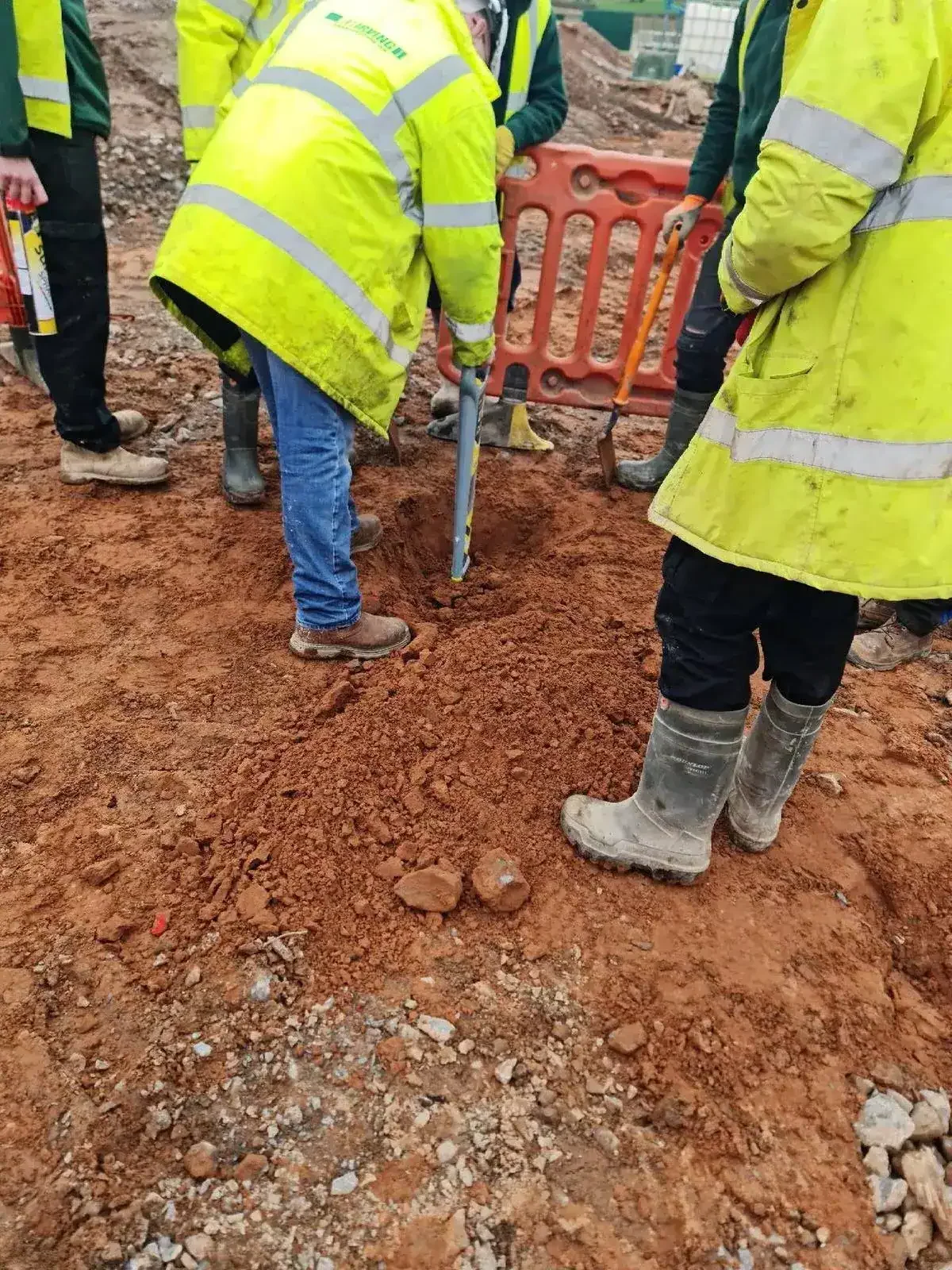
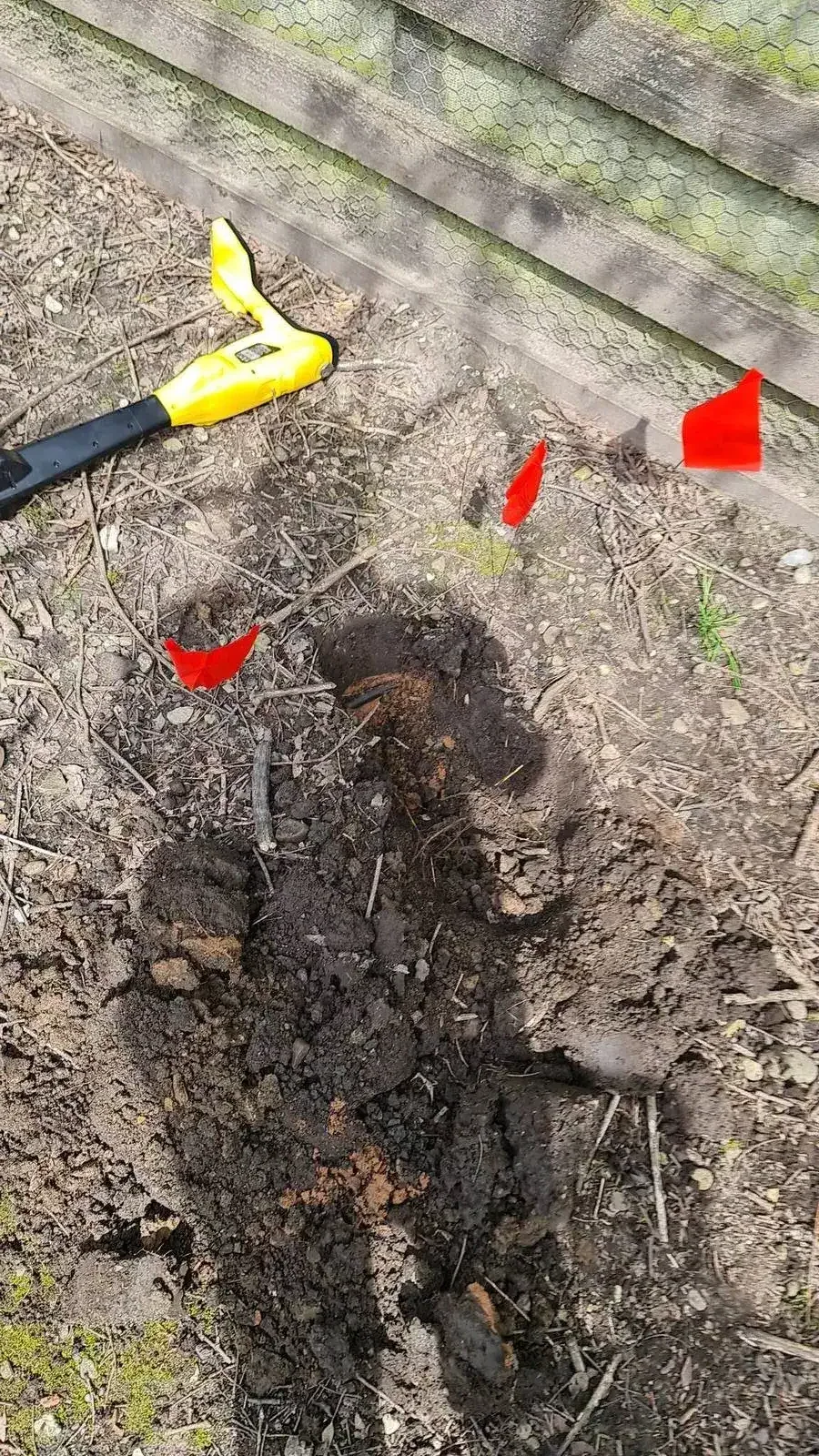
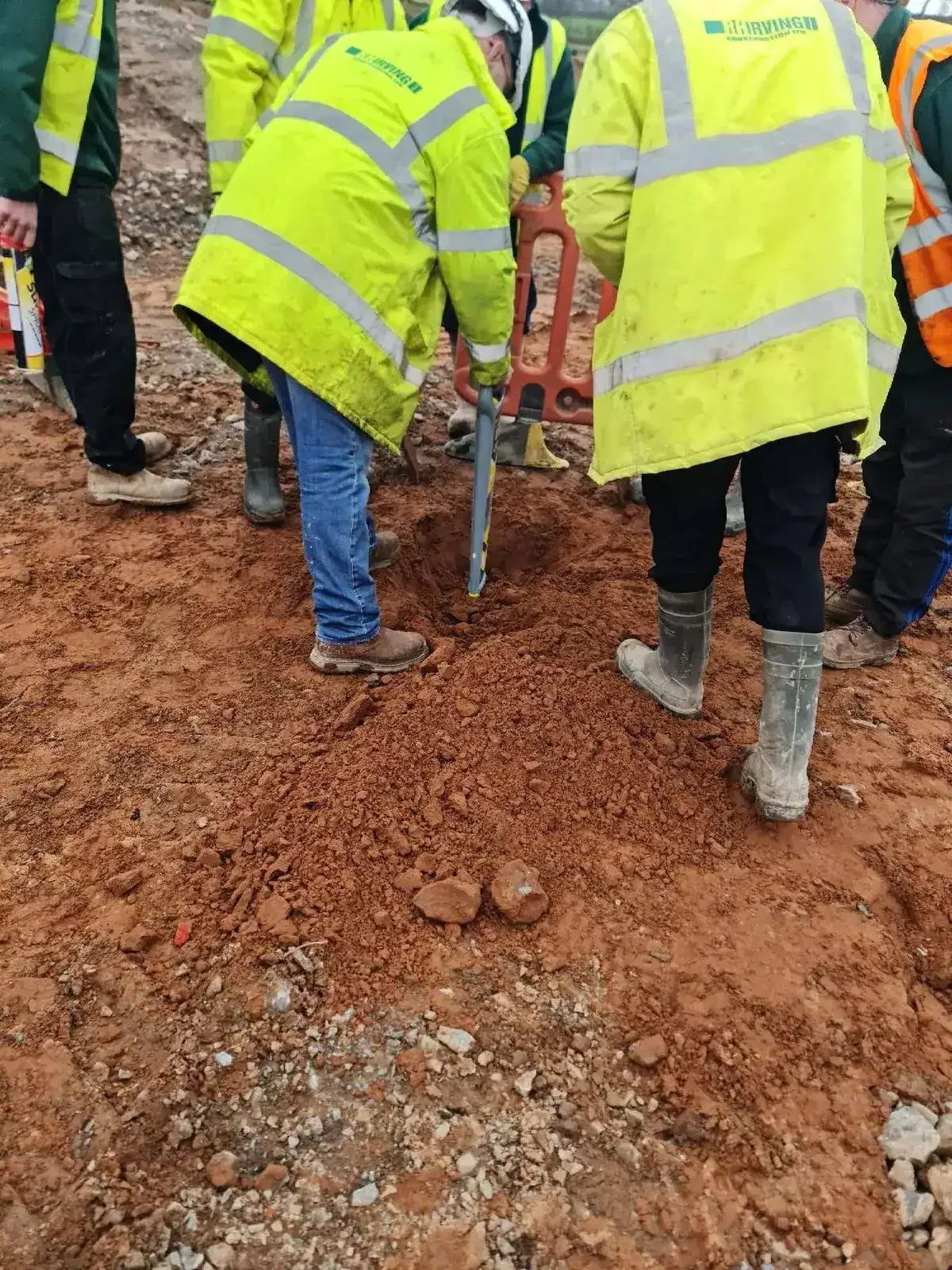
Four Practical Assessment Stages (P1-P4)
Practical assessment is split into four staged assessments. Each contains individual criteria, all assessed independently during the on-site dig. Delegates must demonstrate competency in every criterion.
Qualification Comparison
ProQual CAT2 vs EUS CAT2: Which Do You Need?
Both qualifications cover safe excavation to HSG47 and GS6 standards. The difference is the assessment framework and the qualification issuing body. Sygma Solutions delivers both and can advise on the right route for your team.
| EUS CAT2 Safe Dig | ProQual CAT2 Safe Dig | |
|---|---|---|
| Issuing Body | EUSR (Energy and Utility Skills Register) | ProQual Accreditations |
| Theory Assessment | Written assessment paper | T1-T24 criteria (24 individual criteria) |
| Practical Assessment | Observed practical dig | P1.1-P4.3 (15 individual criteria, 4 stages) |
| Assessment Depth | Holistic observation and written paper | Each criterion individually assessed and recorded |
| HSG47 Coverage | Full coverage | Full coverage, explicitly mapped to criteria |
| PAS128 Reference | General utility plans guidance | T3 criterion explicitly references BSI PAS128 |
| Typical Use | EUSR framework organisations | ProQual Accreditations framework organisations |
| Documentation | EUSR certificate issued | ProQual Accreditations certificate issued |
| Course Duration | 1 day | 1 day |
If your organisation or your clients specify ProQual Accreditations as the qualification standard, ProQual CAT2 is the right choice. If your framework references EUSR, EUS CAT2 is the correct route.
Pricing
Simple, Transparent Pricing
Sygma charges per course, not per person. Whether you send 4 delegates or 8, the course fee stays the same. Travel within the UK mainland is included.
Per course, not per person
One fixed fee covers your whole group of up to 8 delegates.
Delivery options
On-site at client premises (nationwide) or Sygma HQ, Wigan.
Combined packages
ProQual CAT1 and ProQual CAT2 combined packages available.
CITB Funding
CITB Approved Training Organisation
ProQual CAT2 is delivered by Sygma Solutions as a CITB Approved Training Organisation. Employers registered with CITB may be able to access training funding support through the CITB Employer Network.
Contact your CITB adviser for current eligibility and funding options. We provide all required documentation to support funding applications.
Career Pathway
Where ProQual CAT2 Sits in the ProQual Pathway
ProQual CAT2 Safe Dig complements the ProQual utility locating pathway. Sygma Solutions is the only provider in the UK offering a seamless route from Level 2 Award through to Level 6 Diploma.
ProQual CAT1
The locate-side qualification. Theory paper (T1-T14) and practical assessment (P1-P8). The most rigorous locate qualification available.
Learn more →ProQual CAT1 Plus
Advanced ProQual locating qualification. Additional theory criteria TP1-TP7 and 32 individual practical plus criteria. For specialists working with capacitance, clamp and advanced transmitter techniques.
Learn more →ProQual Level 2 Award
The formal RQF-positioned Level 2 Award in Utility Avoidance. A formal qualification step in the ProQual career pathway.
Learn more →OSCA
GPS and time-stamped on-site competency assessment. Independent proof of competence at the point of work, between qualification renewals.
Learn more →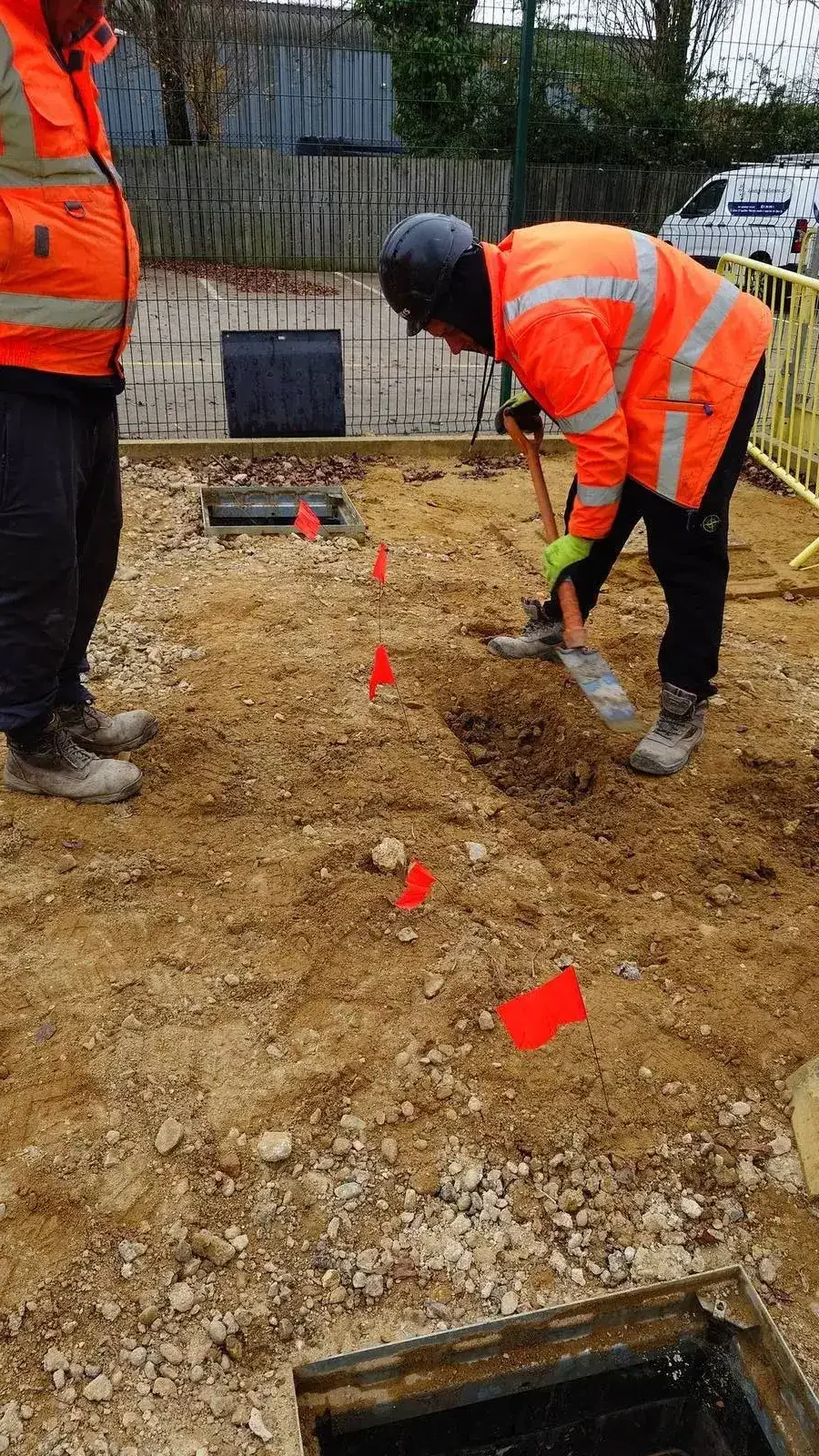
Common Questions
Frequently Asked Questions
How many criteria does ProQual CAT2 cover?
ProQual CAT2 covers 24 individual theory criteria (T1-T24) and 15 individual practical criteria across four assessment stages (P1.1, P1.2, P2.1-P2.5, P3.1-P3.5, P4.1-P4.3). Every criterion is assessed independently. There is no aggregated pass mark that allows a weak area to be masked by strong performance elsewhere.
Do we need to hold ProQual CAT1 before attending ProQual CAT2?
ProQual CAT1 or EUS CAT1 (or an equivalent utility locating qualification) is strongly recommended as a pre-requisite. ProQual CAT2 includes on-site locating work as part of the safe dig assessment. Delegates who are not comfortable operating a CAT and Genny locator will find the practical element difficult.
Can ProQual CAT2 be delivered on the same day as ProQual CAT1?
For most groups, combining CAT1 and CAT2 in a single day is not recommended due to the breadth of content and the on-site practical requirements of both qualifications. However, Sygma Solutions can design a two-day combined programme for groups who need both qualifications. Contact us to discuss your specific requirements.
Is ProQual CAT2 better than EUS CAT2?
Neither is universally better. The right qualification depends on the competency framework your organisation or your clients require. ProQual CAT2 is more extensively criteria-mapped, with 24 theory criteria and 15 individual practical criteria assessed independently. EUS CAT2 is EUSR-registered and suits organisations whose frameworks reference EUSR. Sygma Solutions delivers both and can advise on the appropriate route.
What does the T3 criterion on BSI PAS128 involve?
T3 covers the interpretation of utility drawings and service identification, and includes knowledge of BSI PAS128, the specification for underground utility detection, verification and location. Delegates are required to understand what PAS128 covers, how it relates to utility plan interpretation, and the limitations of utility plans. This criterion ensures that safe dig operatives understand the survey standards behind the drawings they are relying on before they put a tool in the ground.
Why Sygma Solutions
Why Choose Sygma for ProQual CAT2?
Sygma Solutions is the only independent training provider in the UK offering the full ProQual pathway from Level 2 Award through to Level 6 Diploma. Here's what sets us apart.
Independent Assessment to Higher Standard
We are independent of utility companies and framework bodies. Our assessments are rigorous, criteria-mapped, and transparent. No averaging, no aggregation. Every criterion is assessed individually.
Pairs with ProQual CAT1 and CAT1 Plus
Sygma is the only provider delivering the complete ProQual locating and safe dig pathway. Single-provider accountability. Consistent standards across locate and dig qualifications.
Specialist Trainers and Assessors
All trainers are experienced utility locating and safe dig professionals. Not generic health and safety trainers. Real-world knowledge embedded in every session.
Real Practical Assessment on Site
Practical assessment happens on actual excavation work, not in a controlled training environment. Delegates are assessed against real-world conditions, hazards, and constraints.
Independent Training Provider
We operate independently. No conflicts of interest. No utility company commercial pressure. No framework body governance. Purely focused on delivering thorough training and fair assessment.
We Come to You
On-site delivery at client premises nationwide. No need to travel. Minimal disruption to your operations. We provide all training equipment and assessment documentation.
HSG47 Mapped Learning
ProQual CAT2 and HSG47 Compliance
HSG47 (Health and Safety Executive Guidance on Safe Digging Practices) is the foundation of UK safe excavation law. ProQual CAT2 maps to all key HSG47 requirements. Here's how the qualification ensures compliance.
Trained and Competent Operatives
HSG47 requires that anyone carrying out excavation must be trained and competent. ProQual CAT2 assessment provides independent proof of competence against 24 theory and 15 practical criteria.
Safe System of Work
T2 criterion and P1-P4 stages directly map to HSG47's 'safe system of work' principle. Delegates demonstrate understanding of and adherence to documented safe systems before and during excavation.
Safe Excavation Techniques
T8-T18, P3.1-P3.5 criteria cover hand tools, power tools, reduced-dig technology, safe digging posture, and the hazards of incorrect practice. Direct HSG47 alignment.
Protecting Exposed Services
T4-T6, T10-T11, P4.1-P4.3 ensure delegates can identify services, maintain their integrity, report damage, and protect exposed utilities. Core HSG47 protective principle.
Occupational Health
T20-T22 cover ground conditions, water ingress, support systems, ventilation and lighting. ProQual CAT2 ensures operatives understand the occupational health hazards of unsafe digging.
Evidenced Training Records
Every criterion is individually assessed and recorded. Certificates, assessment reports and training records provide auditable evidence of competence for HSG47 compliance and health and safety documentation.
Book ProQual CAT2 Safe Dig
On-site nationwide or at Sygma HQ in Wigan. Up to 8 delegates per session. CAT1 and CAT2 combined packages available.
Next Steps
Related Courses
ProQual CAT1
The ProQual-accredited locating qualification. Combine with ProQual CAT2 for complete utility avoidance competency.
EUS CAT2 Safe Dig
The EUS equivalent safe excavation qualification. For organisations that use EUS rather than ProQual on their competency framework.
Cable Avoidance Course Comparison
Compare all cable avoidance qualifications side by side to find the right pathway for your team.