Knowledge Hub
Practical Knowledge for Underground Utility Professionals
Guides, explainers, and technical resources on utility location, avoidance, and mapping. Written by Sygma's specialist trainers.
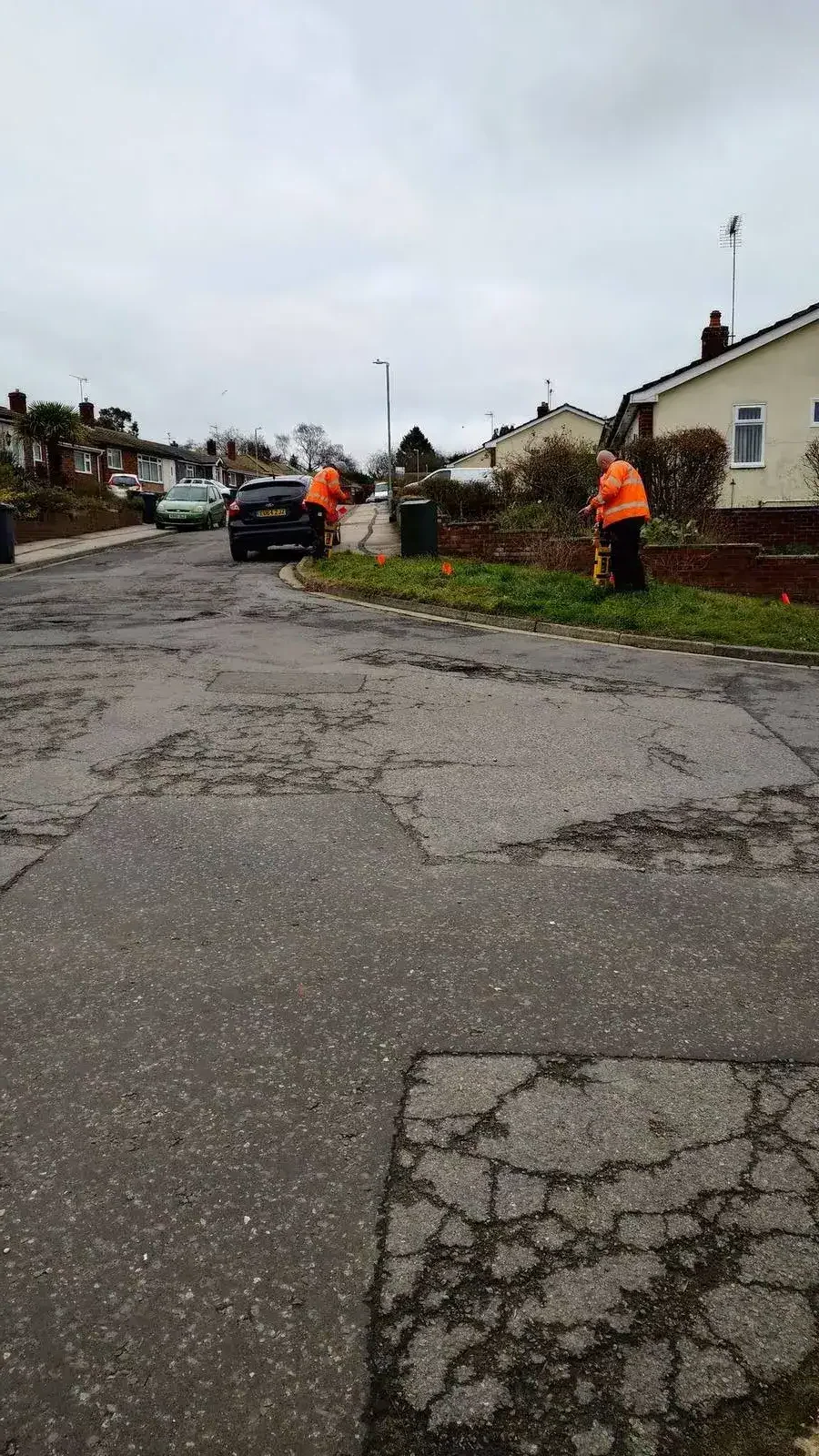
Why Most Utility Strikes Happen in the First 20 Metres
The pre-excavation survey is where the majority of risk sits. This piece breaks down the four behaviours that lead to strikes and what Sygma's training does to address each one.
Read moreWhy You Should Always Connect the Genny First
Passive detection alone is not enough. Sygma's Genny-First methodology and why it produces measurable improvements in site safety.
Read moreOSCA: The Case for On-Site Assessment
A three-year certificate confirms an operative passed a course. It does not confirm what they are doing on site today. How OSCA fills that gap.
Read moreEUS CAT1 vs ProQual CAT1: Which One Does Your Operative Need?
These are not equivalent qualifications. This guide explains why ProQual CAT1 is a significantly more thorough assessment and helps you choose the right one for your team.
Read moreCITB Funding for Utility Training: The 2026 Position
How the CITB Employer Network model works, what it means for your training budget, and how Sygma can help you access it.
Read moreUnderstanding PAS 128: A Guide for Contractors and Clients
What PAS 128 covers, what the different survey types require, and why operatives working on PAS 128 projects need specific training.
Read moreHSG47 Explained: What It Requires and Who It Applies To
HSG47 is the principal guidance document for avoiding danger from underground services. This guide explains the key requirements and how Sygma's training maps to them.
Read moreWhen Does Your Organisation Need a Bespoke Training Programme?
Standard courses solve generic problems. Bespoke programmes solve specific ones. This piece explains how to tell the difference and when to invest in a bespoke approach.
Read moreHow to Renew Your EUSR Card
Your EUSR card has expired or is about to expire. This guide explains the EUS card renewal process, what happens if your card lapses, and how to rebook your training.
Read moreNPORS vs EUSR Cable Avoidance: Which Qualification Do You Need?
NPORS and EUSR both offer cable avoidance qualifications but they serve different purposes. This guide explains the differences, who accepts each one, and how to choose.
Read moreUtility Strike Prevention: A Guide for Site Managers
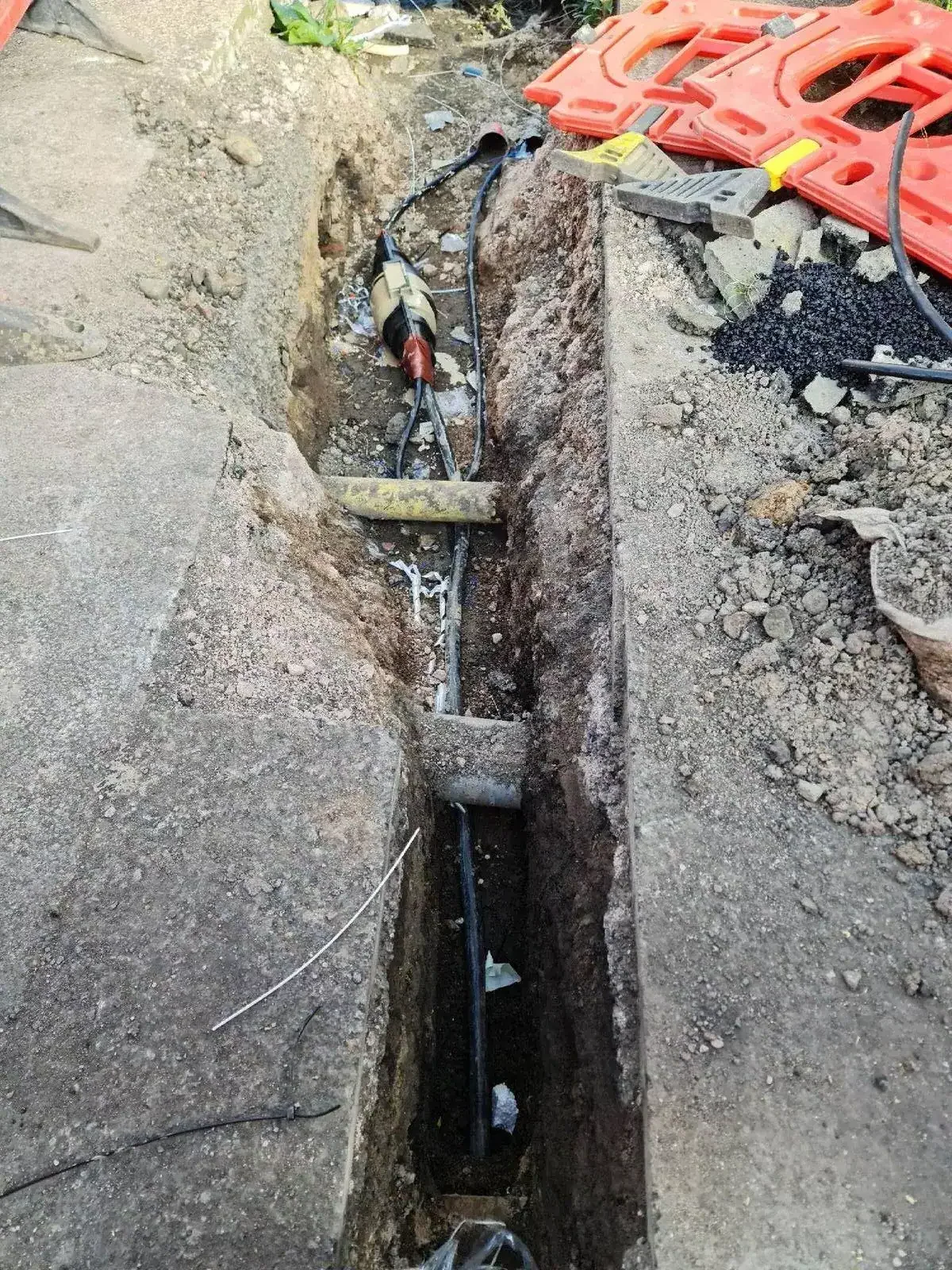
Most utility strikes are preventable. Practical guidance on pre-dig procedures, training requirements, supervision, and building a culture that prioritises doing it right.
Read more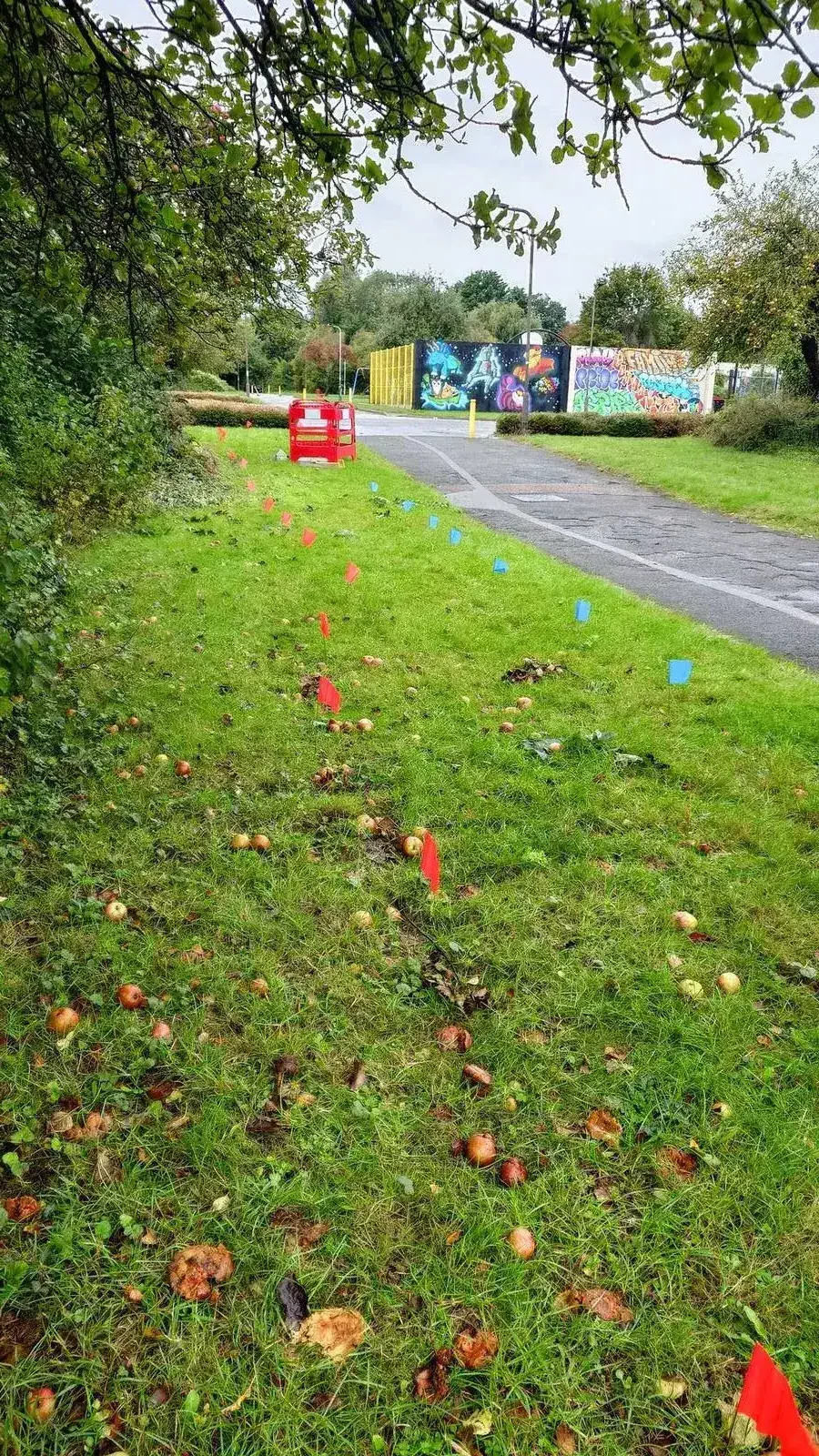

Have a Technical Question?
Our trainers are available to answer questions from customers, clients, and industry contacts. Call us or get in touch.
Get in Touch