CAT and Genny Training
Genny and CAT · incorporating EUSR Cat 1
One day of hands-on training to find buried cables and pipes with a Genny and CAT before anyone digs, taught Genny first and assessed on real underground services.
Rated 4.87 out of 5 by 665 delegates from their end-of-course feedback since September 2026
One day, 08:30 to about 15:00. Wigan from £121 per delegate, or on site for your team

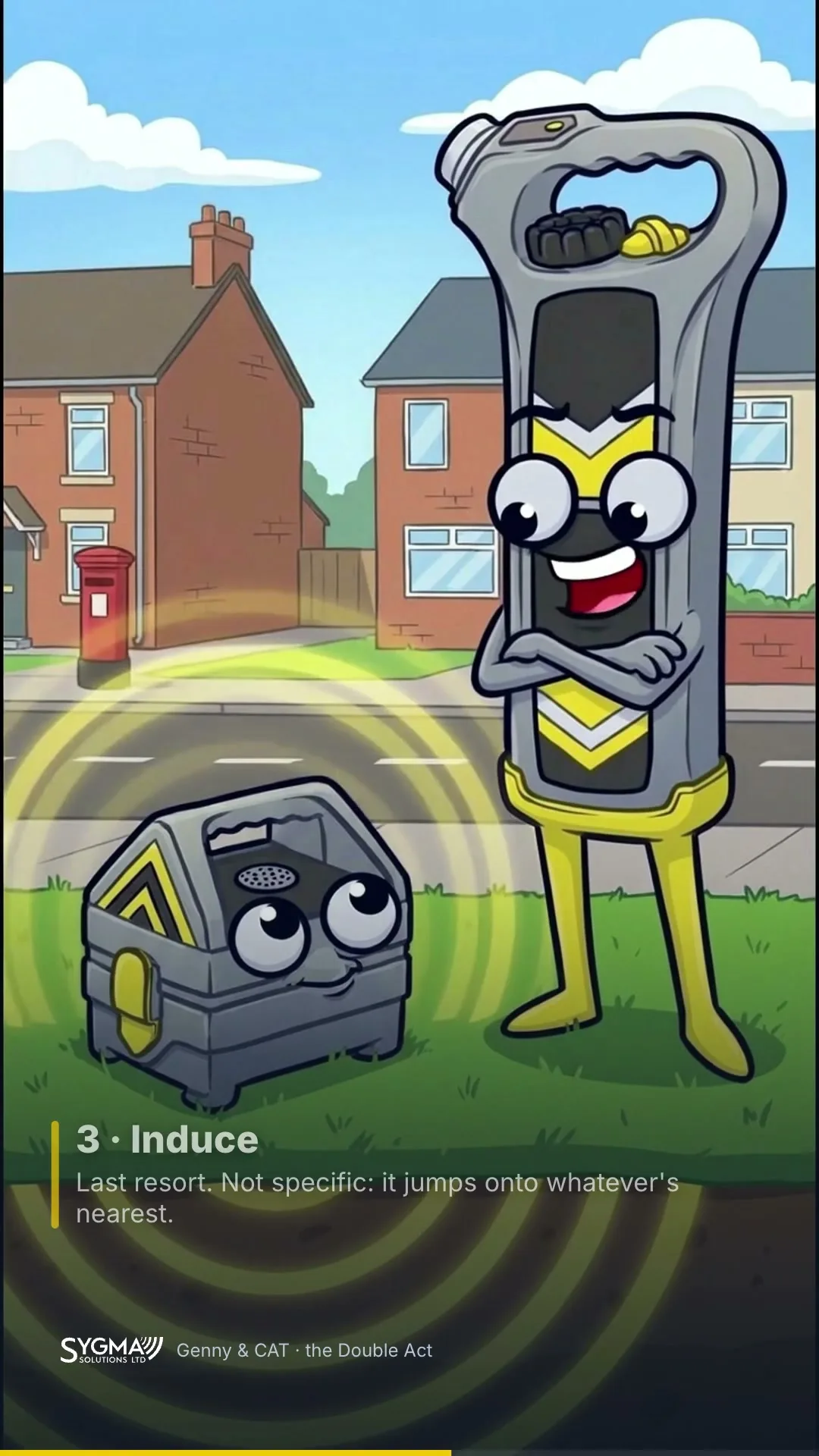
Genny and CAT: the Double Act
Our 66-second cartoon
Duration
One day
08:30 – ~15:00
Group size
Max 8
Per trainer, per day
Delivery
On-site UK-wide
or our Wigan centre
Assessment
80% pass
Written + practical
Why Sygma for CAT and Genny Training
We go beyond qualification specifications. Every Sygma course is built on years of strike investigations, real-world field experience with civil engineers and utility contractors, and proven safety results for course attendees across UK infrastructure projects.
21 Years
One Specialism
Underground utility location training is all we do.
70-80%
Increase in Genny Usage
Measured through locator data downloads after Sygma training.
Proven
Strike Reduction Record
Clients report measurable reductions in service strikes.
Specialist Trainers
Directly employed. Ex-utility surveyors or ex-equipment manufacturer specialists. TAQA qualified.
We Come to You
Delivered at your site, anywhere in the UK. Travel included. No hidden extras. Independent: no surveys, no equipment sales, no manufacturer relationships.
Trained by Sygma: Kier, Morgan Sindall, Severn Trent Water, QTS
Why our CAT and Genny course starts with the Genny
Most cable avoidance courses teach operatives to switch the CAT on and walk. They learn what the beep means, but not why the signal behaves differently in wet or disturbed ground, what happens near a joint, or why a passive Power reading misleads. The result is certificates handed out without changing how operatives work on site.
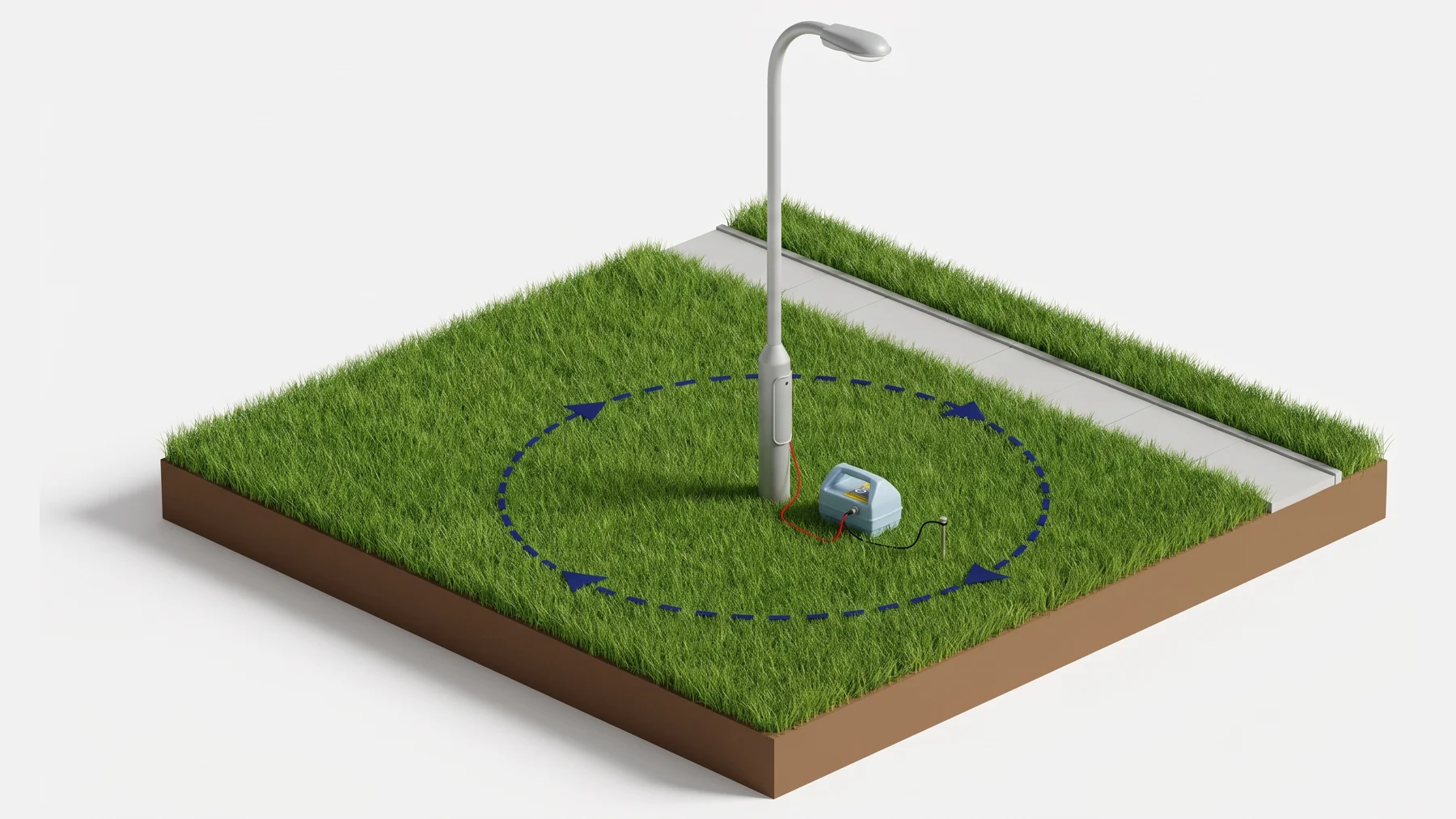
CAT stands for Cable Avoidance Tool: a passive receiver, not a safety guarantee on its own. So we teach the Genny first: apply a known signal, trace it across the site, and verify it before trusting passive readings. A proper CAT and Genny scan starts with the Genny. That order is why we say Genny and CAT, and 21 years of post-strike data points the same way: most preventable strikes happen when operatives skip the Genny.
It changes behaviour. Operatives trained by Sygma use the Genny 70 to 80% more, measured through locator data downloads.
Who CAT and Genny training is for
Complete Beginners
No prior experience of Genny or CAT equipment. Zero to competent in 1-2 days.
Site Operatives and Groundworkers
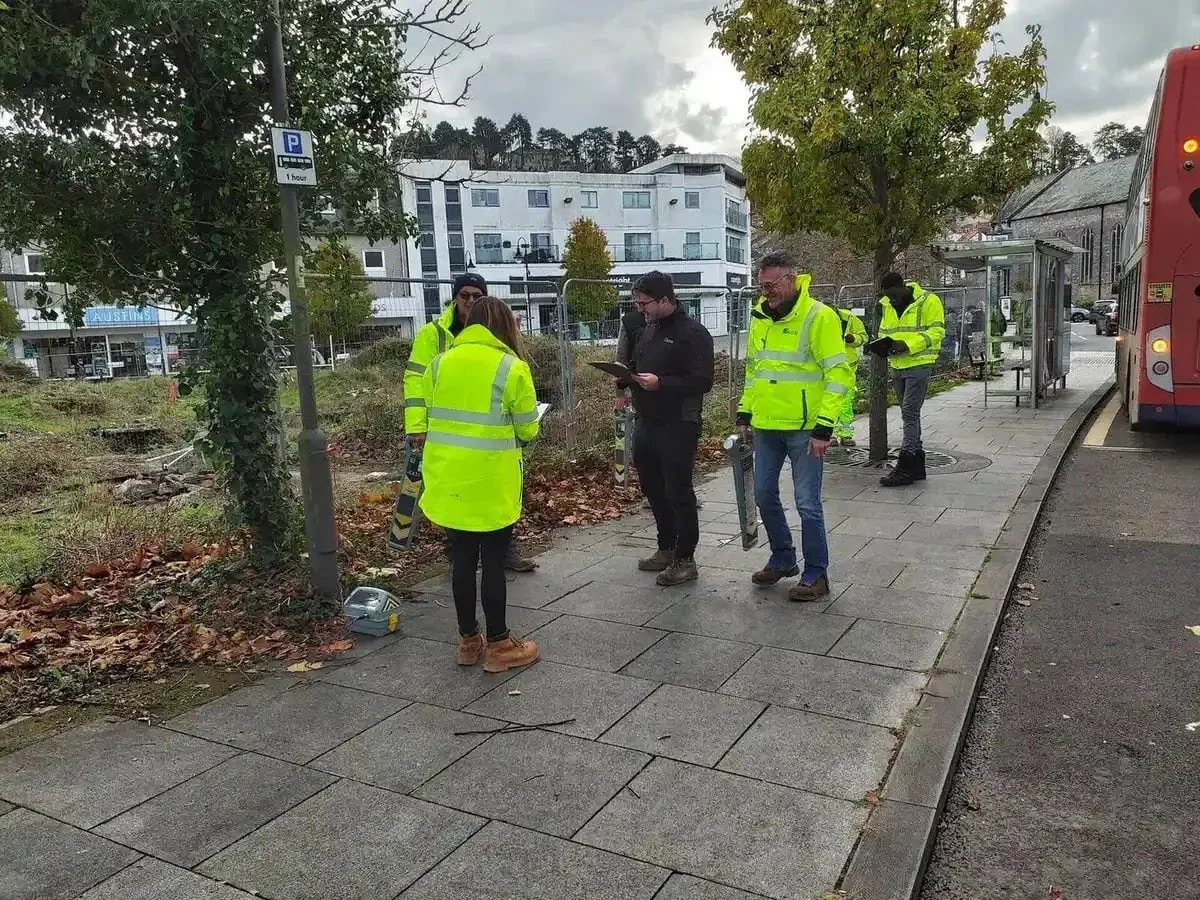
Anyone who locates buried services before excavation. Required if your team breaks ground near underground services.
Civil Engineers and Supervisors
Understand the equipment your teams are using, supervise safely, and audit survey work on site.
Organisations Introducing Genny-First
Companies transitioning to Genny-First as the workforce-wide method.
What the CAT and Genny course covers
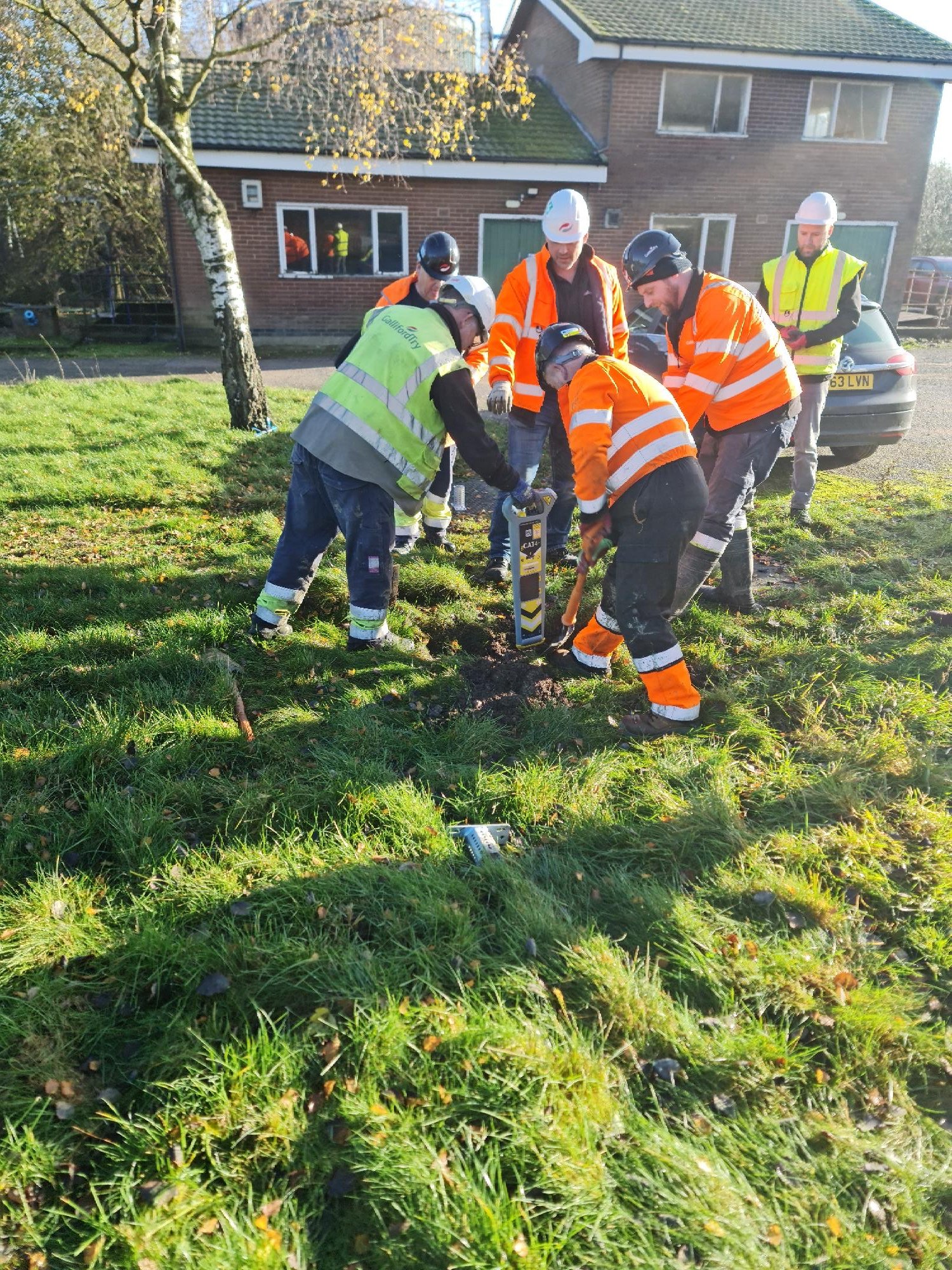
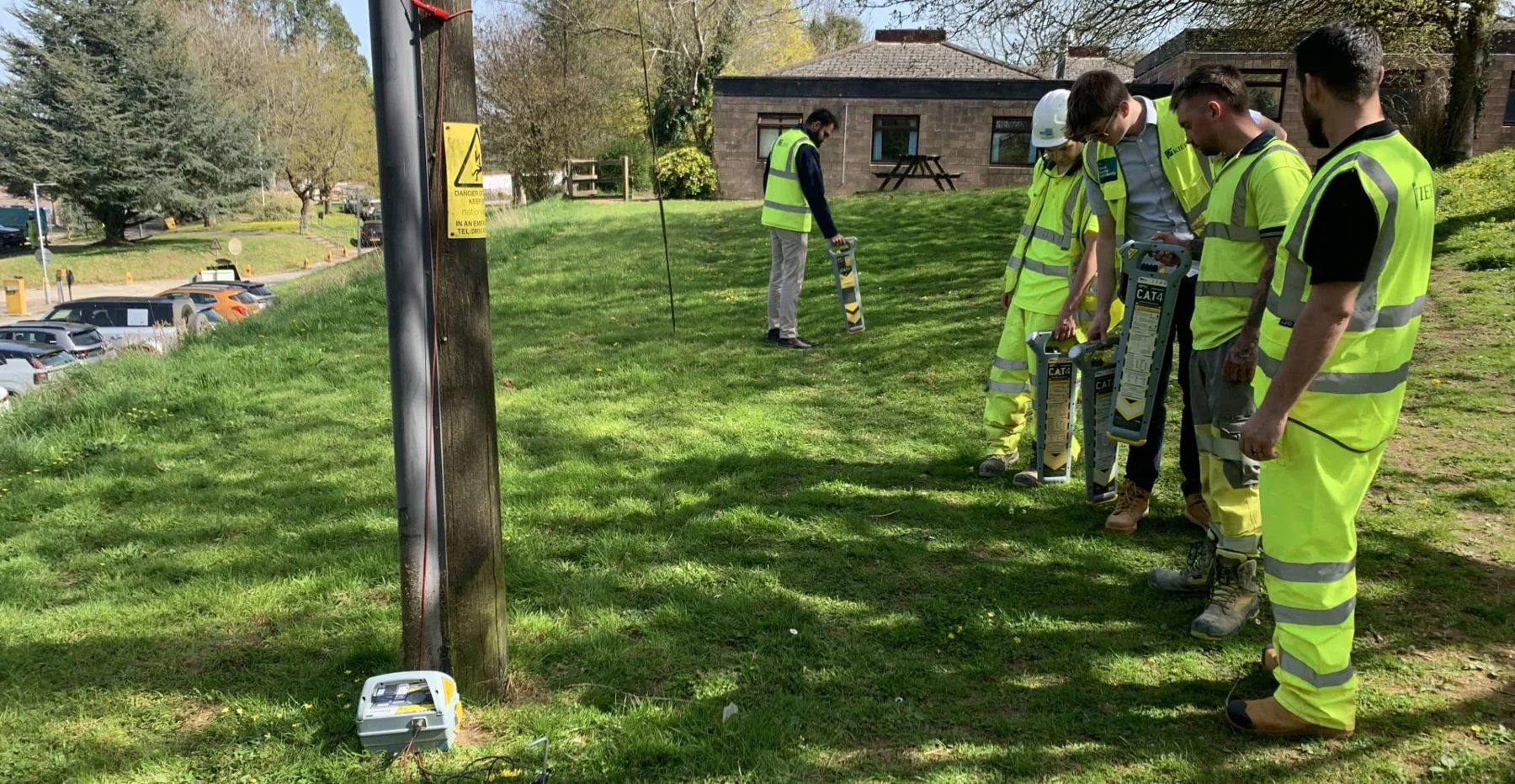
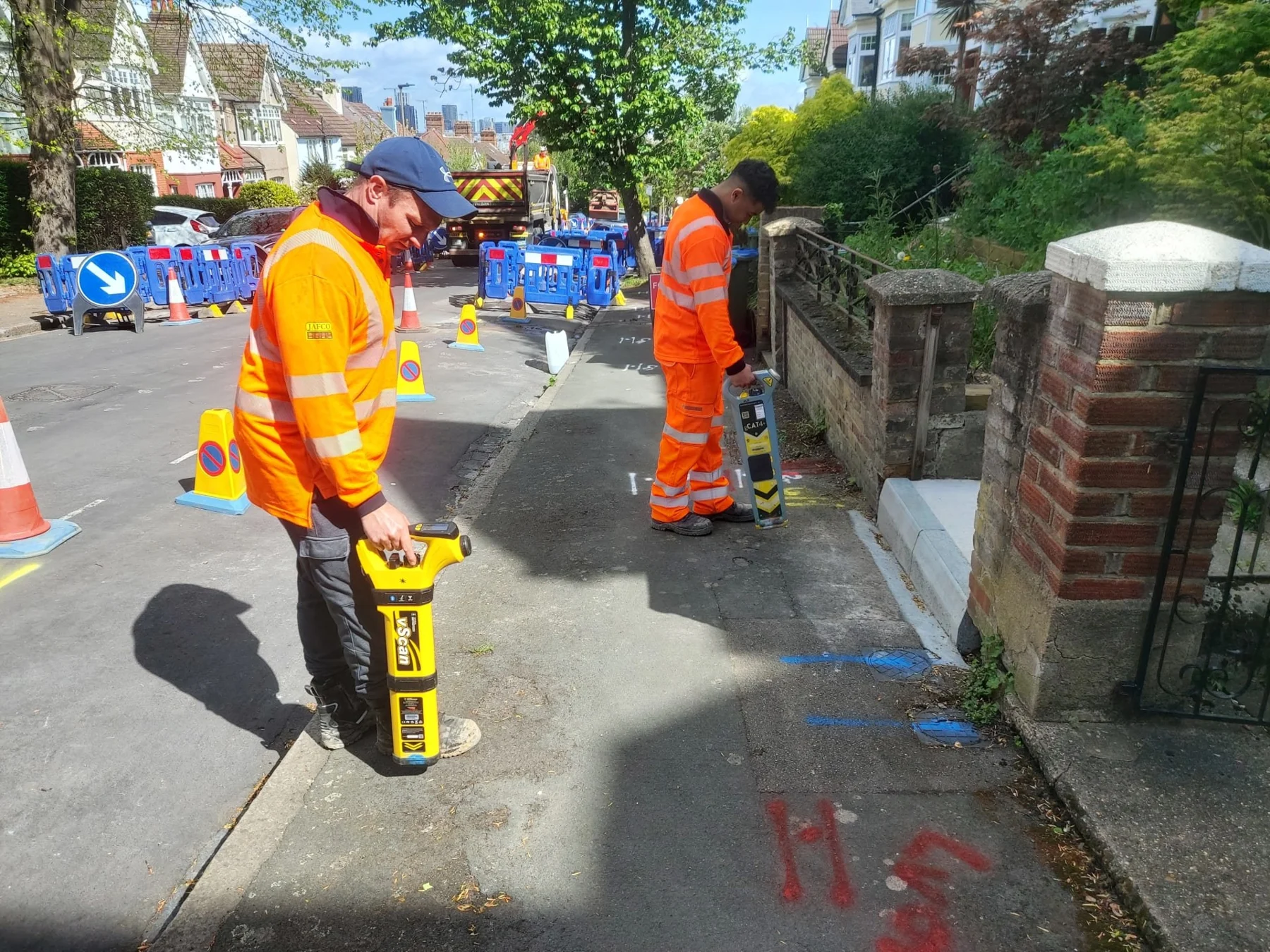
Classroom theory, then practical work on site with the Genny and CAT, locating real buried services and cross-checking them against the plans. Many clients know this course as cable avoidance training. The syllabus below is the same whichever badge you choose.
Classroom: Theory
The full technical and regulatory context
- HSG47 and the duties of clients, designers and contractors
- Buried service plans (STATS) and their limits
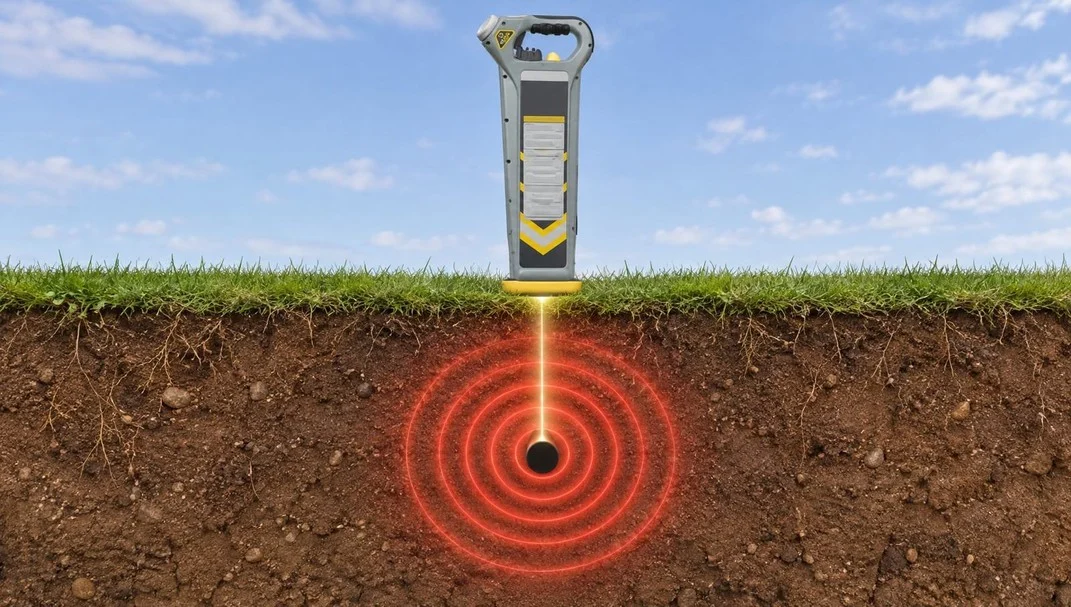
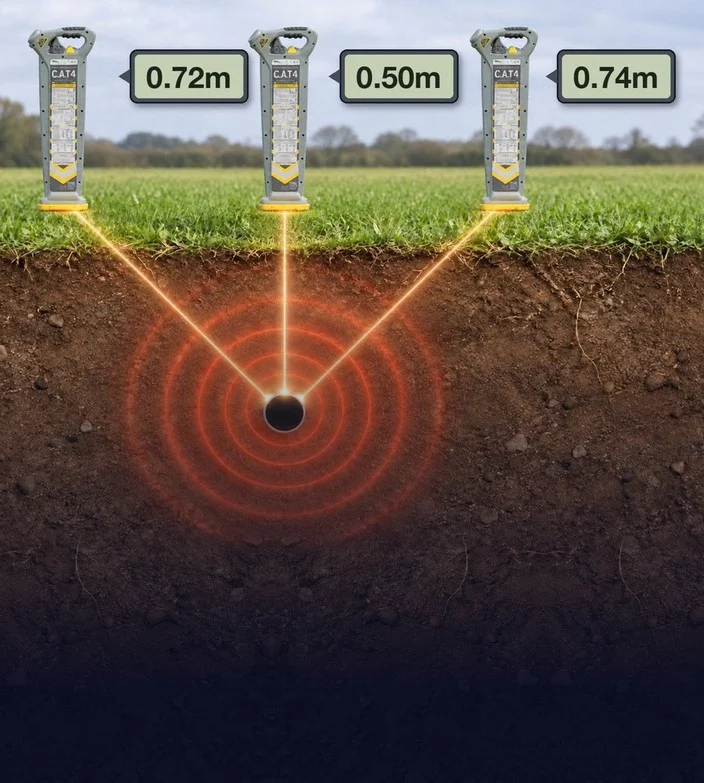
- How a cable avoidance tool works, and where it stops working
- All four modes: Power, Radio, Genny and Avoidance
- Reading the signal: joints, direction changes and depth
- Pre-use checks, calibration and CAT Manager data
Site-Based: Practical
Every principle proved on real underground services
- Reading service plans to plan the survey
- Applying a signal by direct connection, the clamp and induction
- All four modes, with the Genny first throughout
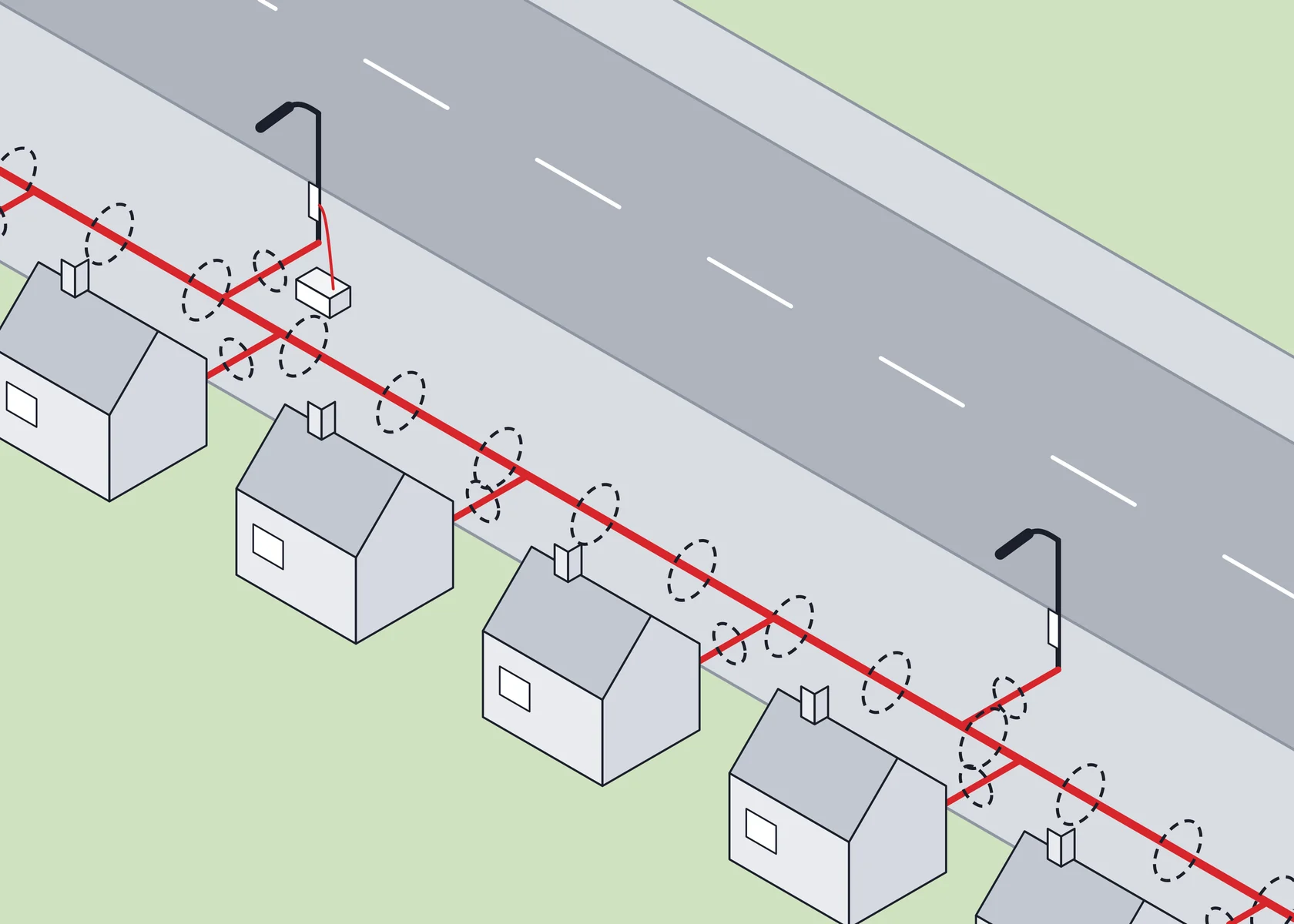
- Problem services: street lighting, LV and small comms
- A structured CAT and Genny scan across the working area before excavation starts
- Individual practical assessment against a documented standard
The full agenda, and what we need from your site: CAT and Genny course agenda.
See the kit before the day: the Genny4 and CAT4 controls and features, on film.
The full Genny and CAT method in ten minutes
The whole method end to end, in the order it happens on site: the same sequence delegates practise on the course. It is the film to put in front of anyone who has done the course and needs the whole sequence refreshed before they stand over real ground.
Genny and CAT: The Full Method in 10 MinutesWatch on YouTube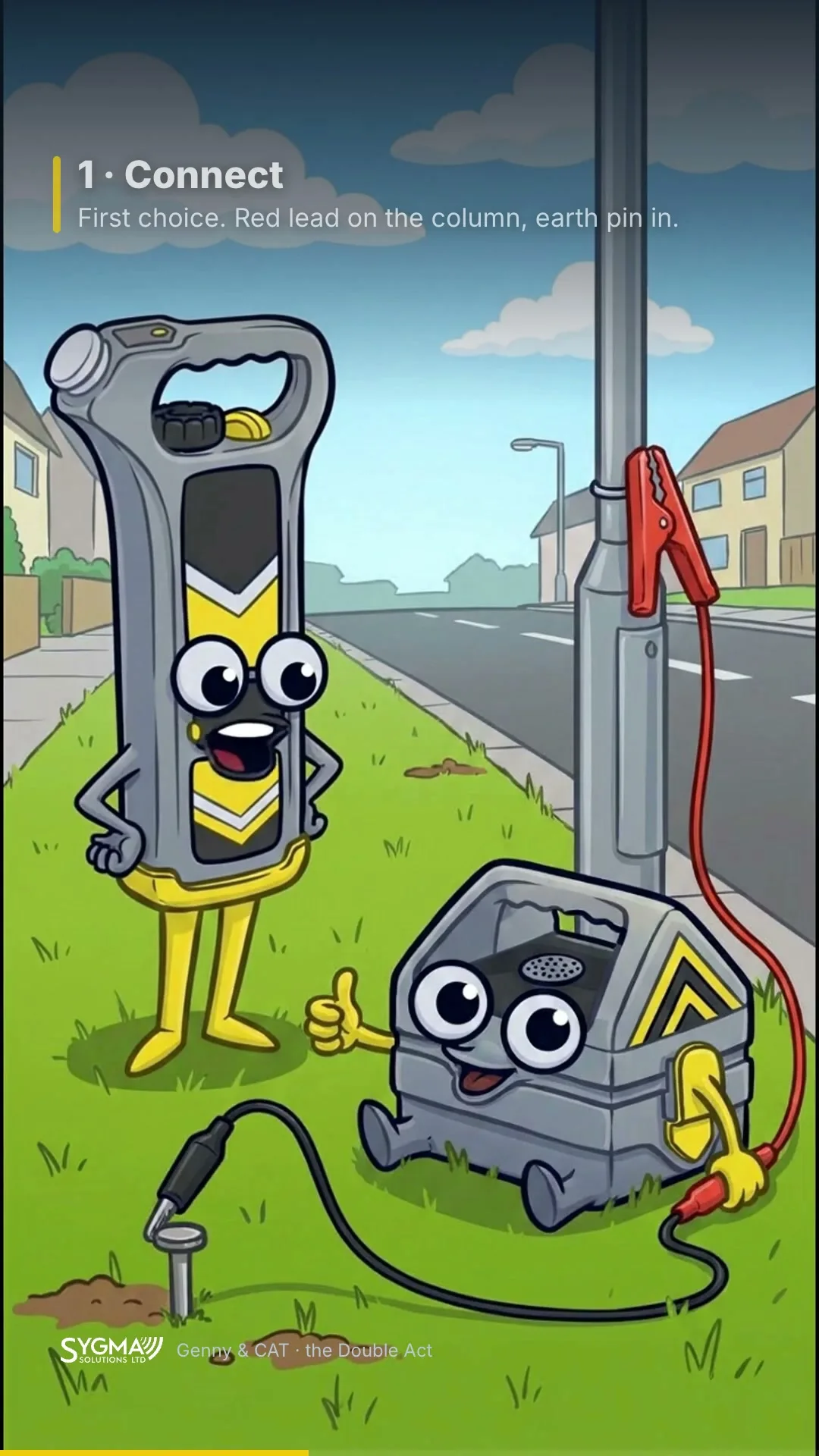
Before you switch anything on
A visual inspection of the Genny and CAT, confirming the service due date on the CAT display, and the voltstick check before touching or connecting to any metallic surface. The checks take a minute and they are not optional.
Applying the signal
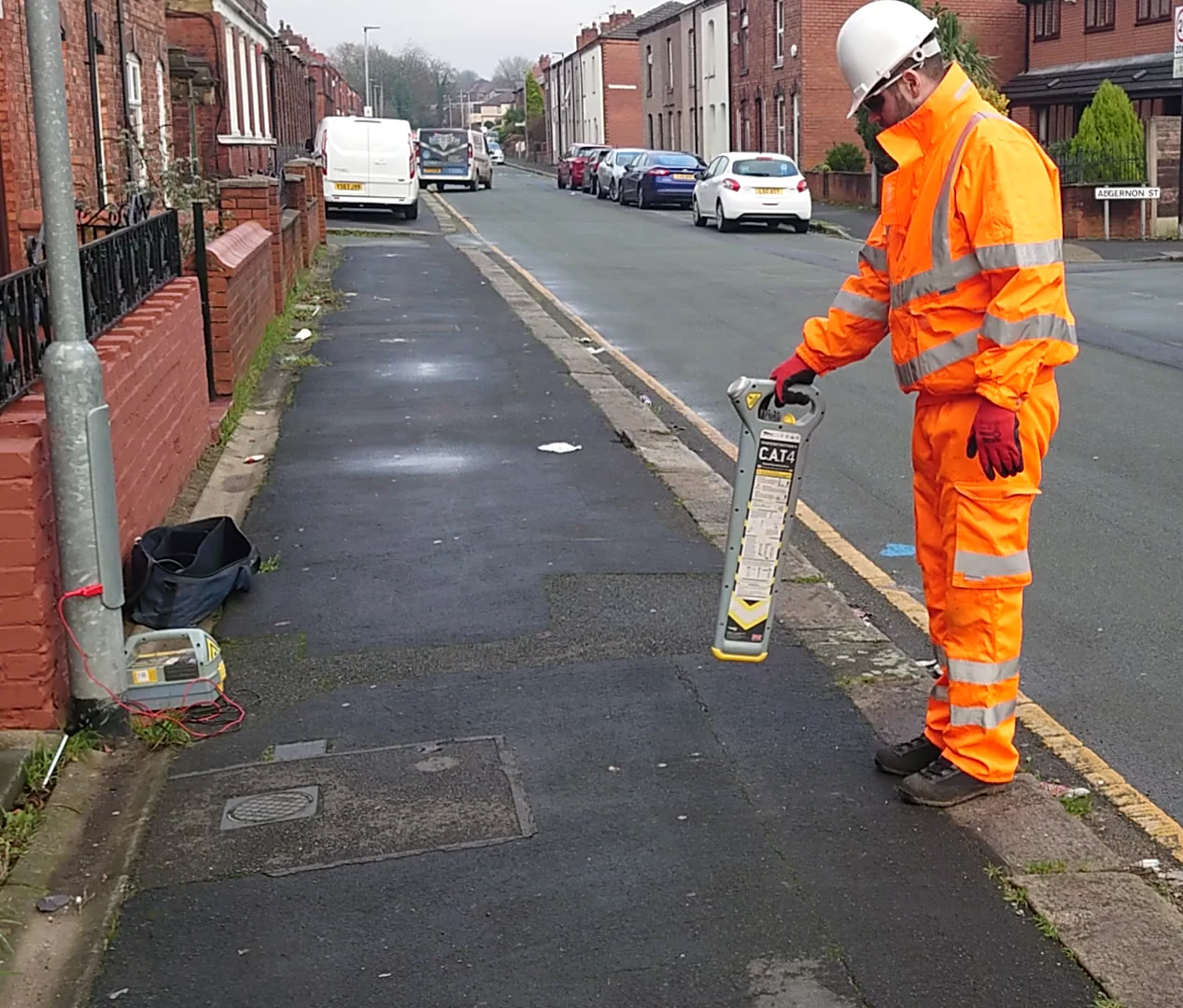
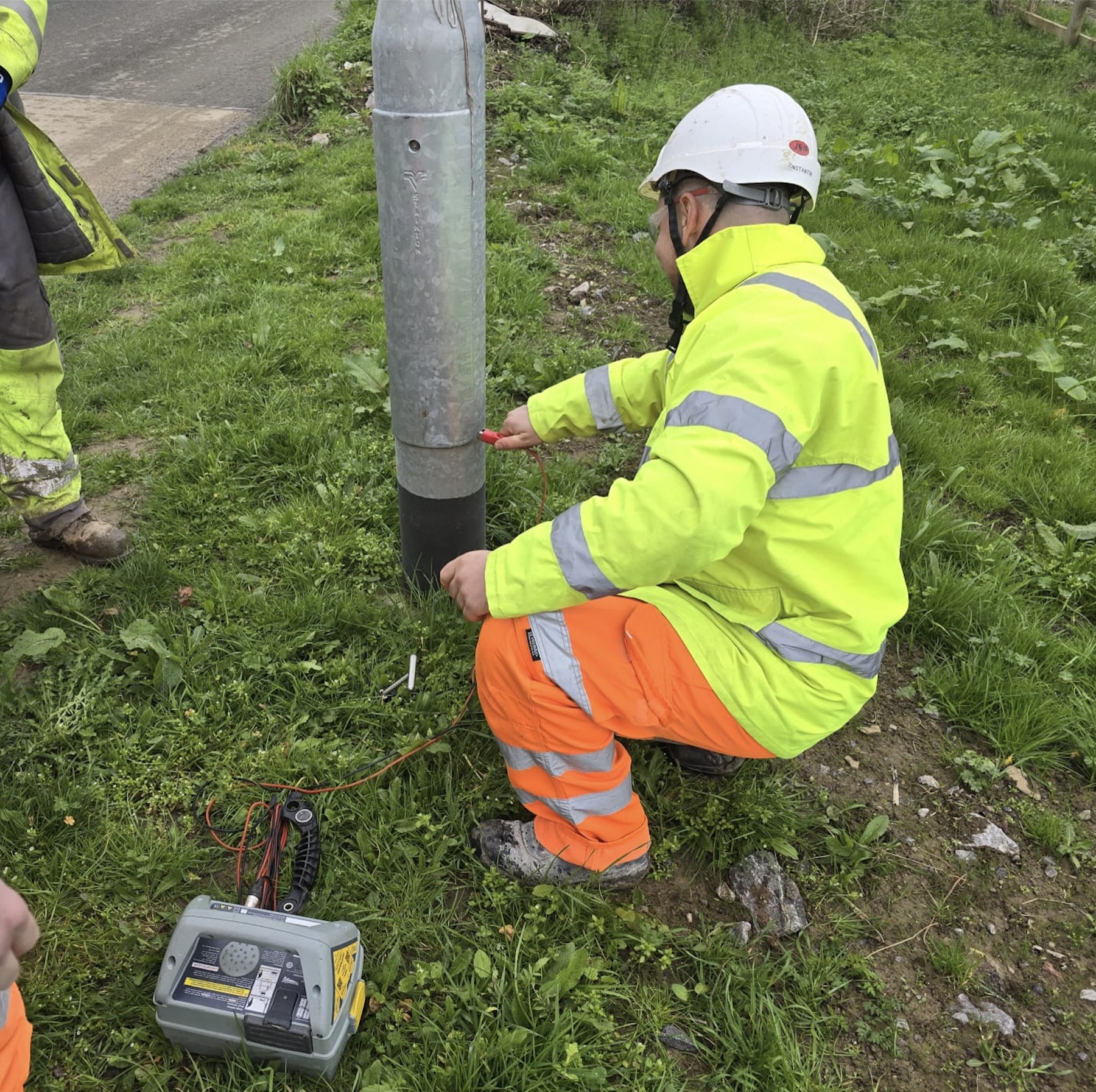
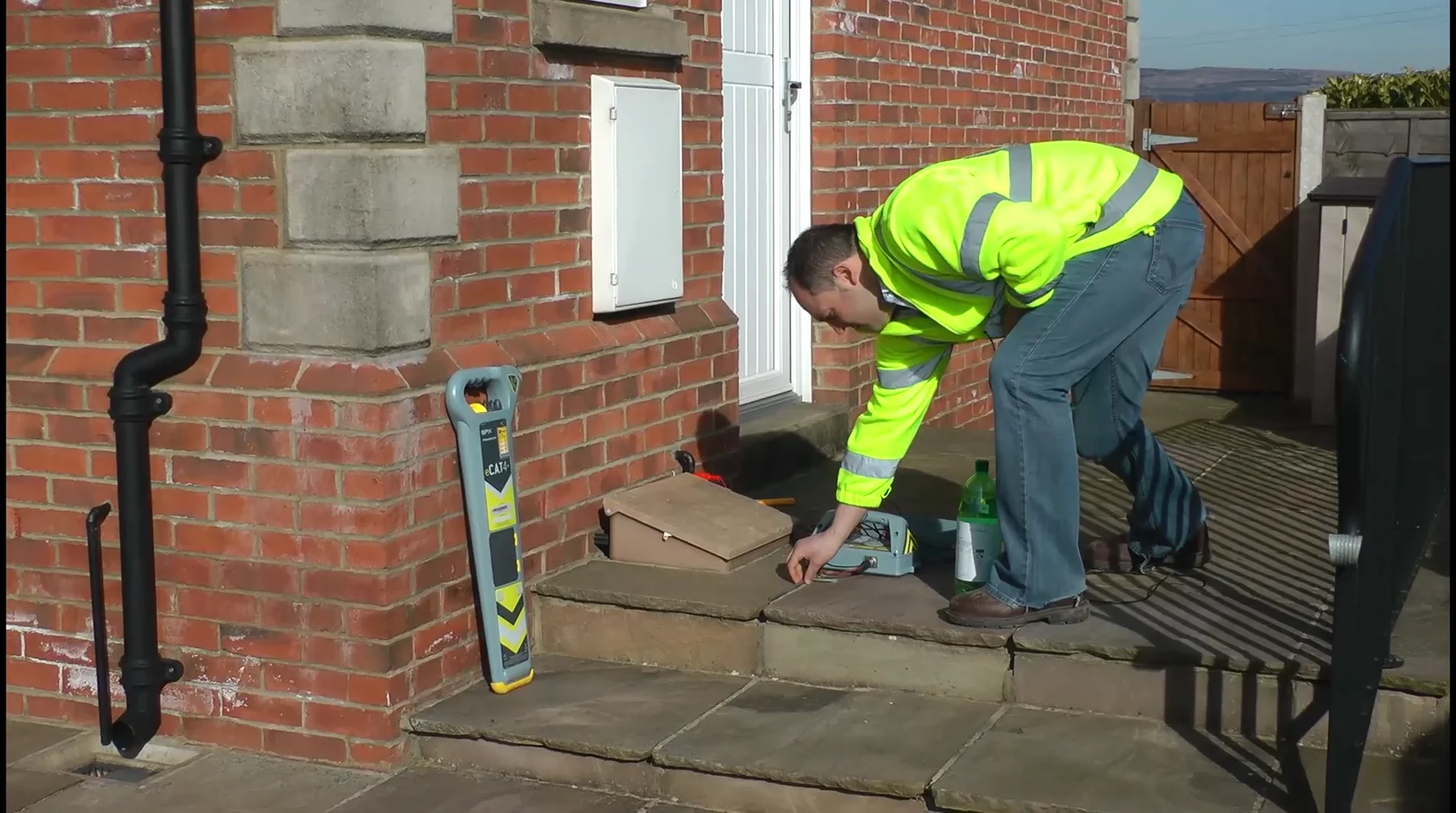
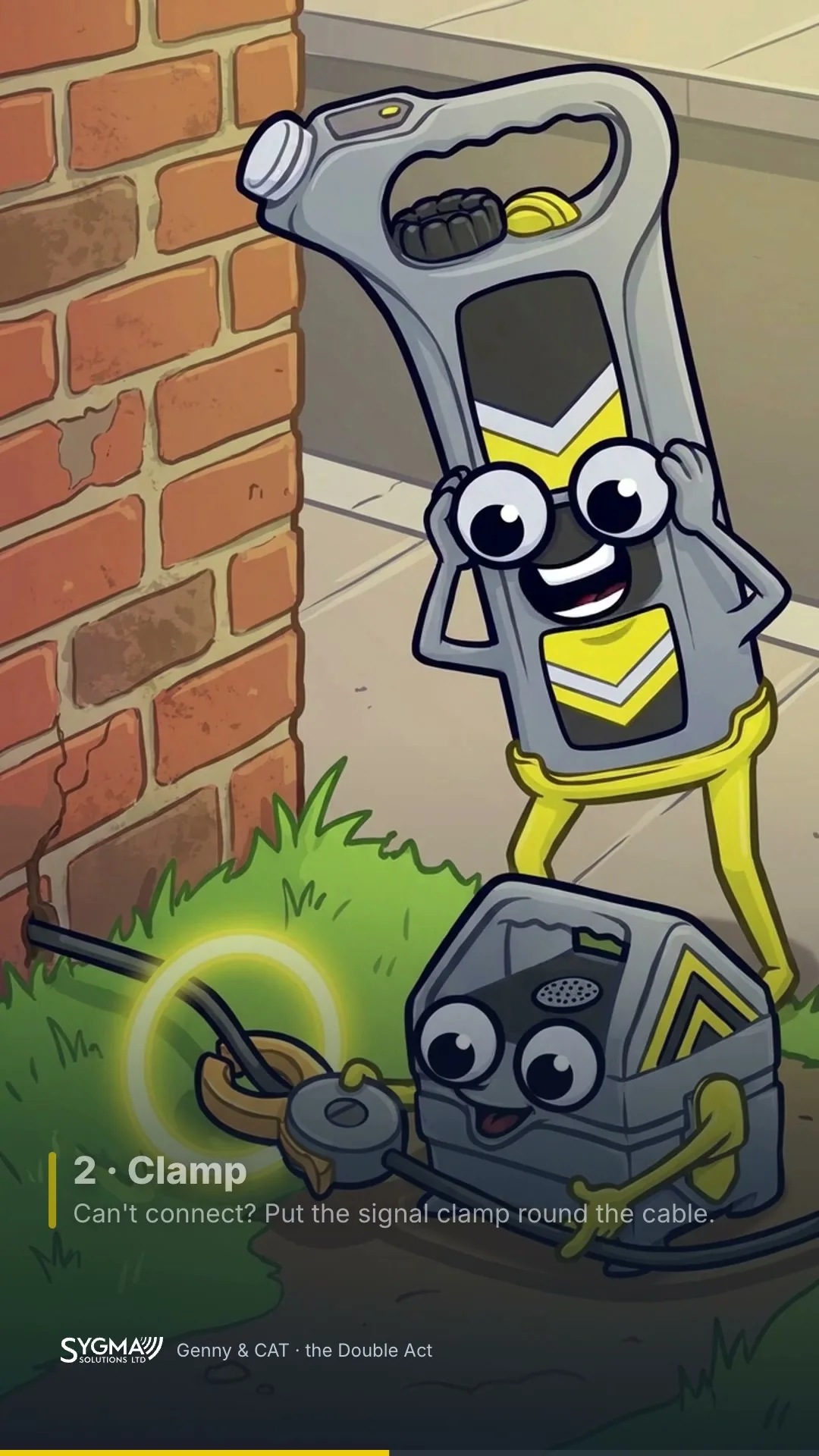
Direct connection to street furniture and metal casings, tracing a water main from the hydrant, what happens to the tone when the earth connection is made (nothing: the change comes on the signal side), and the signal clamp around a pipe or cable, including the safety check with the customer for critical electrical appliances.
Locating, marking up and the airborne check
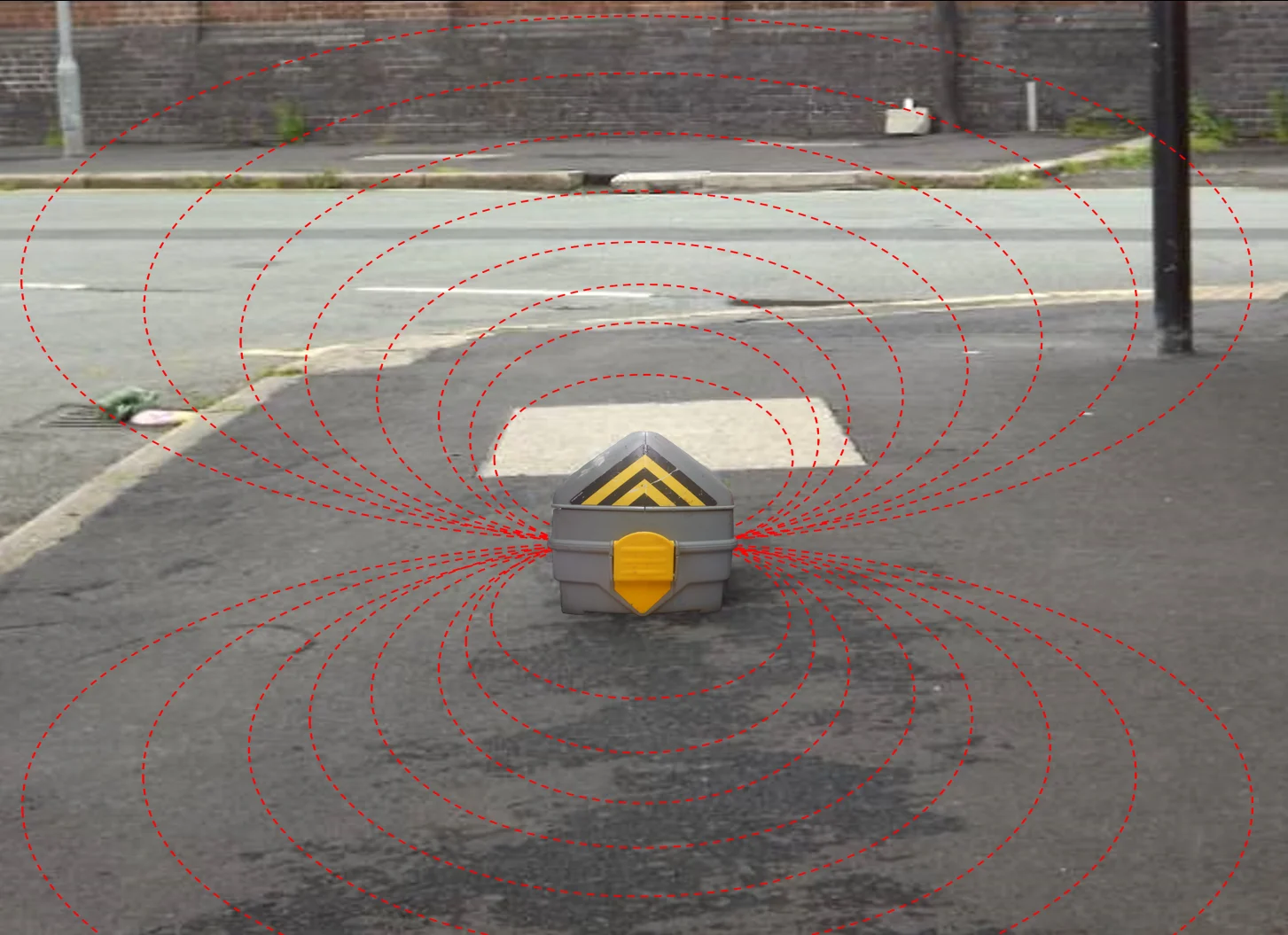
Holding the CAT at waist height with the housing parallel to the ground, moving the Genny at least ten metres from the marking-up area, and scanning across the assumed route for airborne signals: the false signal that comes through the air rather than the ground, and how to prove you have one.
Masked cables and depth
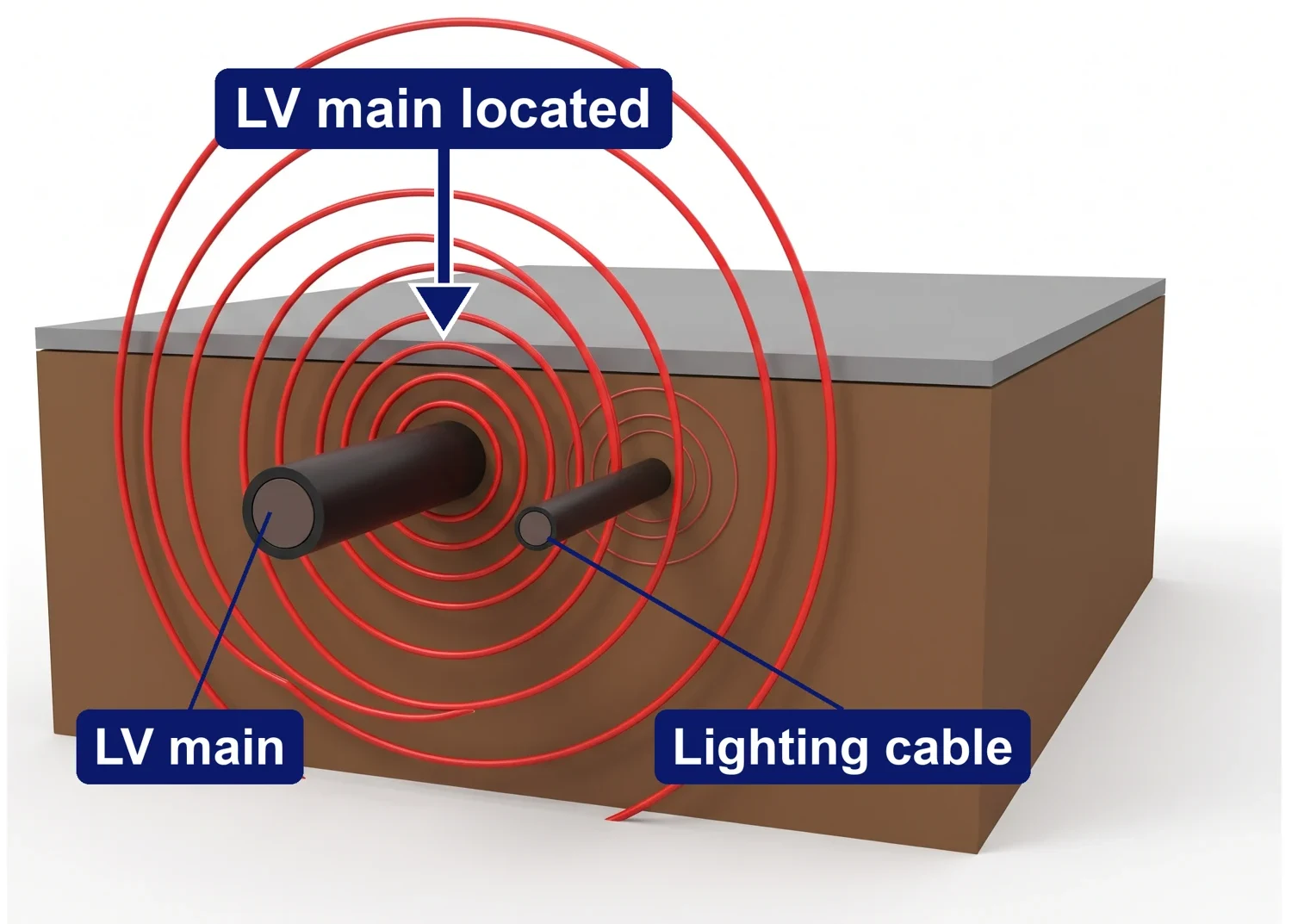
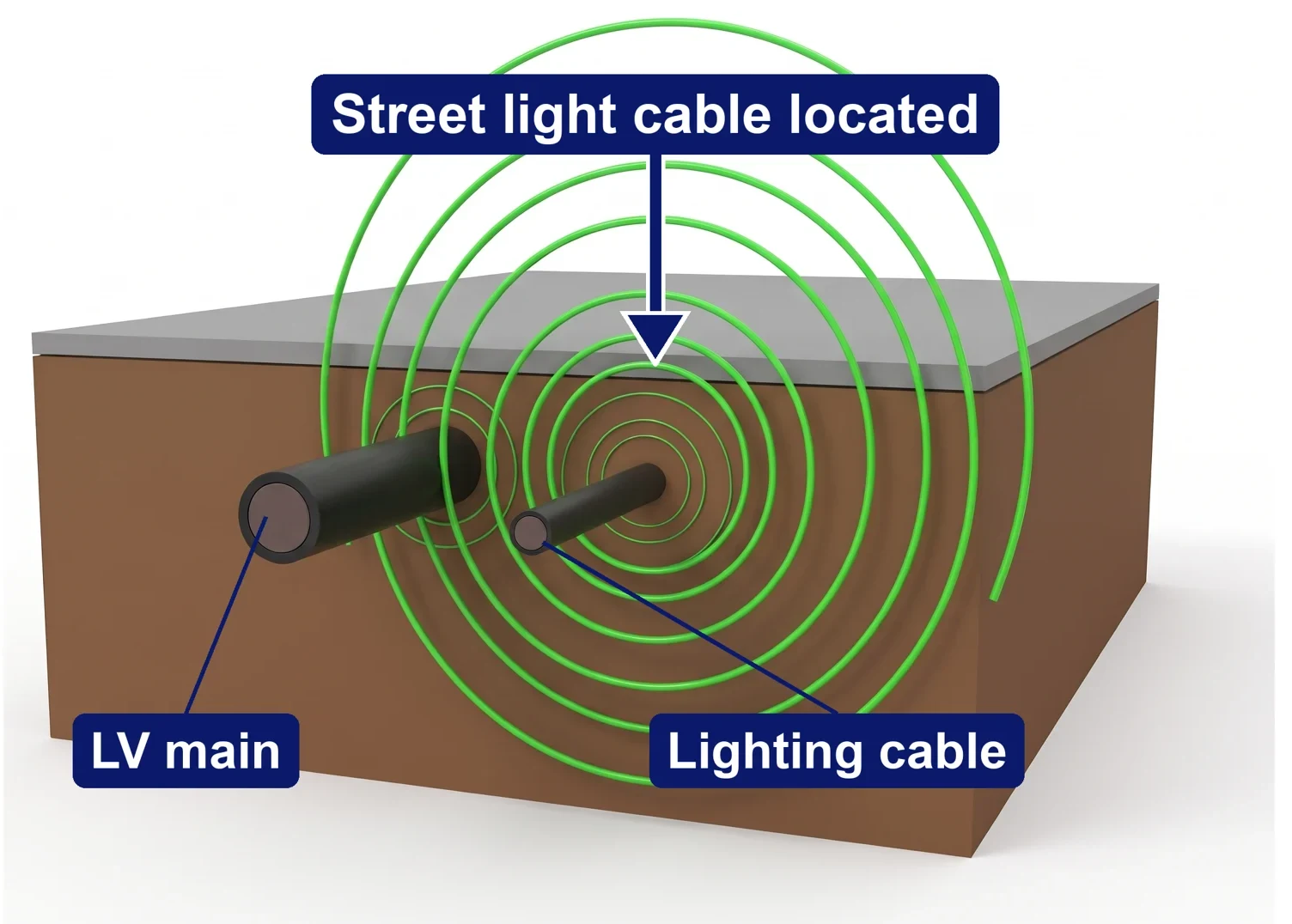
A strong signal can mask a second cable or pipe running close by. The film shows how to recognise the possibility, and what a depth reading actually refers to when the target is a pipe rather than a cable.
Cable avoidance training: the same course
Cable avoidance training is the name many clients and principal contractors use for this course. It is the same day, the same syllabus and the same assessment, whichever certificate you choose: Sygma's own, EUSR Cat 1 or ProQual.
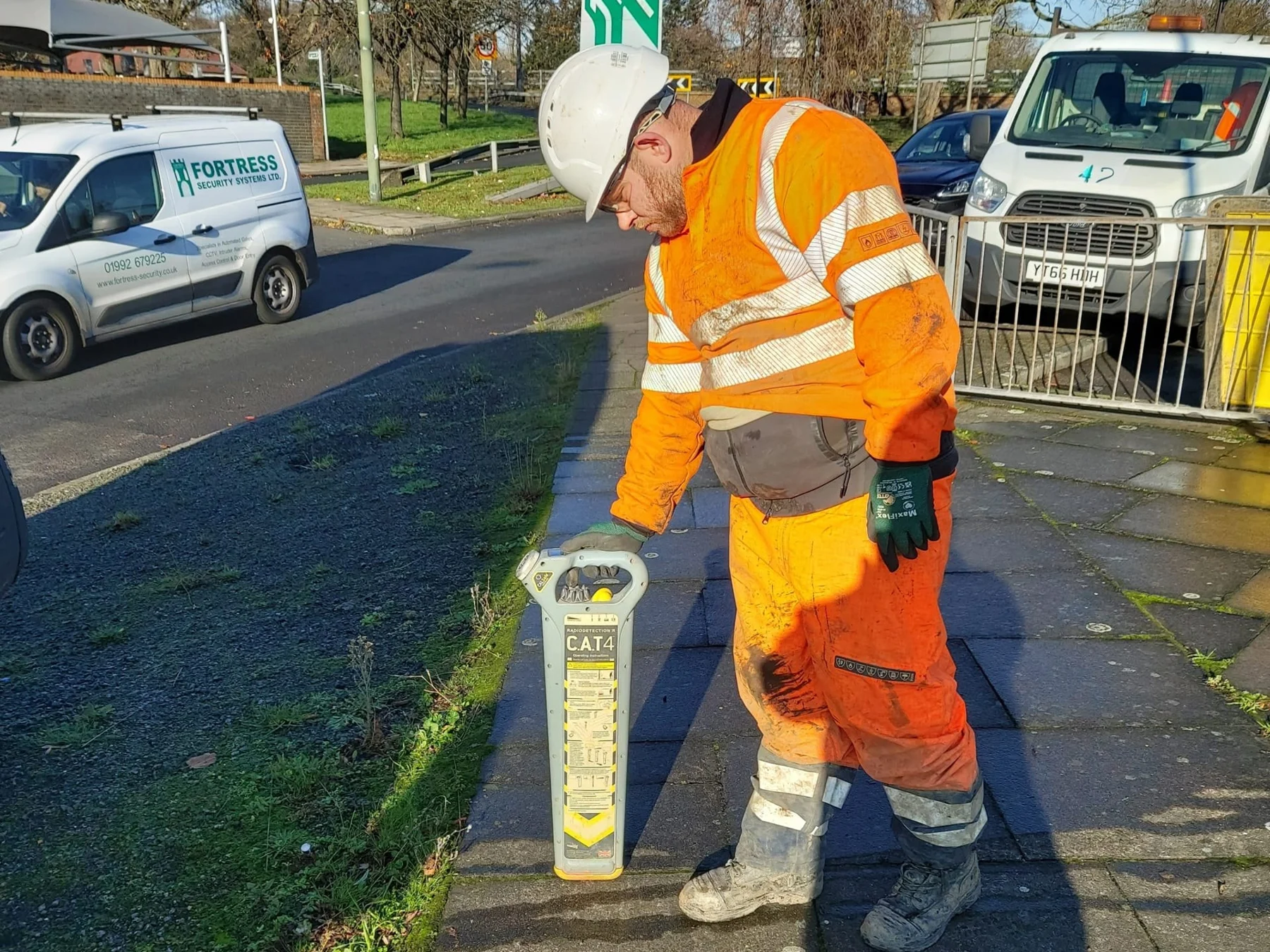
The CAT is the cable avoidance tool itself, and using it properly is a trained skill, not a matter of switching it on and sweeping. The course covers the tool in depth: the passive Power and Radio modes and what each can and cannot detect, why a passive sweep alone never guarantees a clear dig area, and the pre-use checks that confirm the tool is working before every use. If your operatives already carry a CAT but have never had formal cable avoidance tool training, this is the course that turns the box in the van into a strike-prevention instrument.
CAT and Genny training: the quick answers
- How long does it take?
- One day, 08:30 to about 15:00, with a written and practical assessment (80% to pass). Two-day formats are available on site.
- How much does it cost?
- From £121 per delegate on an open course at our Wigan centre. On site, one price for your group of up to 8, travel included: ask us for a quote. Sygma's own certificate is included; EUSR (£34) and ProQual (£35) are charged per person on top.
- Can it be done online?
- No. The assessment is a practical on real underground services, so the course is taught in person, at our centre or on your site.
- What is it?
- Training to find buried cables and pipes with a Genny and CAT before anyone digs, as HSG47 expects. You choose the certificate: Sygma's own, EUSR Cat 1 or ProQual.
Same course, whichever name you know it by
CAT and Genny, Genny and CAT, Cable Avoidance, HSG47, EUSR Cat 1, Cat Scanner
Trained by Sygma
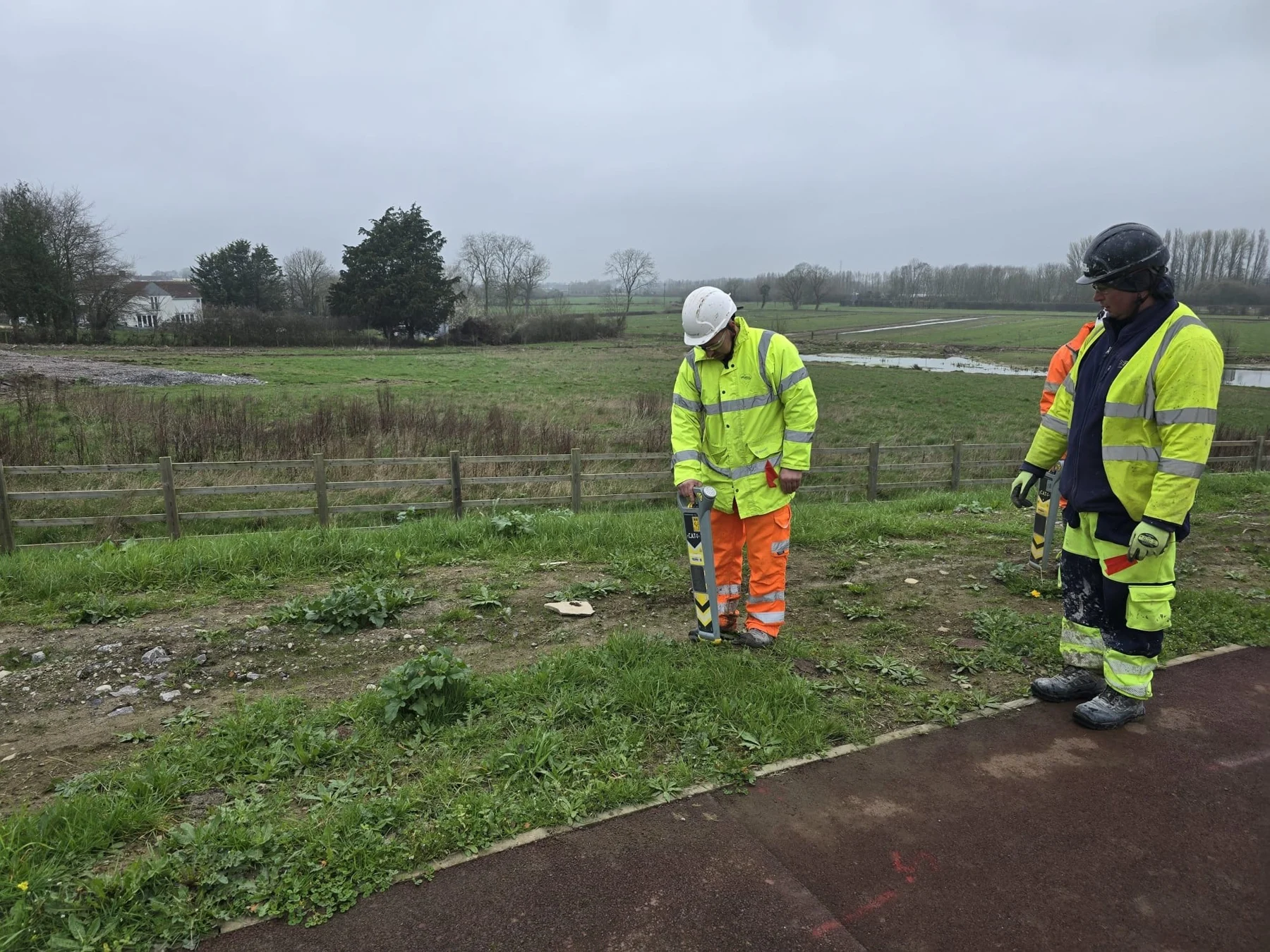
One course, your choice of badge
The content and assessment are identical whichever route you choose. Pick the certificate your scheme or client requires.
These are certificate fees, not the course price. They are charged per person, on top of the course fee. The course itself is quoted separately, based on your numbers and whether we deliver on-site or you take open-course seats.
Sygma certificate
Sygma In-House
Our own certificate of competence, issued on the day.
Includedno certificate fee
EUSR registration
EUSR Cat 1
Nationally recognised EUSR registration card.
+£34per person
Regulated award
ProQual Level 2
ProQual Level 2 Award: a regulated qualification.
+£35per person
Accredited & approved by


Next available course dates
Open course places on our scheduled dates, or we deliver on your site on a date that suits you.
Open course places
From £121per delegate
Certificate fees are charged separately.
Most popular
On-site, at your premises
We come to you, anywhere in the UK, on a date that suits you, using your own equipment, your plans and your site. One fixed price for your group of up to 8, travel included. Contact us for a quote. You are not limited to the dates below.
Tell us your dates →Open public courses
Book individual places
Scheduled open courses for one or two delegates, or when you do not have a suitable site of your own. Priced per delegate. The next available dates are listed below.
See the dates ↓| Date | Course | Duration | Availability | |
|---|---|---|---|---|
| Mon, 7 December 2026 | HSG47 Locating Underground Services (Wigan)Sygma Solutions Ltd, Wigan | 1 day | Fully booked | Book this date → |
| Mon, 18 January 2027 | HSG47 Locating Underground Services (Wigan)Sygma Solutions Ltd, Wigan | 1 day | Fully booked | Book this date → |
| Mon, 8 February 2027 | HSG47 Locating Underground Services (Wigan)Sygma Solutions Ltd, Wigan | 1 day | 8 places | Book this date → |
| Mon, 15 March 2027 | HSG47 Locating Underground Services (Wigan)Sygma Solutions Ltd, Wigan | 1 day | 8 places | Book this date → |
Need a date that is not listed, or the whole course on your own site? We deliver UK-wide, travel included: tell us your dates.
CAT and Genny course formats
Every format is the same cable avoidance course and the same assessment. EUSR CAT1 and ProQual CAT1 certificates last 3 years, and ProQual CAT1 Plus assesses the Genny-first method formally. Sygma is a CITB Approved Training Organisation, so levy-paying employers may be able to get funding through the CITB Employer Network.
| Format | Duration | Max Delegates | Assessment |
|---|---|---|---|
| One-day in-house (certified) | 1 day | 8 | Written + practical |
| One-day EUSR CAT1 (accredited) | 1 day | 8 | Written + practical |
| One-day ProQual CAT1 (accredited) | 1 day | 8 | Written + practical |
| Two-day in-house (certified) | 2 days | 8 | Written + practical |
| Two-day ProQual CAT1 Plus (accredited) | 2 days | 8 | Written + practical |
| Two-day split - 3 months apart (certified) | Day 1 + Day 2 | 8 | Day 1 training, Day 2 assessment |
The two-day split puts three months between the training day and the assessed day, so the method beds in on real work first.
Rated 4.87 out of 5 by delegates
From 665 end-of-course feedback forms completed by delegates on our CAT and Genny courses since September 2026.
“From not previously having used a cat and genny, I learnt everything needed to use one on site safely and confidently. The trainer was friendly and informative”
“Trainer was insightful and clearly had a knowledge far beyond just teaching the course. Learned something about the CAT and Genny 10 years after first use.”
“Have attended numerous previous courses, this was the best in establishing good practice with clear reasoning.”
“Really appreciated the combo of class and practical work. Andy was great”
“Thank you, very good course and picked up some new tips that will help me and keep me safe in my job role”
“Great course and Steve brings much needed humour and great knowledge of subject matter making course enjoyable”
CAT and Genny training: common questions
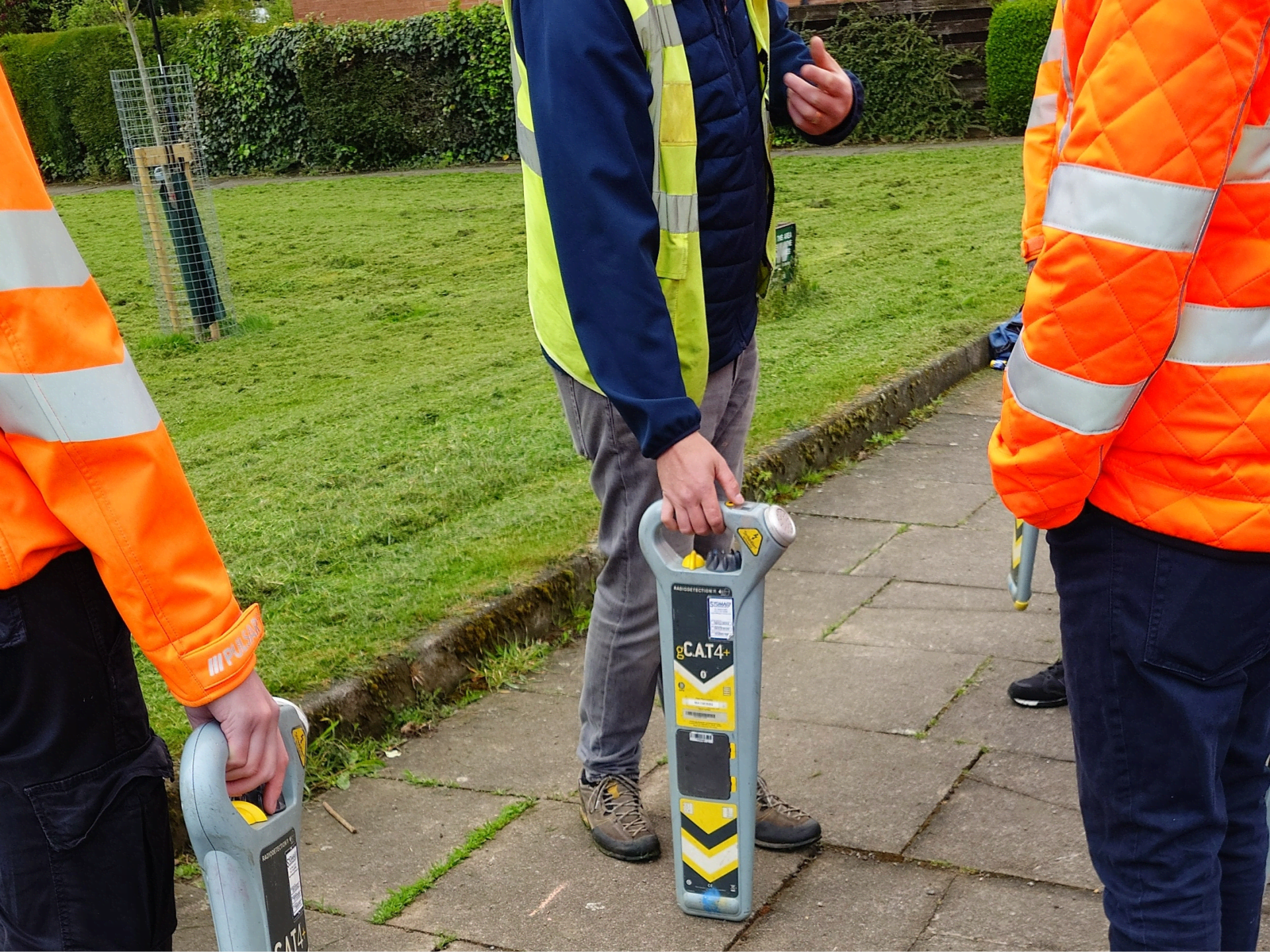
What is CAT and Genny training?
The course teaches operatives to use a cable avoidance tool (CAT) and signal generator (Genny) to find underground services before excavation. Sygma teaches a Genny-First methodology and offers EUSR CAT1, ProQual CAT1, and in-house certification routes.
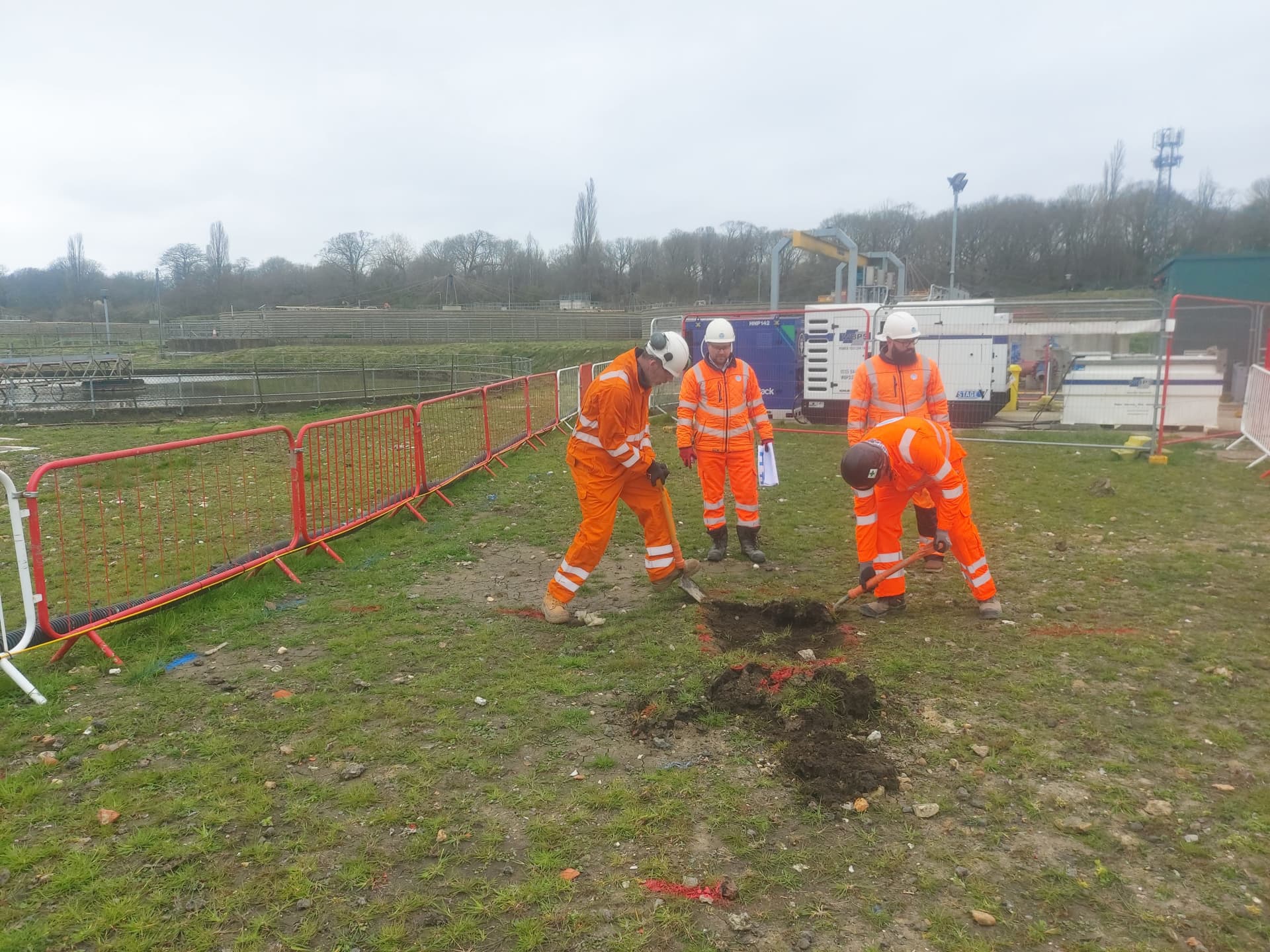
How long does a CAT and Genny course take?
One day, 08:30 to about 15:00, with a written and practical assessment. Two-day formats are available on site: they split classroom and site work, or add the ProQual CAT1 Plus Genny-First assessment on day two.
Can CAT and Genny training be done online?
Classroom theory can be delivered online for awareness and refreshers: Sygma runs live half-day sessions on Microsoft Teams and self-paced courses on the Underground Intelligence Bureau for that (see CAT and Genny training online). The full assessed qualification (EUSR CAT1 or ProQual CAT1) requires a real site practical and cannot be completed entirely online.
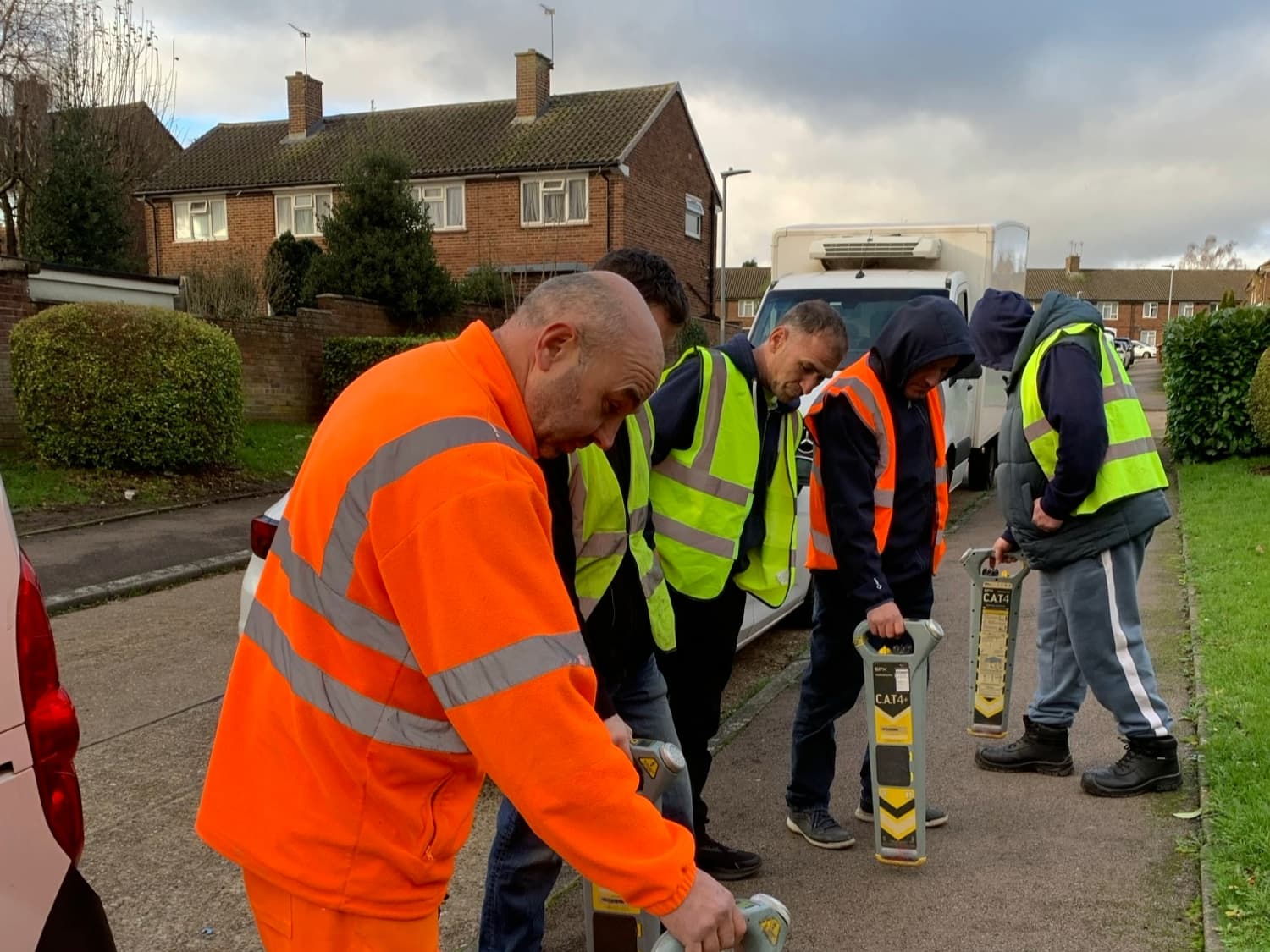
How much does a CAT and Genny course cost?
Open courses at our Wigan centre are from £121 per delegate. On site, it is one fixed price for your group of up to 8 delegates at your premises, travel included, with no hidden extras: contact us for a quote. Certificate fees (EUSR £34, ProQual £35) are charged per person on top of the course fee. CITB-levy employers may access funding via the CITB Employer Network.
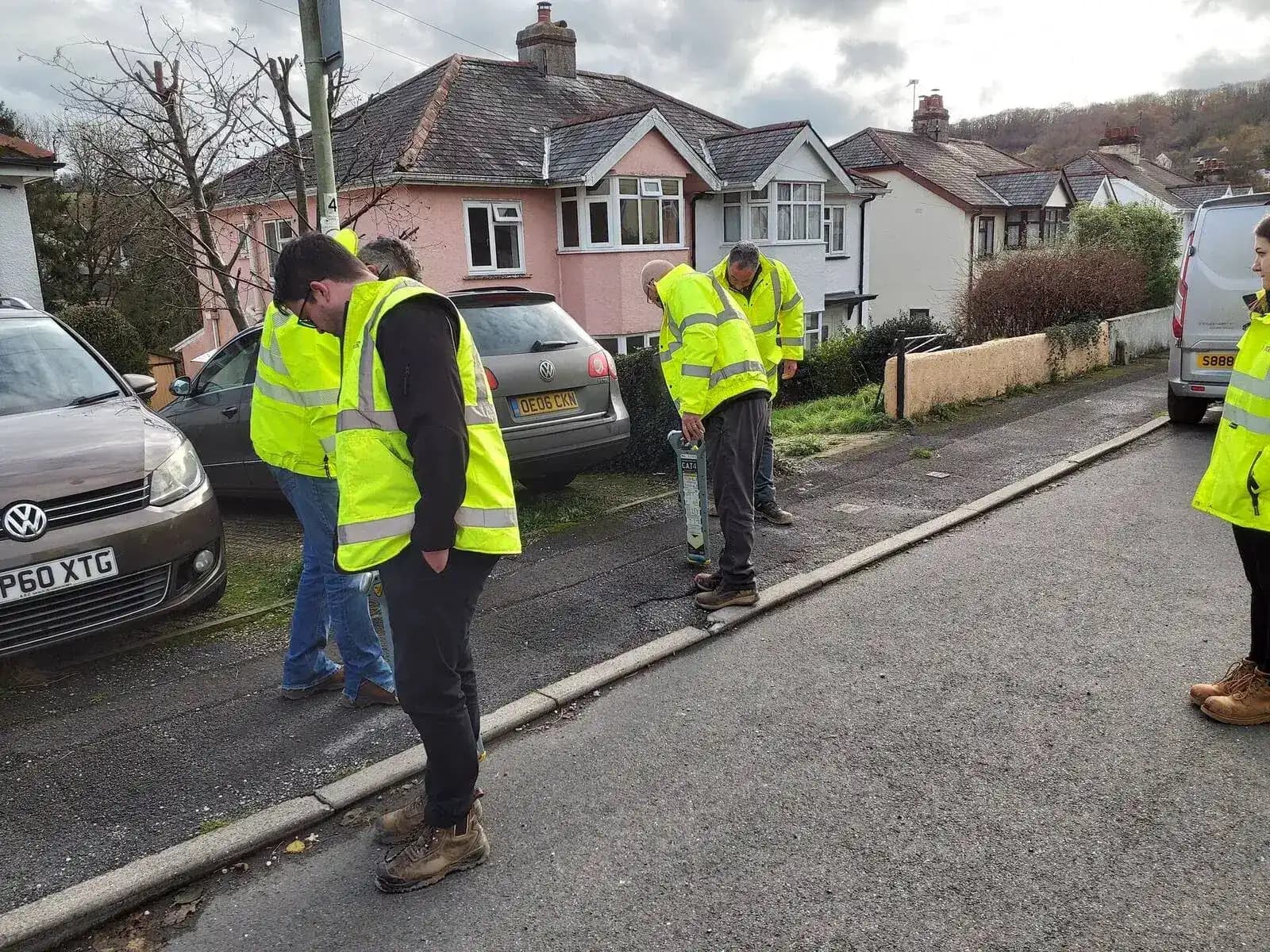
Do you need to be trained to use a CAT scanner?
Yes. HSG47 requires anyone using cable and pipe locating equipment to be trained and competent. CAT scanner training is the same course as CAT and Genny training, since the CAT is the scanner. Most principal contractors and utility companies require a recognised qualification before allowing operatives to use locating equipment on site.
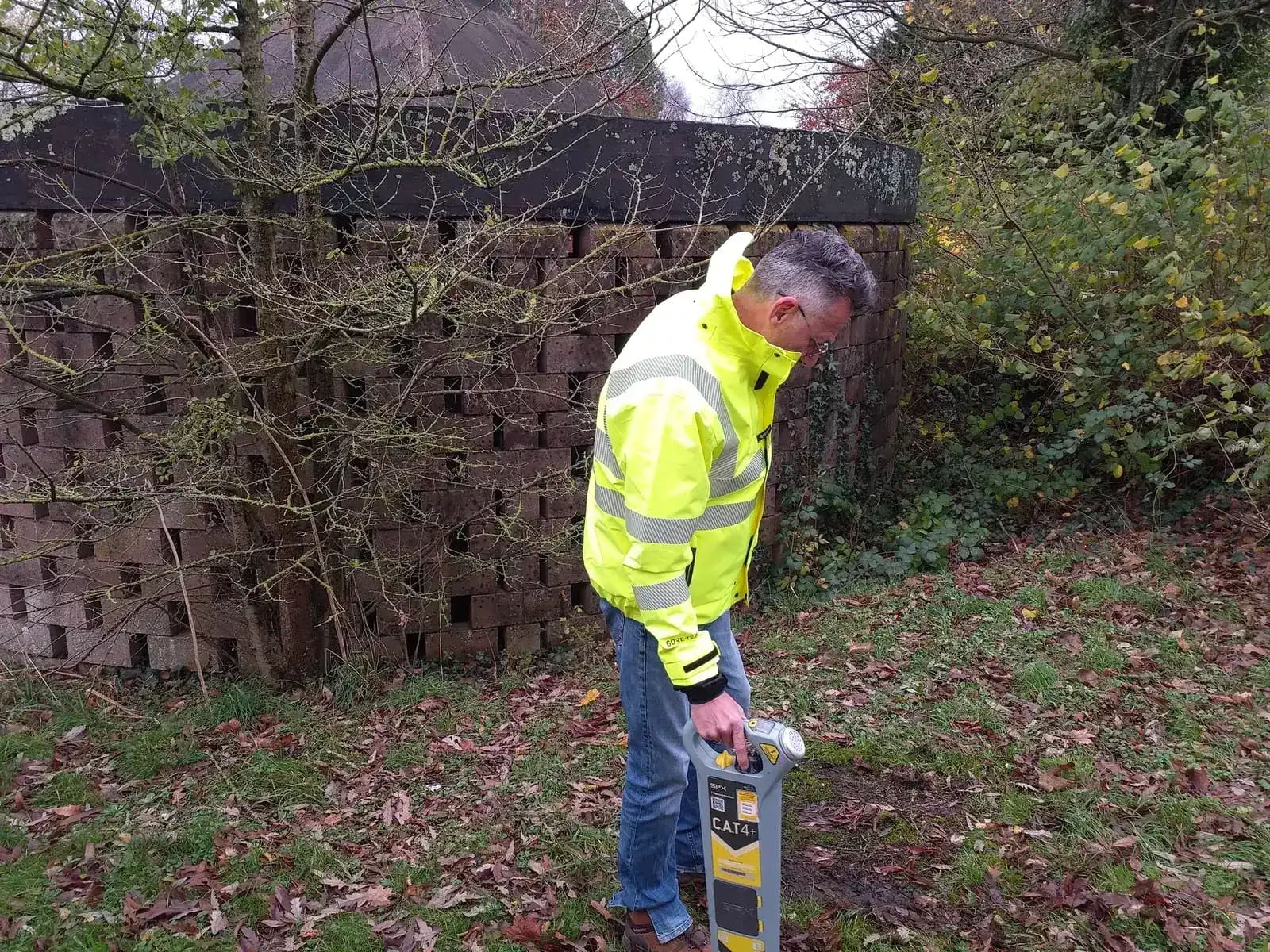
How long is the CAT and Genny qualification valid for?
EUSR CAT1 and ProQual CAT1 certificates are valid for 3 years. Sygma in-house certificates have no fixed expiry, but most employers require refresher training every 3 years.
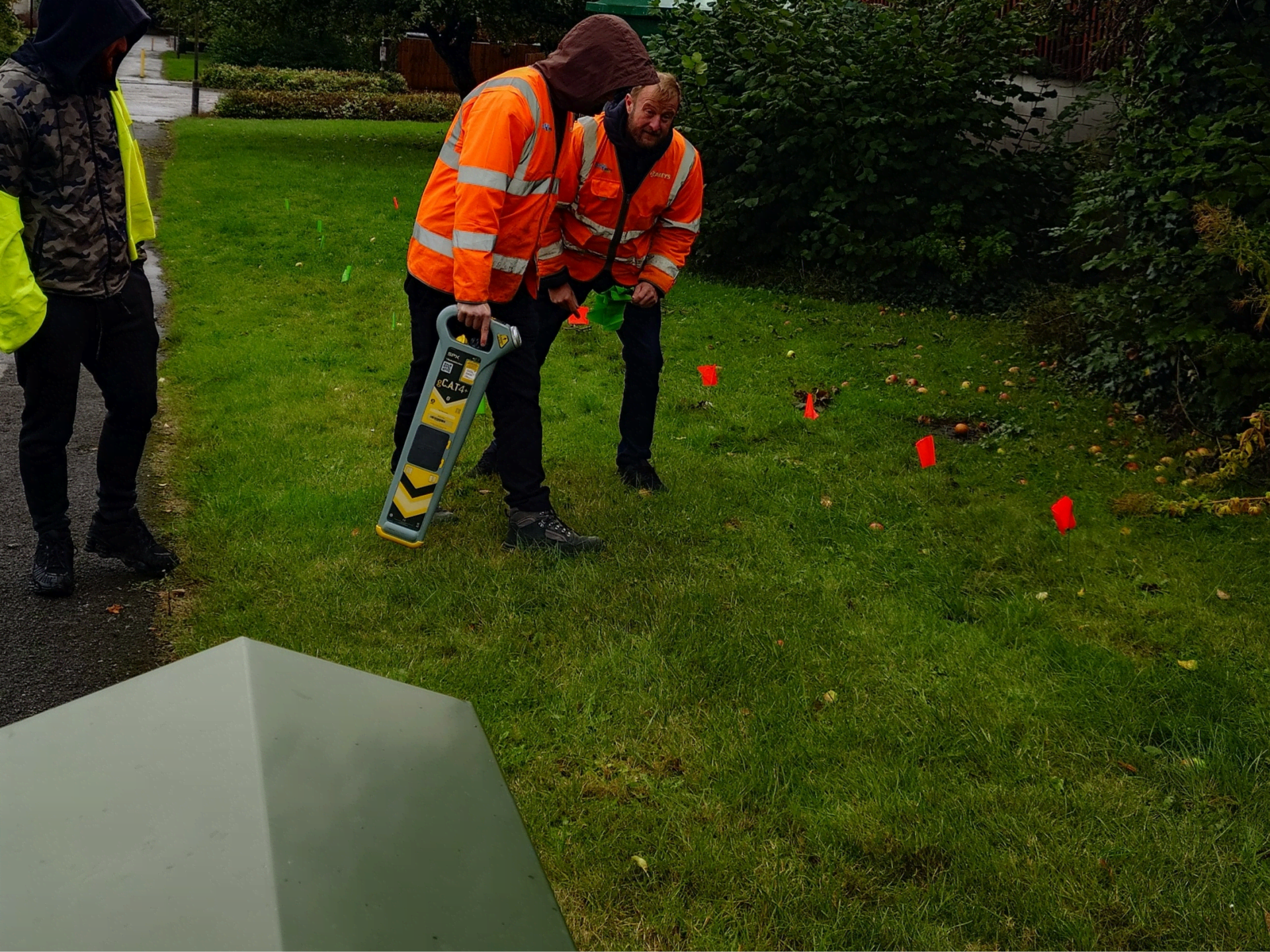
Is EUSR CAT1 the same as EUS CAT1, or the same as CAT and Genny training?
EUSR CAT1 and EUS CAT1 are the same qualification. CAT and Genny training is the broader practical course; EUSR CAT1 is the specific accredited qualification many employers ask for. Booked as EUSR CAT and Genny training, it is this same course with the EUSR Cat 1 certificate. Sygma delivers both, plus ProQual CAT1 and ProQual CAT1 Plus.
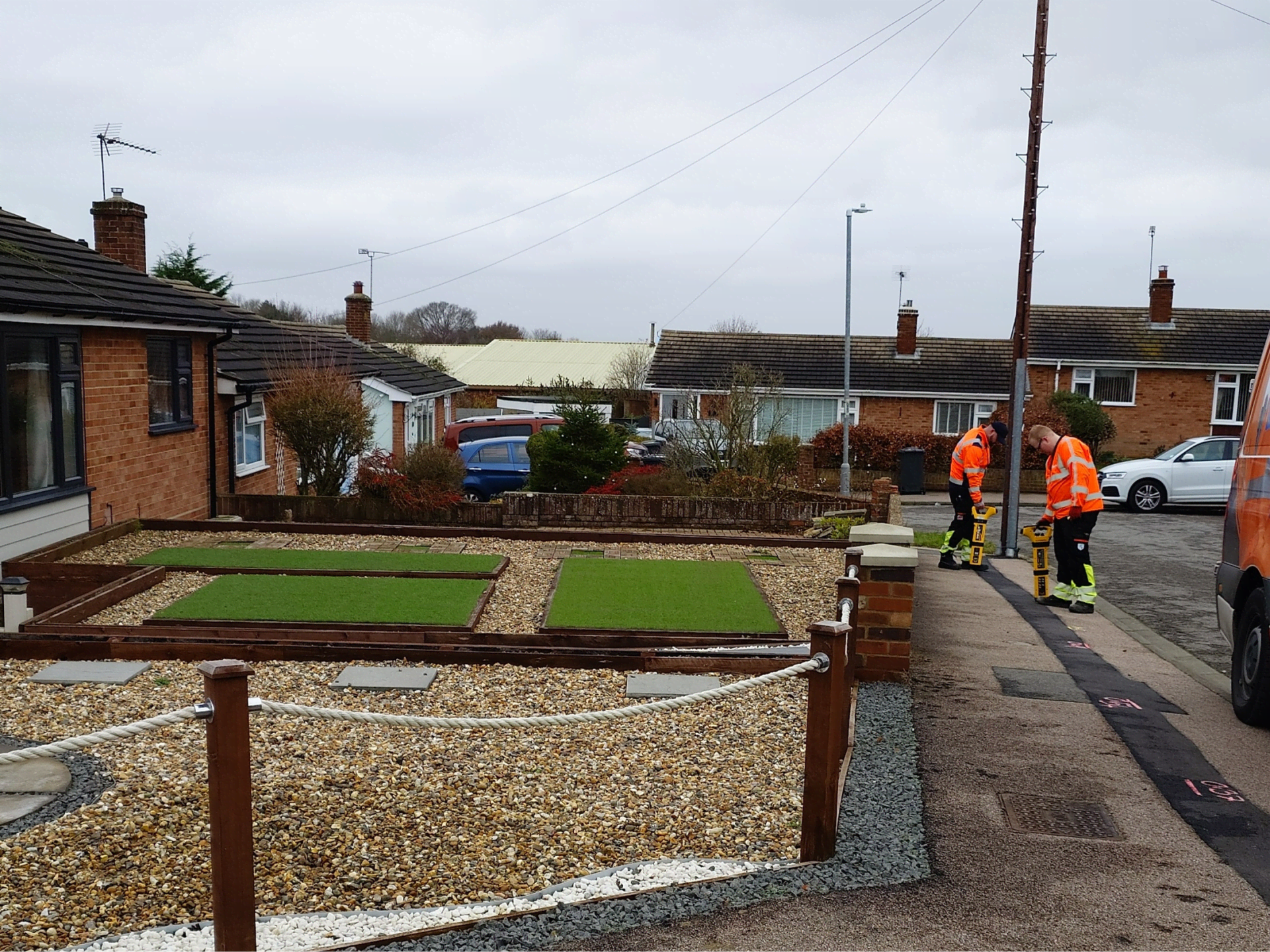
Is cable avoidance training the same as CAT and Genny training?
Yes. Cable avoidance training and CAT and Genny training are the same course under two names the industry uses. Both teach operatives to find buried services before excavation with a cable avoidance tool (CAT) and a signal generator (Genny), and Sygma teaches the Genny first. Whichever name you search for, it is this course, this syllabus and this assessment.
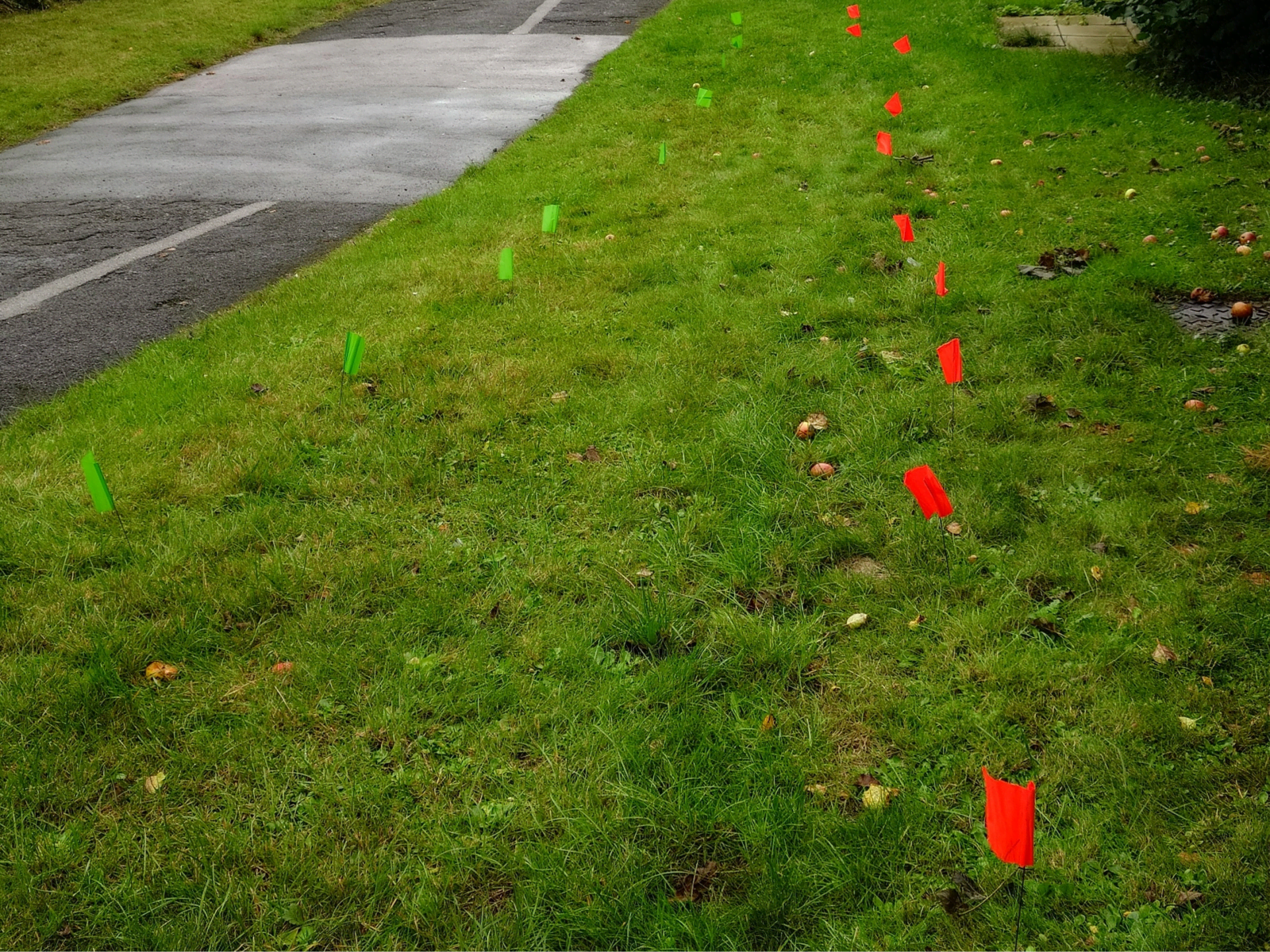
Is cable avoidance training a legal requirement?
HSG47 and the CDM Regulations place a duty on employers to make sure anyone involved in excavation is competent in avoiding danger from underground services. No single law names a specific CAT and Genny certificate, but employers must be able to show their workforce has been properly trained, and most principal contractors and utility companies ask for a recognised qualification such as EUSR CAT1 or ProQual CAT1 before operatives go on site. Inadequate training can lead to enforcement action, fines and prosecution if a cable strike causes injury.
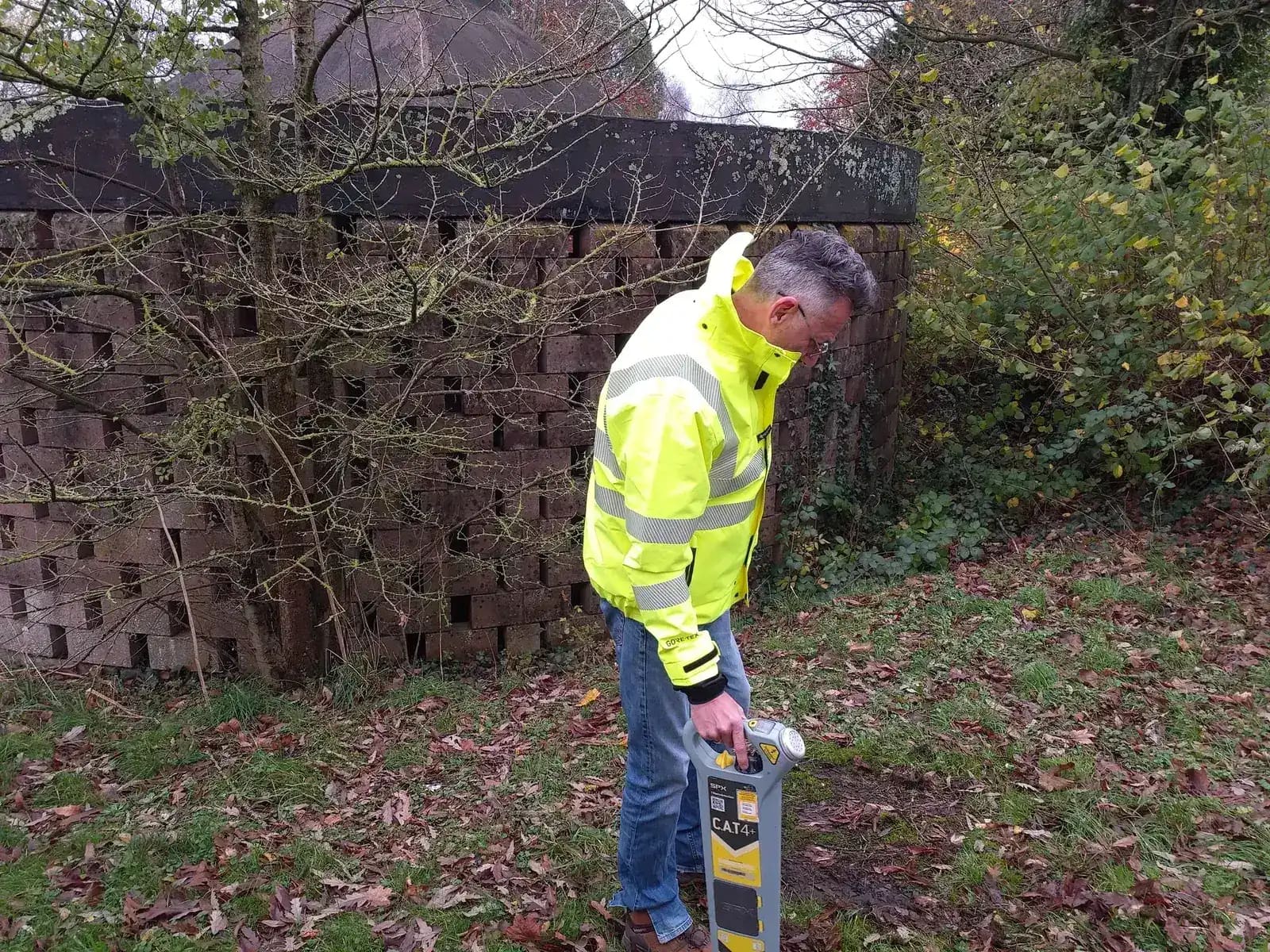
What equipment do our operatives need to bring?
Each operative should bring the Genny and CAT they use on site. Sygma provide Radiodetection CAT4 and Genny4 as backup if delegates do not have their own. Any manufacturer's locator is suitable, including Vivax-Metrotech vLoc, Leica DSX and Radiodetection RD8200 and RD8100. If equipment is shared, allow at least one locator per three delegates.
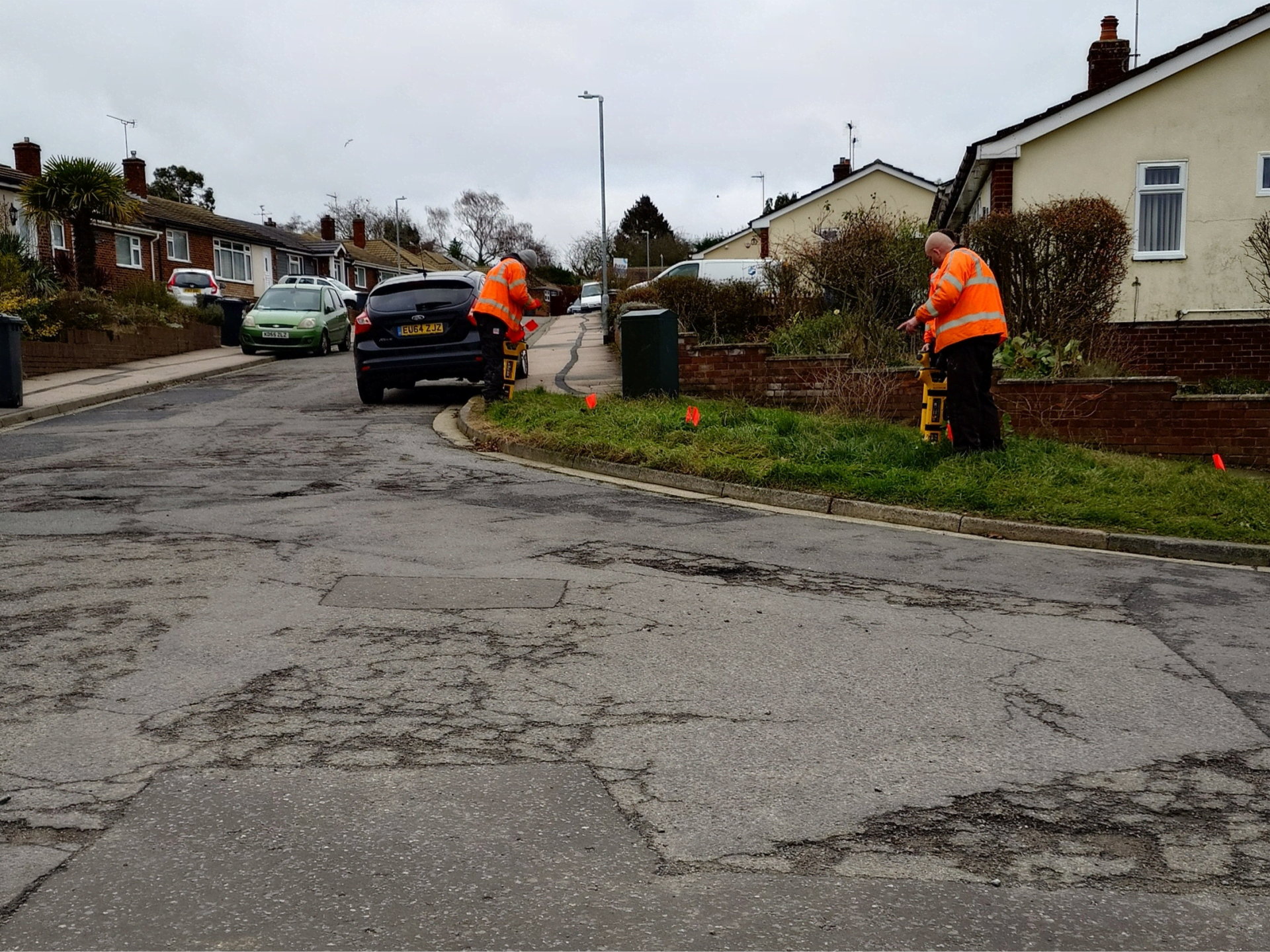
Can the course be tailored to our sites and risk profile?
Yes. On site, the course can take in your own permit to dig, your strike history and lessons learned, site-specific hazards, and your documentation and health and safety procedures. The QTS surface laid cables programme is an example of a course built around one customer's exact needs.
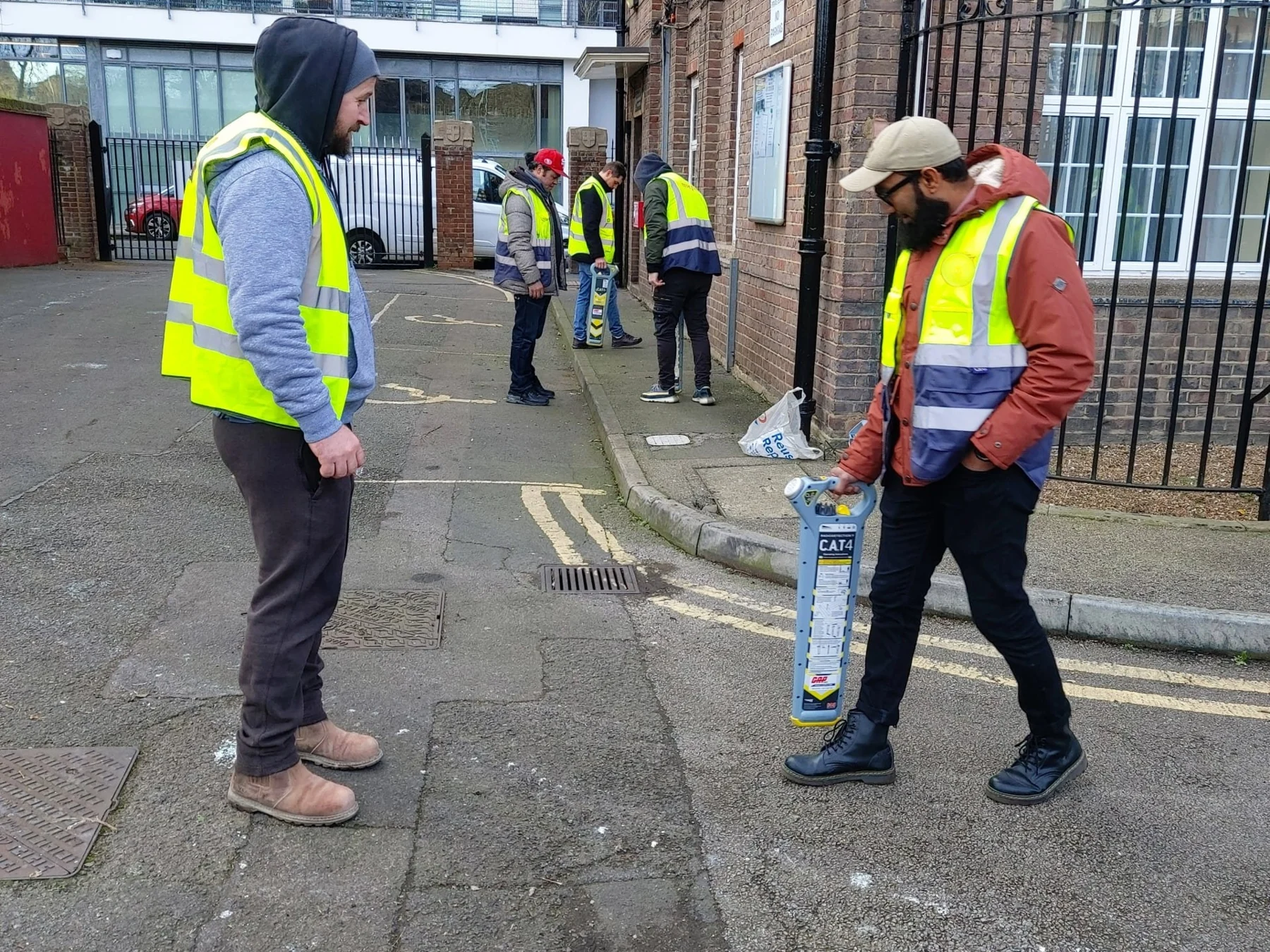
CAT and Genny training near you
Looking for CAT and Genny training near me? You don't have to travel to us: our trainers come to your depot, yard or project compound anywhere in the UK, and travel is included with no hidden extras. With only one or two people to train, book places on an open course at our Wigan centre instead.
We train across London and the South East, including Kent, Surrey, Essex, Hampshire and Southampton; Manchester and the North West; Birmingham and the Midlands; Bristol and the South West; and Scotland and Northern England.
On site, you provide the buried service plans, a room for up to 8 and a practical area with metal services nearby. See everything we need from your site.
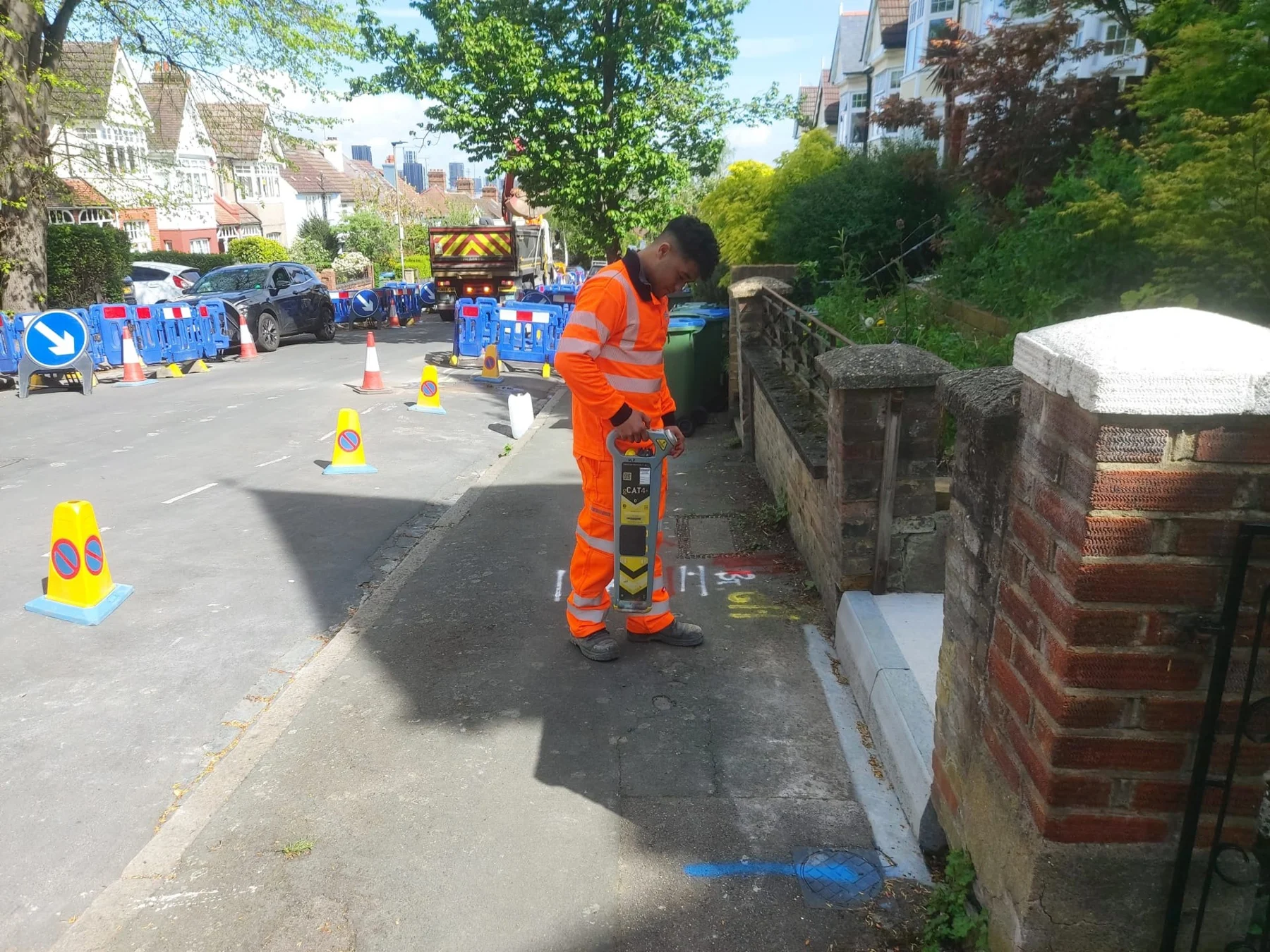
CAT and Genny training and HSG47
HSG47 is the Health and Safety Executive's guidance on avoiding danger from underground services, and it sits behind all cable avoidance work. This course is built around it, and every delegate is assessed against it on real buried services. See our HSG47 Training page for what the guidance requires.
Related Cable Avoidance Training Courses
Sygma also trains at other levels, from one day for site operatives to multi-day qualifications for civil engineers and supervisors.
EUSR CAT1
EUSR-registered qualification for operatives who need a formal card.
View EUSR CAT 1 Training →ProQual CAT1
Accredited qualification with all four EML modes in the practical assessment.
View Course →vScan & Tx Training
The Vivax-Metrotech vScan and transmitter equivalent of this course, using the same Sygma methodology.
View Course →CAT and Genny Training Online
Live half-day theory sessions on Teams and self-paced Bureau courses. It pairs with on-site training; it does not replace it.
View Course →Related reading
- Genny-First Methodology
- How to use a Genny and CAT (video)
- Earthing a Genny, the signal clamp and induction (video)
- CAT Power and Radio modes: what passive scanning misses (video)
- Reading utility plans: what the drawings do not tell you (video)
- Strike Prevention for Site Managers
- EUSR Card Renewal
- Detecting Plastic Gas Service Pipes
- OSCA on-site competency assessment
- Bespoke training for your sites
Book Your CAT and Genny Training
We deliver cable avoidance training on site anywhere in the UK, using your own equipment and plans, or at our Wigan centre. Contact us for a quote.