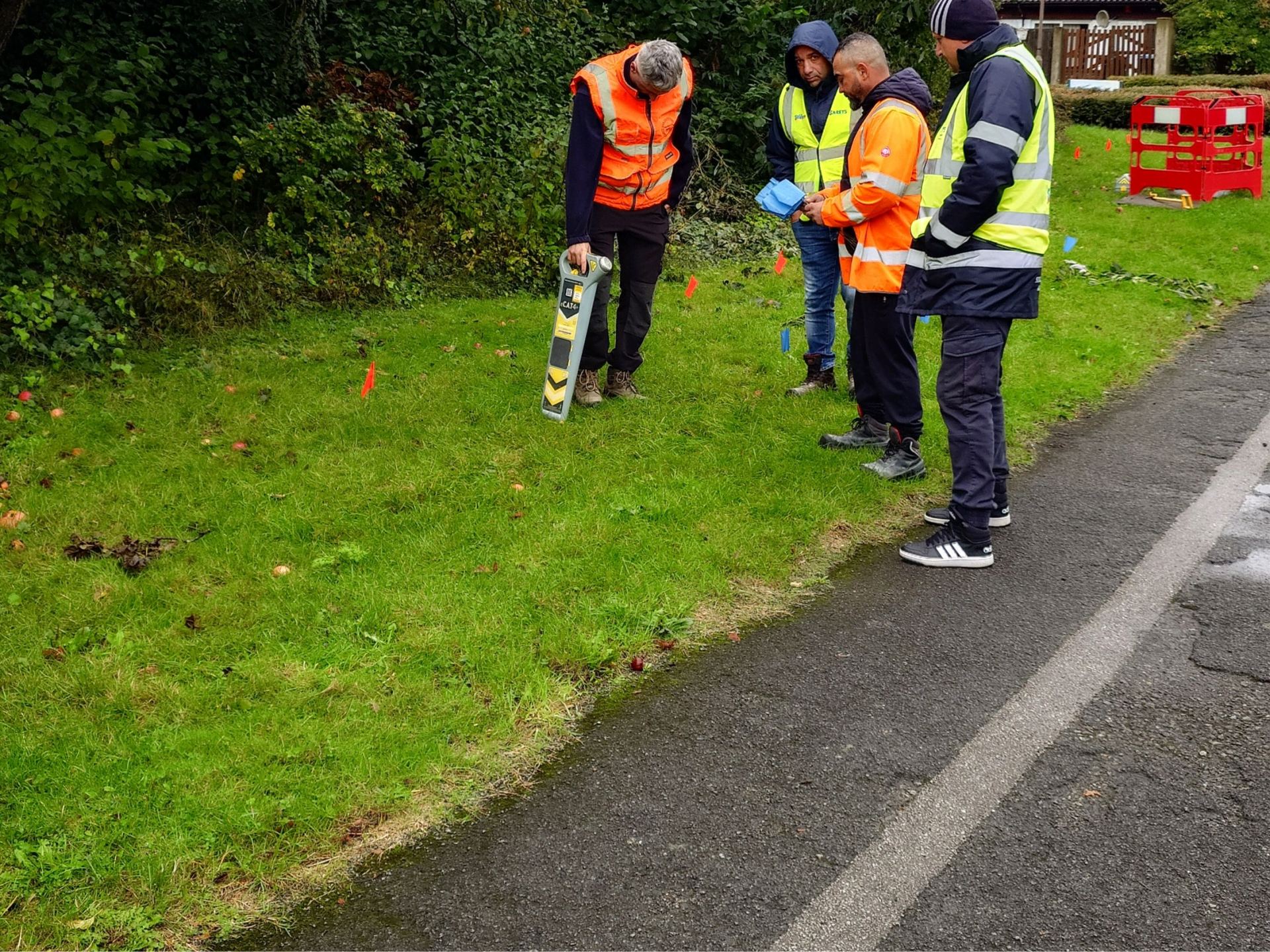
Knowledge Hub
Practical Knowledge for Underground Utility Professionals
Guides, explainers, and technical resources on utility location, avoidance, and mapping. Written by Sygma's specialist trainers.
Sygma publishes technical guides, industry explainers, case studies, and training insights for teams working around buried utilities. Every article is written or reviewed by our specialist trainers and draws on two decades of field delivery across the UK.
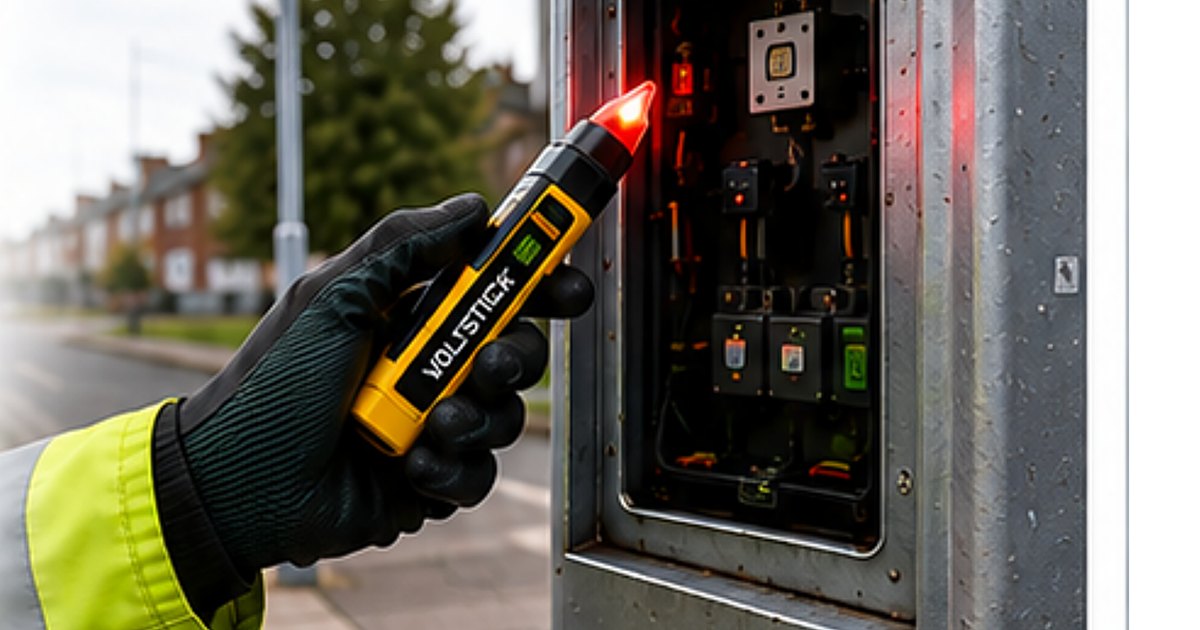
Test Before Touch: Voltsticks on Street Furniture
Lighting columns, feeder pillars, traffic signals and EV points can all go live. Why a voltstick check before contact is the simplest control on site, and how to roll it out.
Read more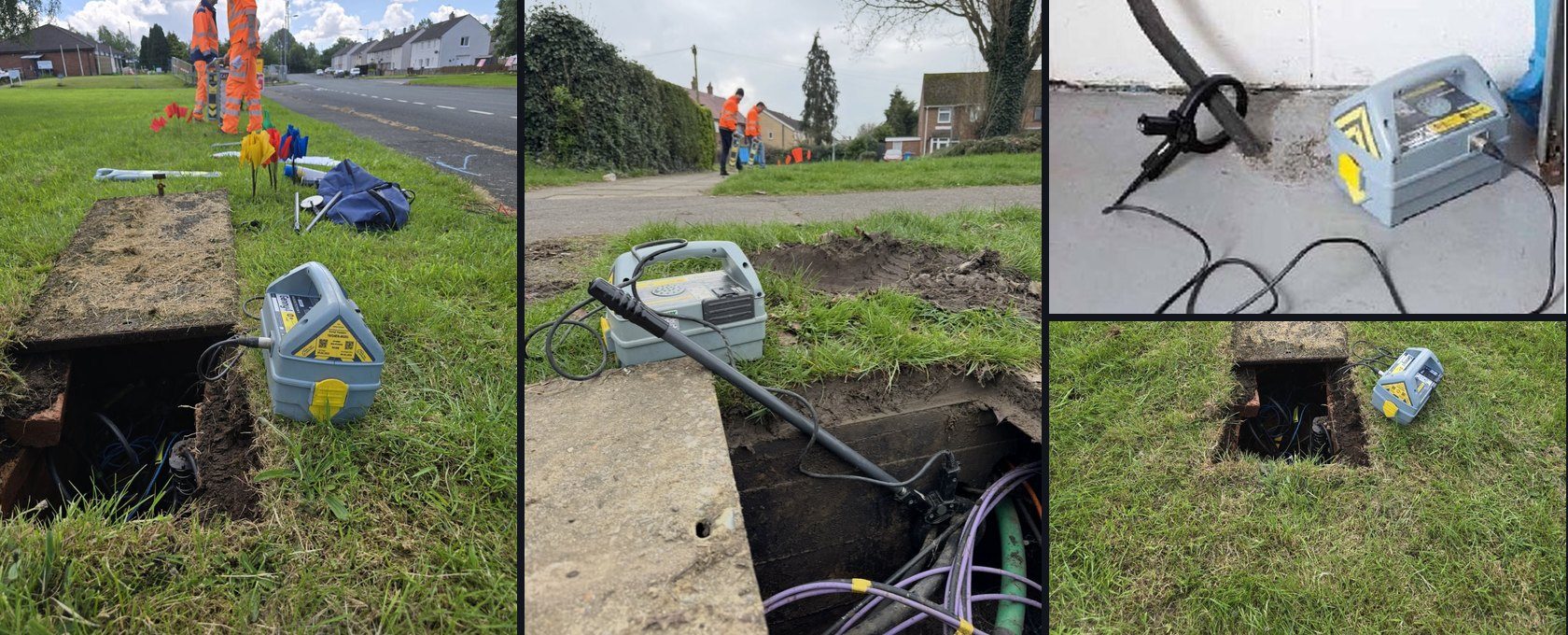
The Signal Clamp: What It Does, and When You Need One
A Genny and CAT find most buried services, but not all. What a signal clamp does, how it compares with direct connection and induction, and where it earns its place on site.
Read more
The AML Pro: Fourteen Years on Sale, and No Proof It Works
Start here. What we found on the SubSurface Instruments AML Pro, every claim it is sold on with the evidence, and links to all five pieces.
Read moreThe AML Pro: Does It Work?
The five-minute version. What the AML Pro is, what it costs, what it is sold on, and why both of the claims it is sold on are false.
Read more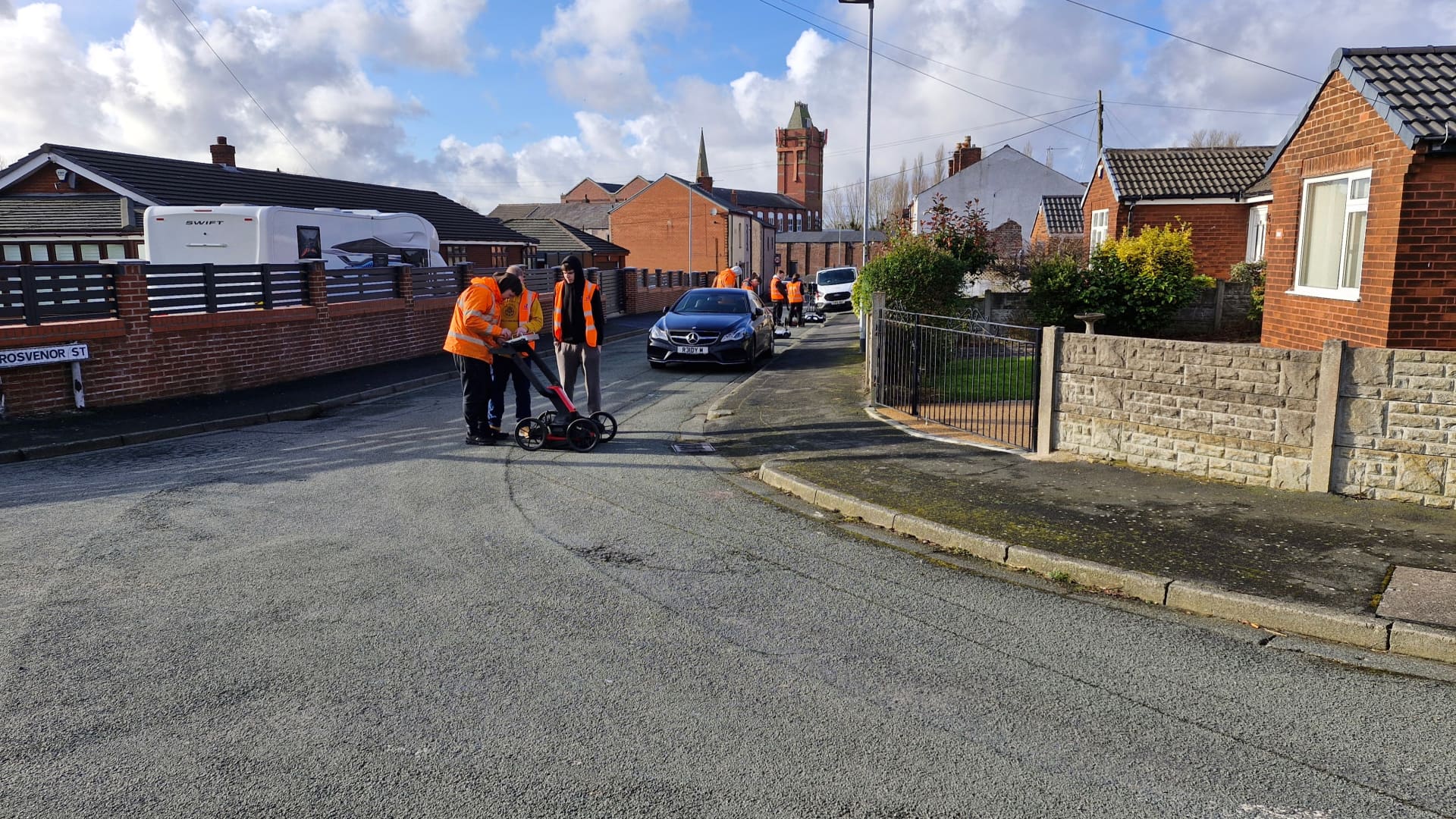
The AML Pro by SSI Locators: A Physics-Led Investigation
An evidence-led examination of the SubSurface Instruments AML Pro pipe locator: the 2.45 GHz physics, the patent record, and where it sits in UK PAS 128 and HSG47 practice.
Read moreThe One Specification They Have Never Published
Radio equipment sold in Great Britain must state its maximum transmitted power. The AML Pro states its frequency everywhere and its power nowhere, so we worked it out from the manufacturer's own certification file.
Read moreWhat Has the AML Pro Got in Common With a Ouija Board?
The physics says a 2.45 GHz handheld cannot find plastic pipe at twenty feet. So why do people come back from site saying it worked? The answer is in the manufacturer's own operating instructions.
Read moreThe Korean Study Said to Prove the AML Pro Works, Taken Apart
A 2025 paper is being put to buyers as proof that the AML Pro works. Its own tables contradict its conclusions and its accuracy figures cannot all be true. Section by section, with the working shown.
Read more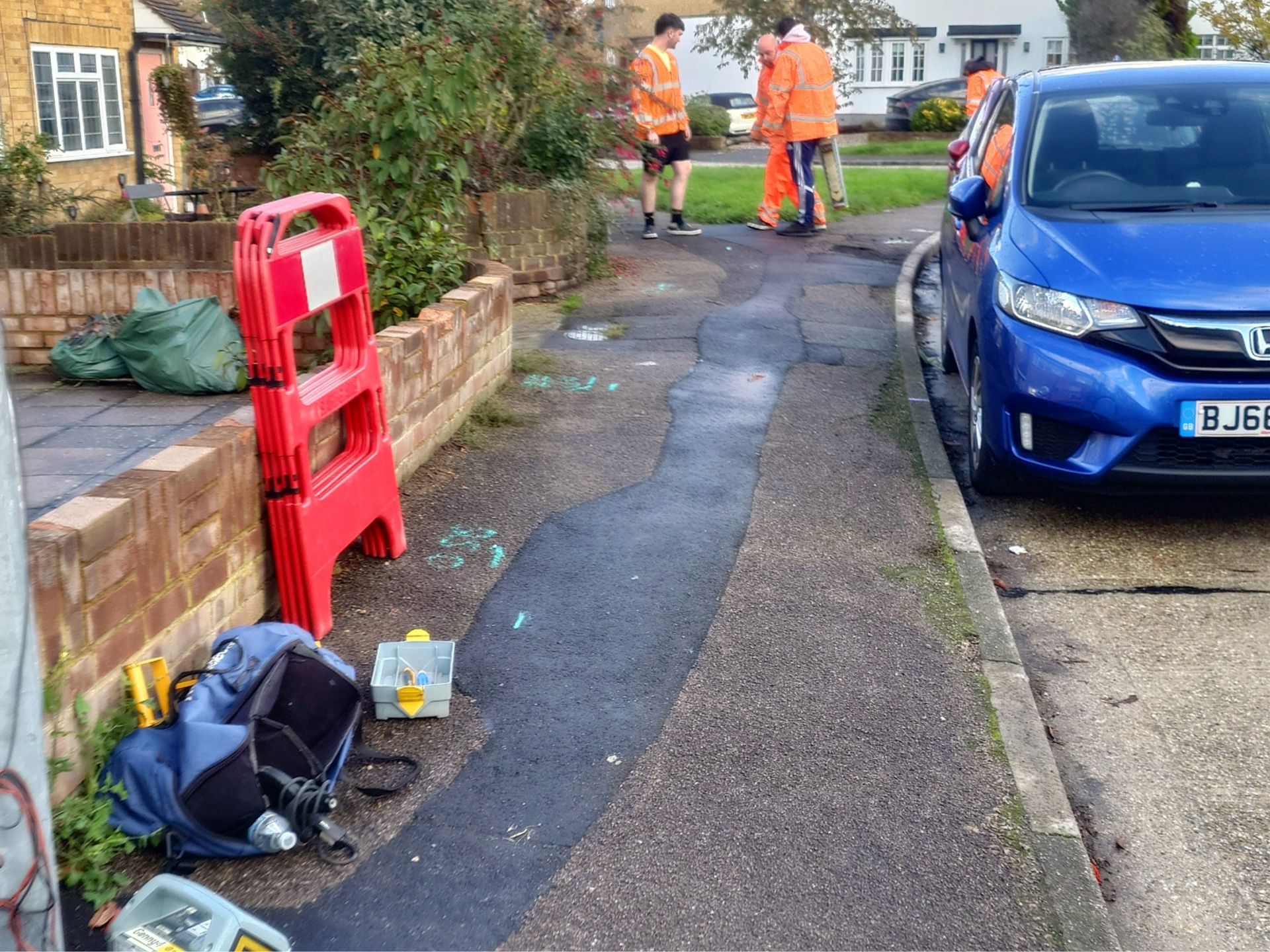
Detecting Plastic Pipes: Methods and Their Limits
Why CAT and Genny can't find plastic gas or water pipes, and what each alternative (acoustic, sonde, GPR, tracer wire, trial holes) can and can't do on a real UK site.
Read more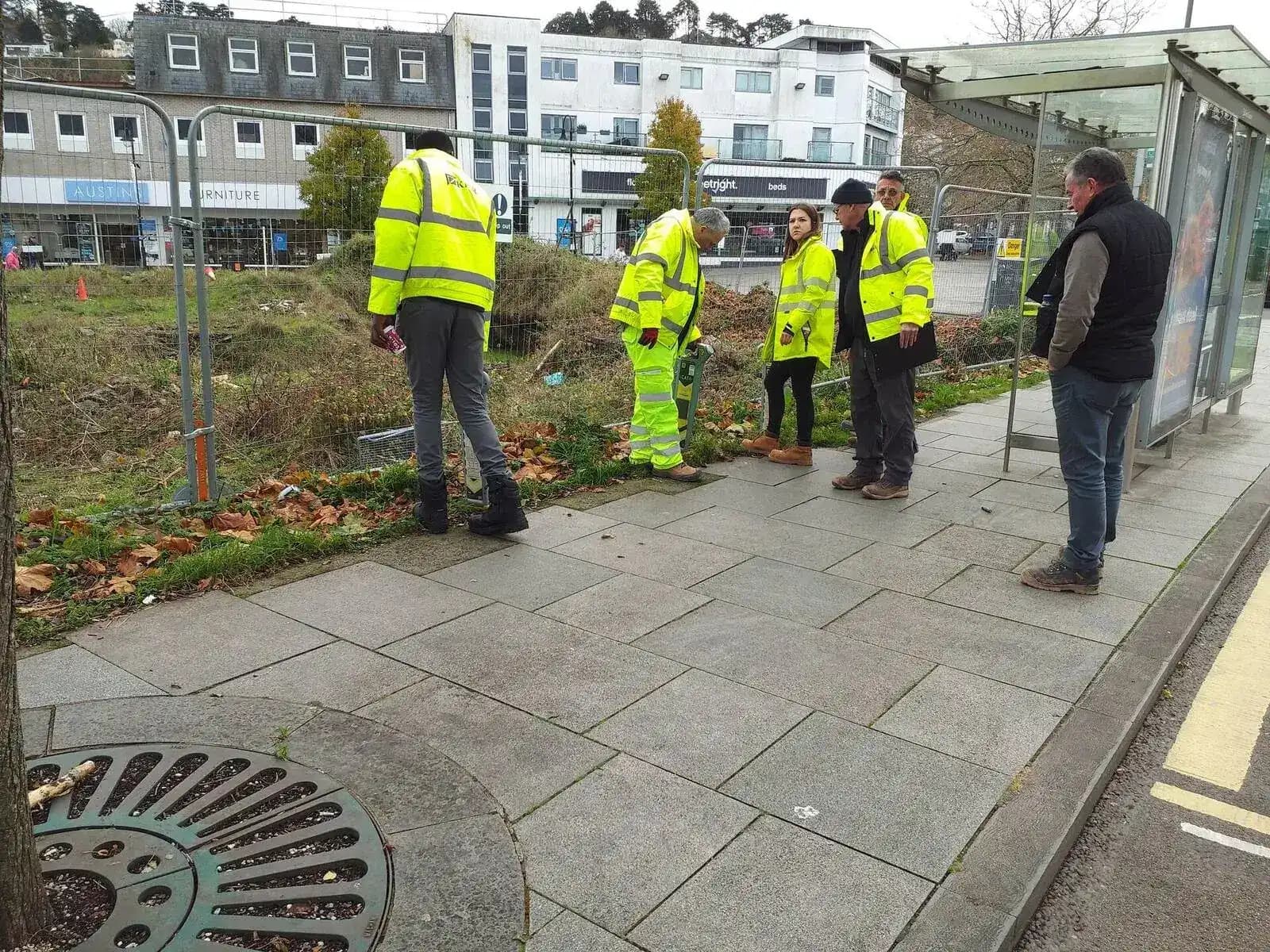
4 Behaviours That Can Cause Cable Strikes on Site
Most cable strikes trace back to the same four failure patterns in the pre-excavation survey. Understanding them is the first step to preventing them.
Read more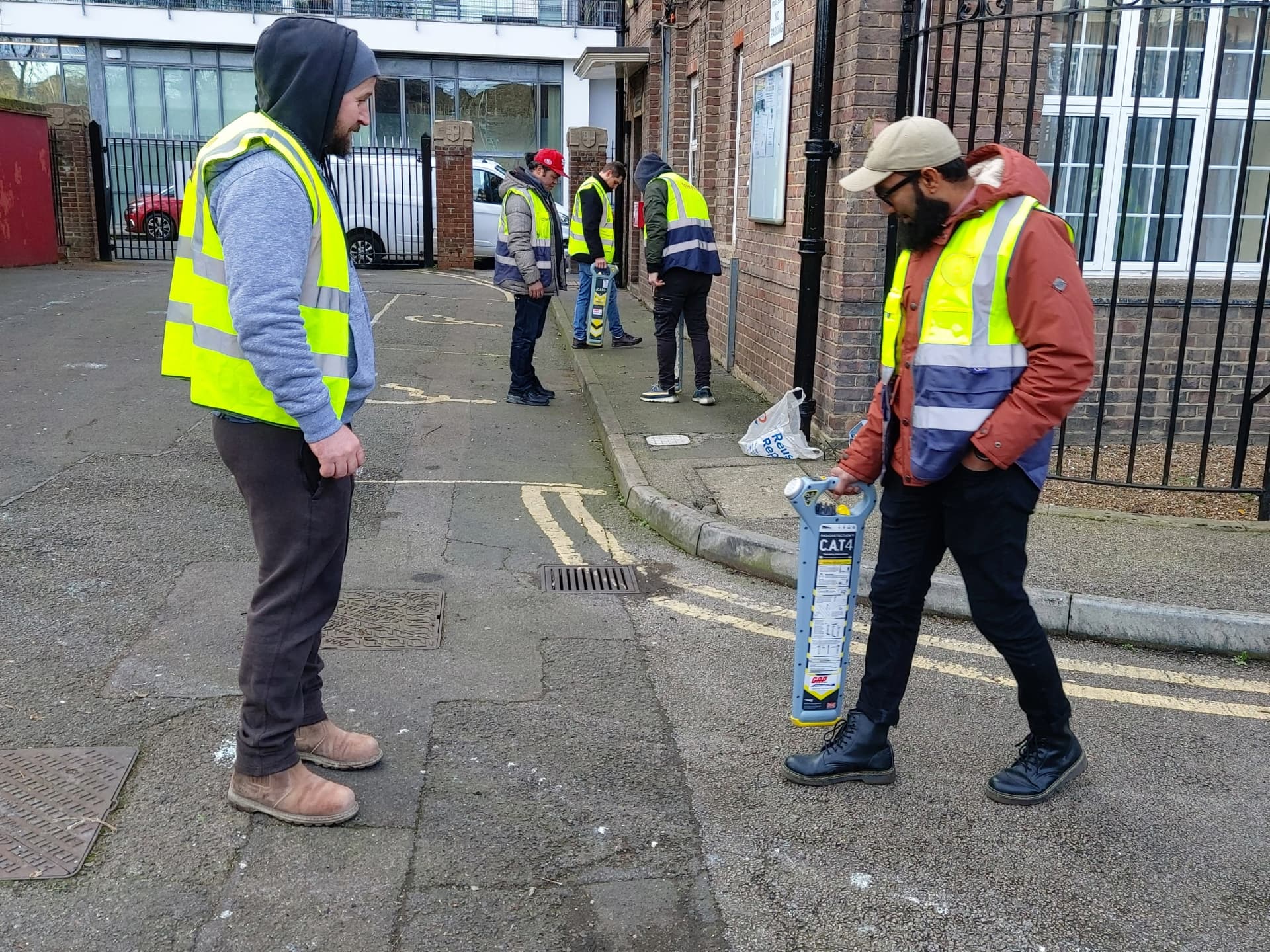
Why You Should Always Connect the Genny First
Passive detection alone is not enough. Sygma's Genny-First methodology and why it produces measurable improvements in site safety.
Read more
Finding PME Cables
Most modern house services are PME, combined-neutral cables, and to a CAT used the standard way they are close to invisible. Why the cable is quiet by design, and the direct-connection technique that finds it.
Read more
CAT & Genny Training: The Genny First Approach Explained
Watch our training video on why the standard Power, Radio, Genny sequence is the wrong way round — and what the manufacturer manuals have been saying all along.
Watch video
Locating and Avoiding Street Lighting Cables
The street lighting toolbox talk: connecting the Genny at the column, water for an earth, why the connection works, the method on a real site, and fixing a spiky all-or-nothing signal.
Watch video
Genny and CAT Direct Connection: Street Lighting, LV and Telecoms
Six minutes on a real street: setting up and earthing the Genny4, connecting at a lighting column, what to do when the column is concrete, gas risers, and the approvals you need before a telecoms lid comes up.
Watch video
CAT and Genny Training Video: The Full Method in 10 Minutes
The whole method end to end in under ten minutes: pre-use checks, applying a signal, locating, pinpointing, airborne signal checks and taking a depth reading.
Watch video
CAT and Genny Training Webinar: Signal Application
The full 72-minute webinar. Signal application from first principles: why you start with street lighting, the two ways lighting is wired, dual frequency, earthing the transmitter, and where the signal actually goes once you have applied it.
Watch video
How to Locate HV Cables with a CAT and Genny
HV are the hardest cables to detect. Where you can and cannot get a connection, the two-man parallel sweep, the blind induction sweep, and how to null out the LV to see what is underneath.
Watch video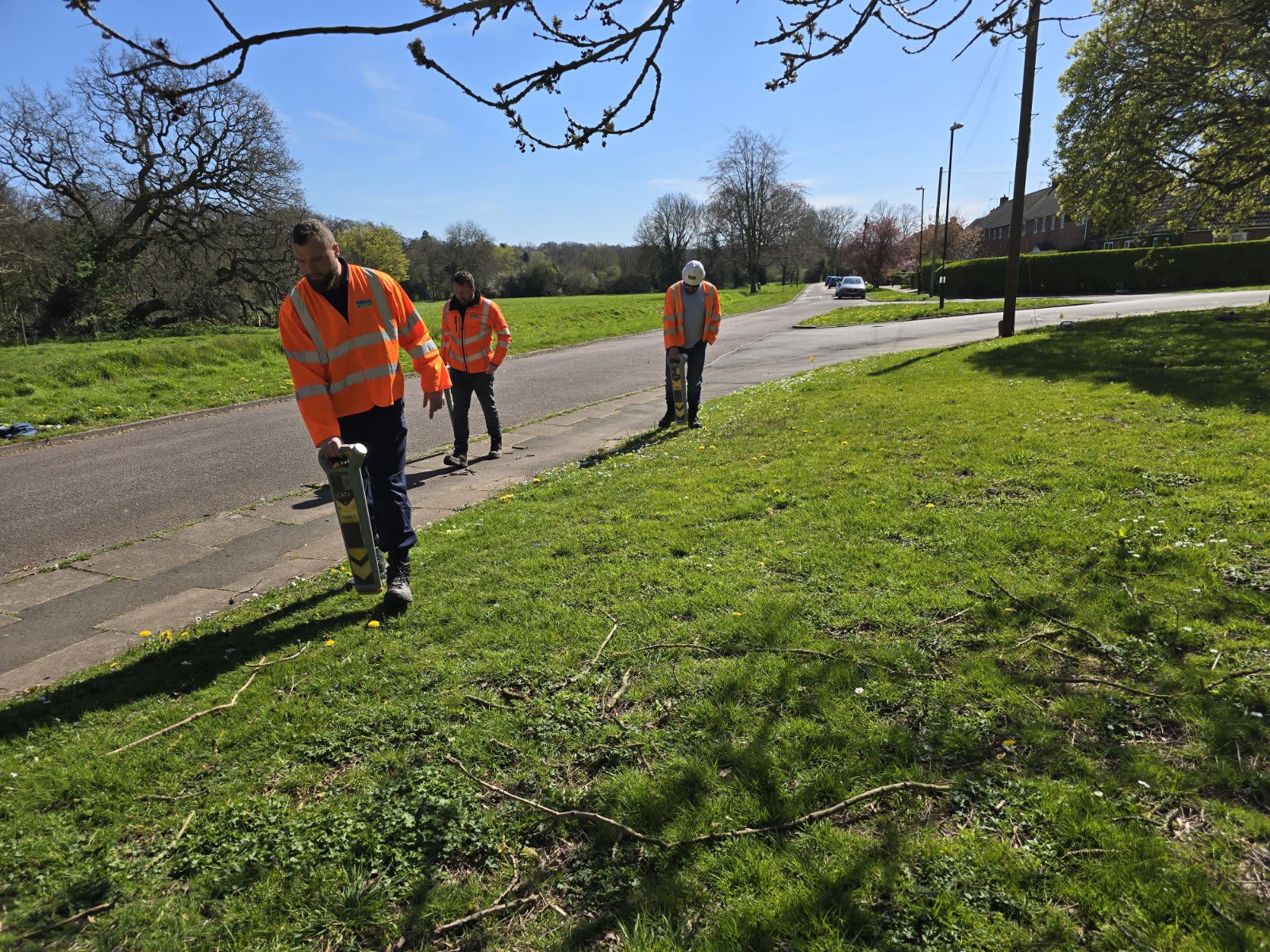
OSCA: The Case for On-Site Assessment
A three-year certificate confirms an operative passed a course. It does not confirm what they are doing on site today. How OSCA fills that gap.
Read more
EUSR CAT1 vs ProQual CAT1: Which One Does Your Operative Need?
These are not equivalent qualifications. This guide explains why ProQual CAT1 is a significantly more thorough assessment and helps you choose the right one for your team.
Read more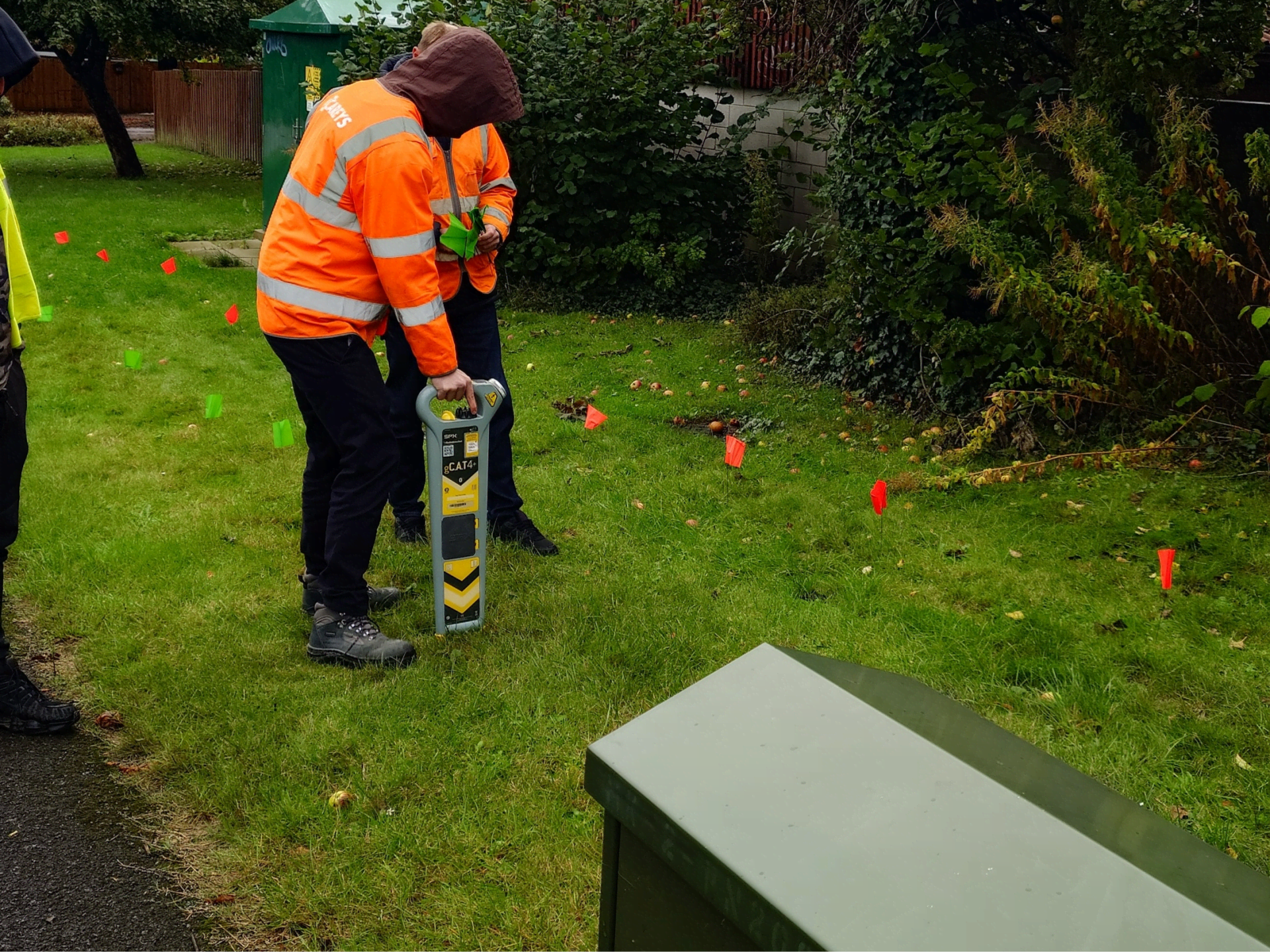
CITB Funding for Utility Training: The 2026 Position
How the CITB Employer Network model works, what it means for your training budget, and how Sygma can help you access it.
Read more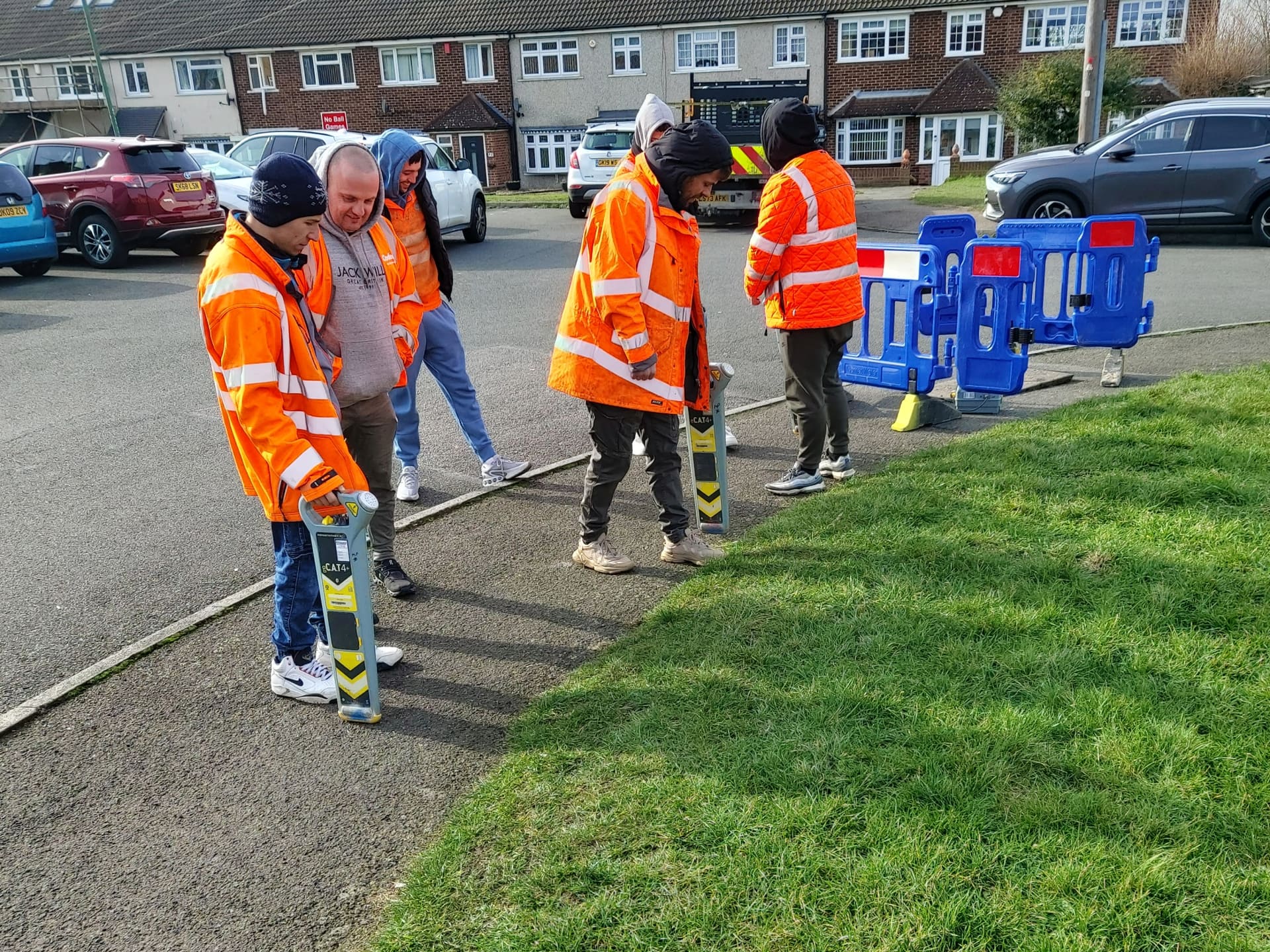
Understanding PAS 128: A Guide for Contractors and Clients
What PAS 128 covers, what the different survey types require, and why operatives working on PAS 128 projects need specific training.
Read more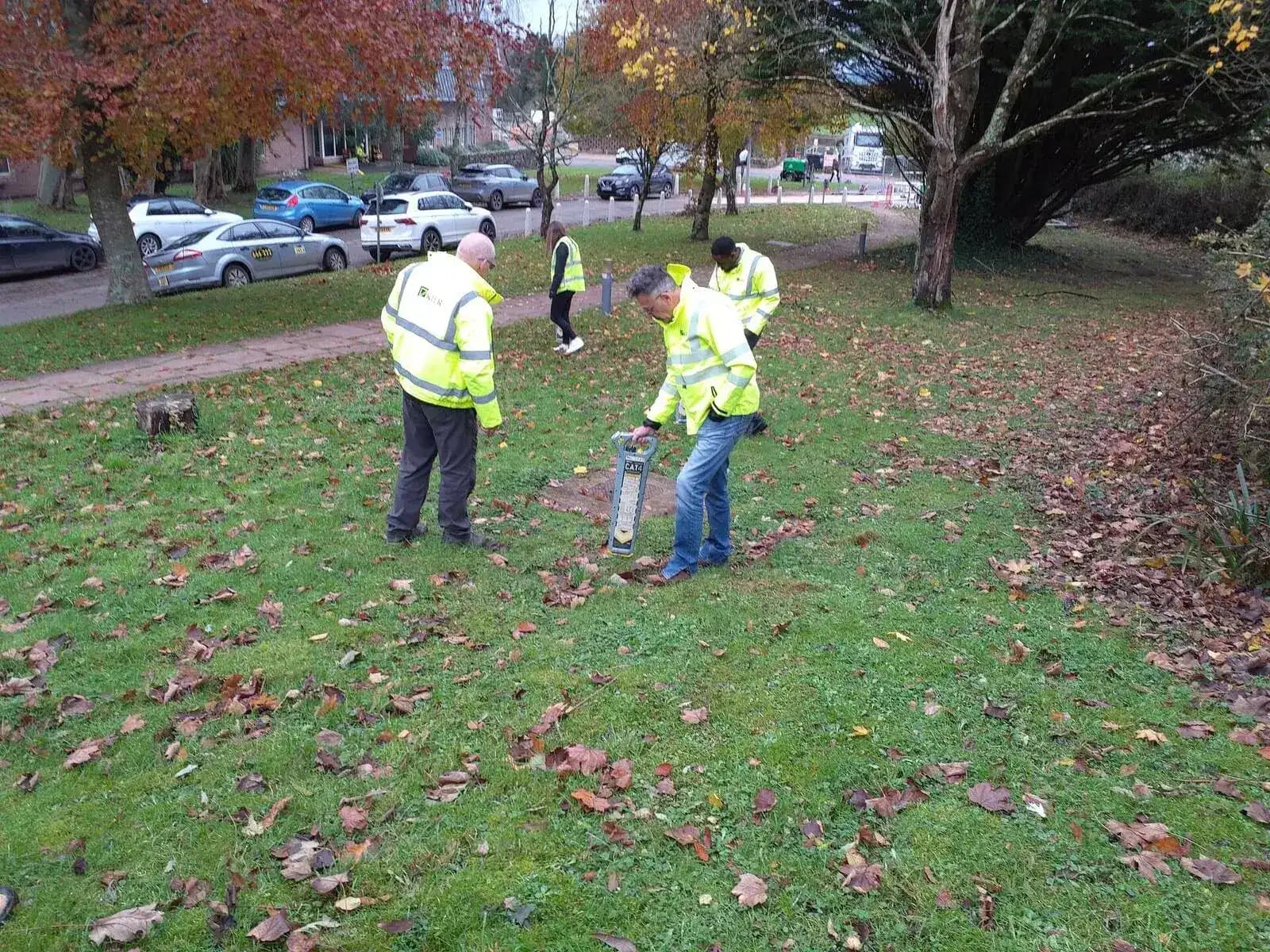
HSG47 Explained: What It Requires and Who It Applies To
HSG47 is the principal guidance document for avoiding danger from underground services. What it requires, who it applies to, and the assessed training that meets it.
Read more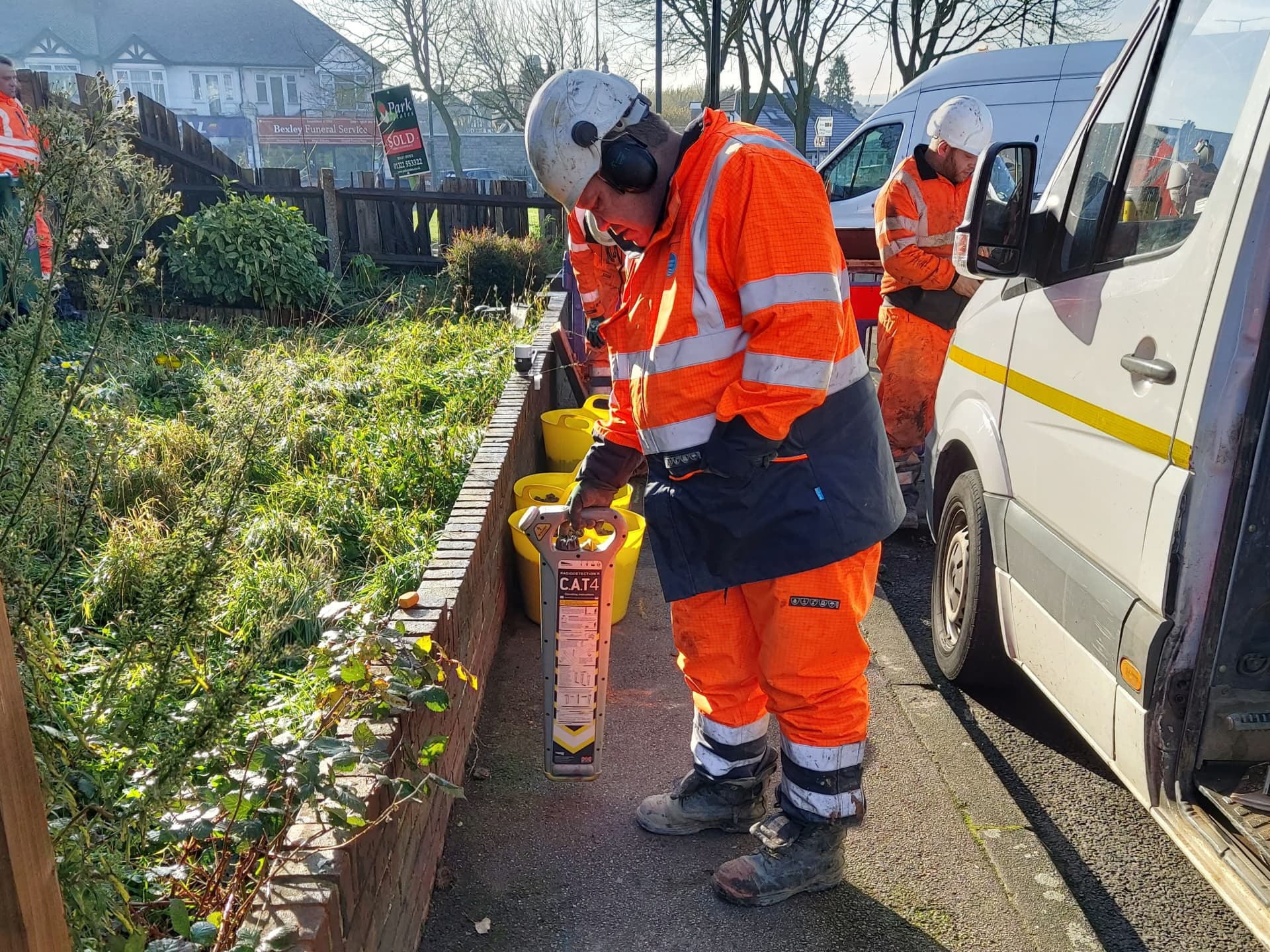
When Does Your Organisation Need a Bespoke Training Programme?
Standard courses solve generic problems. Bespoke programmes solve specific ones. This piece explains how to tell the difference and when to invest in a bespoke approach.
Read more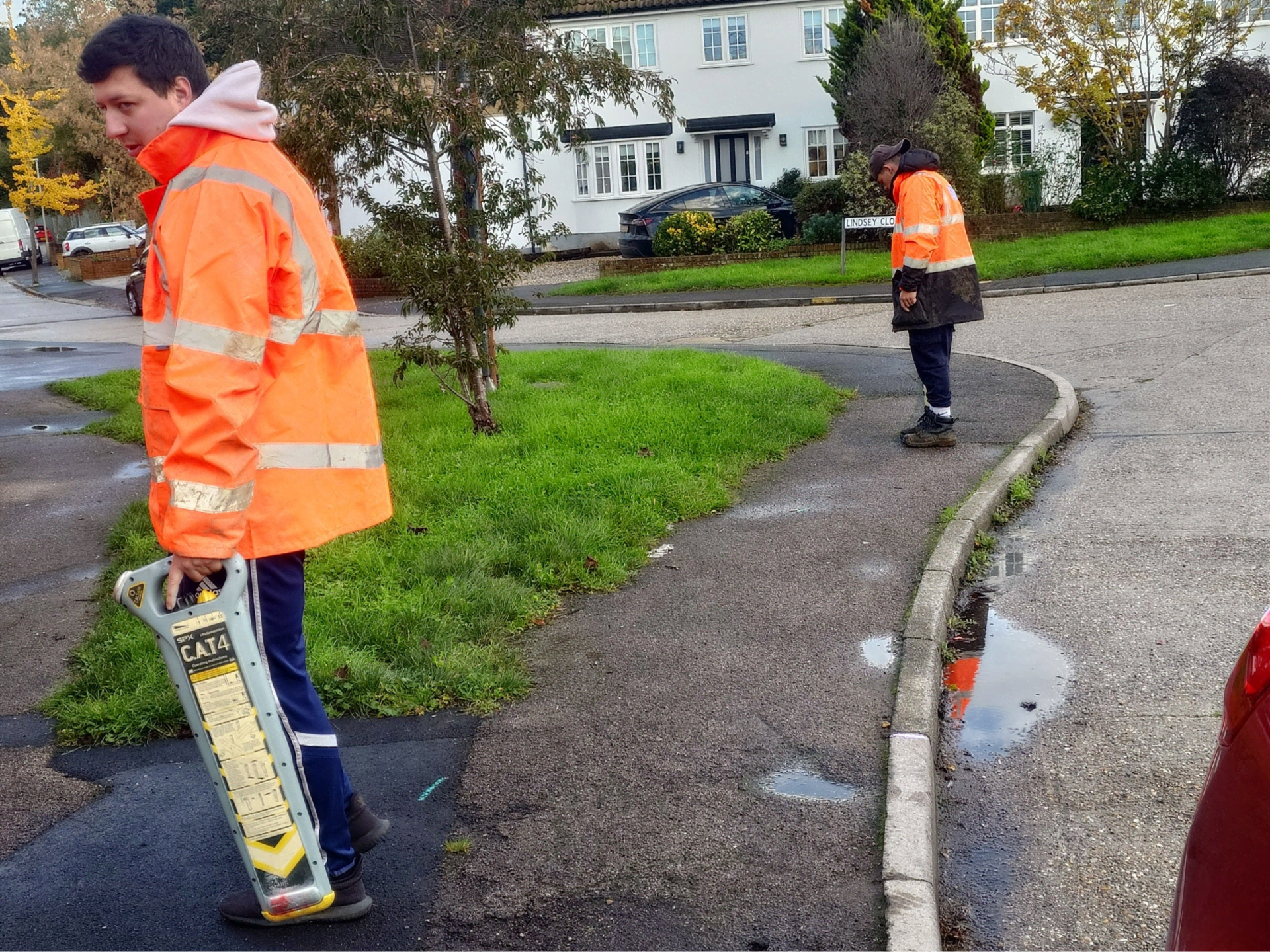
How to Renew Your EUSR Card
Your EUSR card has expired or is about to expire. This guide explains the EUSR card renewal process, what happens if your card lapses, and how to rebook your training.
Read more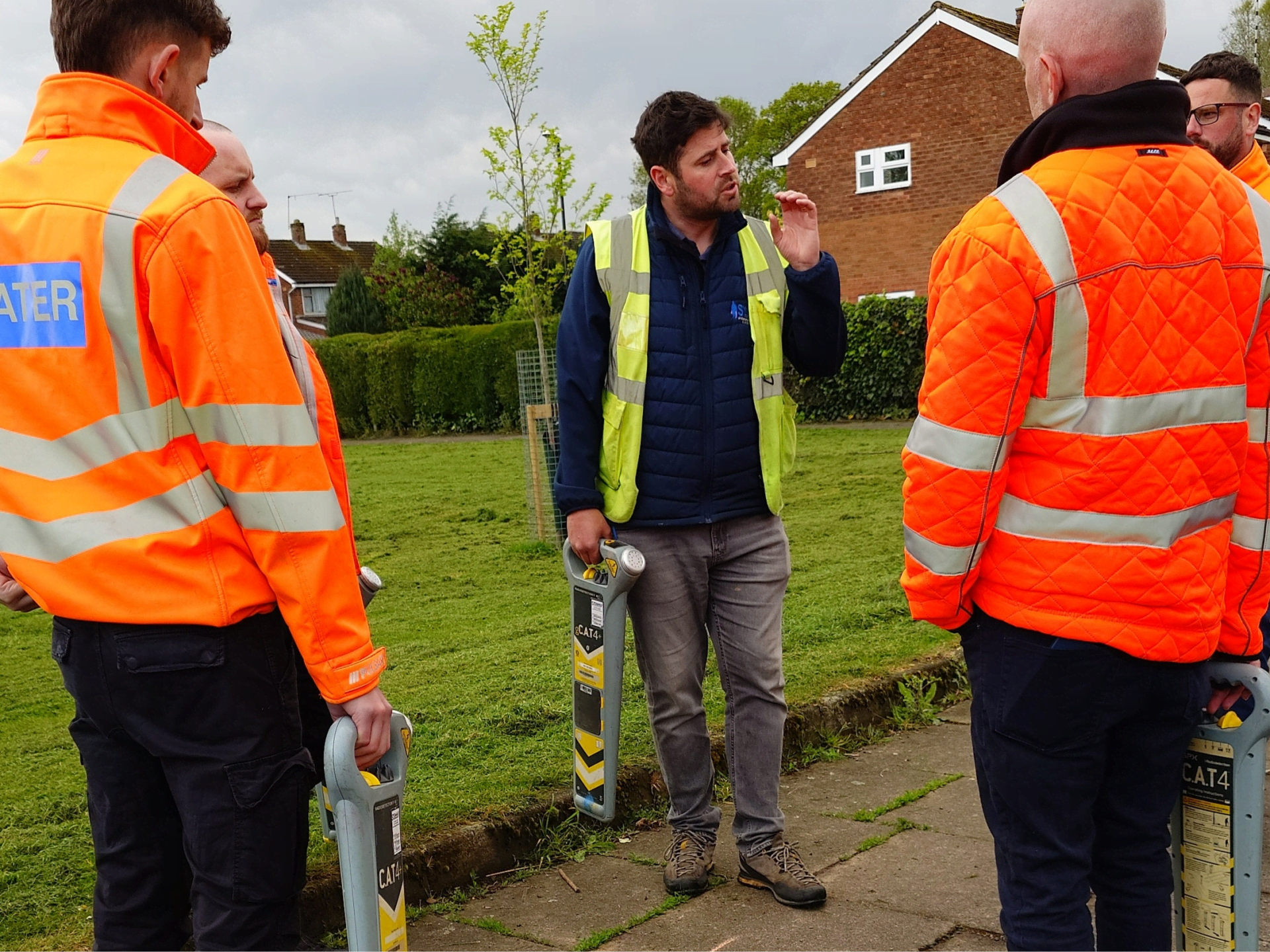
NPORS vs EUSR Cable Avoidance: Which Qualification Do You Need?
NPORS and EUSR both offer cable avoidance qualifications but they serve different purposes. This guide explains the differences, who accepts each one, and how to choose.
Read more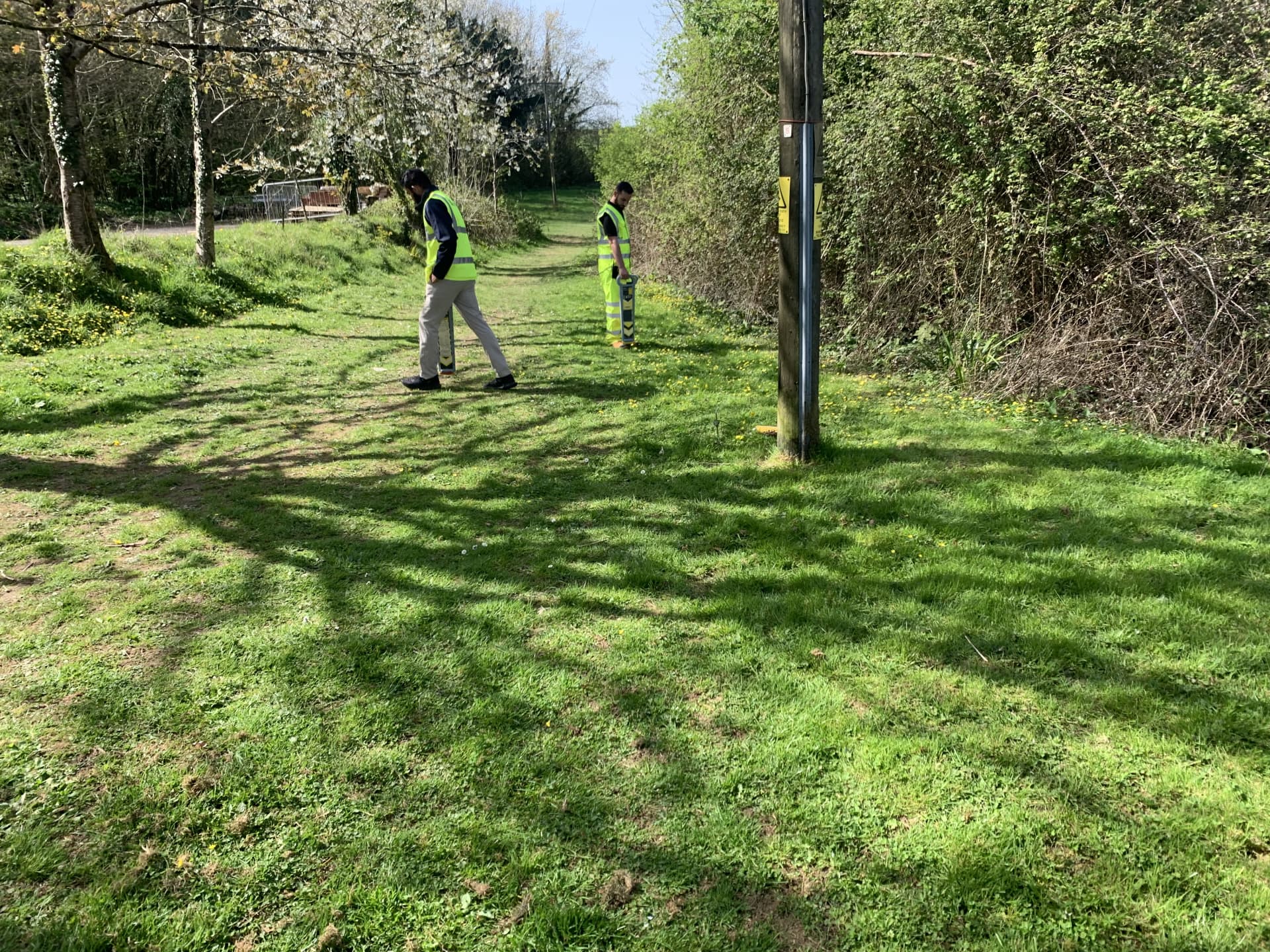
Utility Strike Prevention: A Guide for Site Managers
Most utility strikes are preventable. Practical guidance on pre-dig procedures, training requirements, supervision, and building a culture that prioritises doing it right.
Read more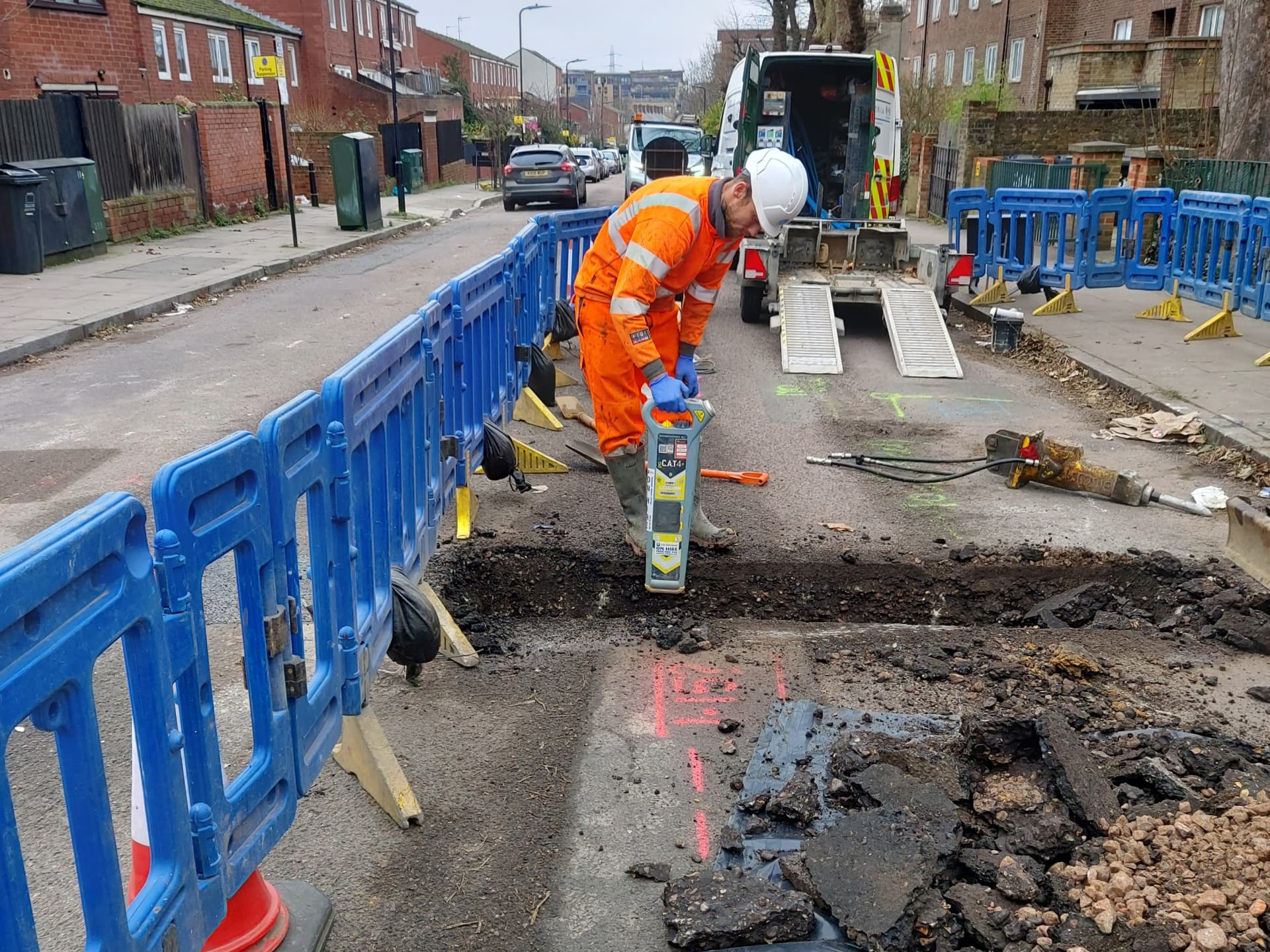
Kier Group: Bespoke Utility Avoidance Refresher
How Sygma built a 1-day refresher programme around Kier's own systems, policies, and incident data.
Read more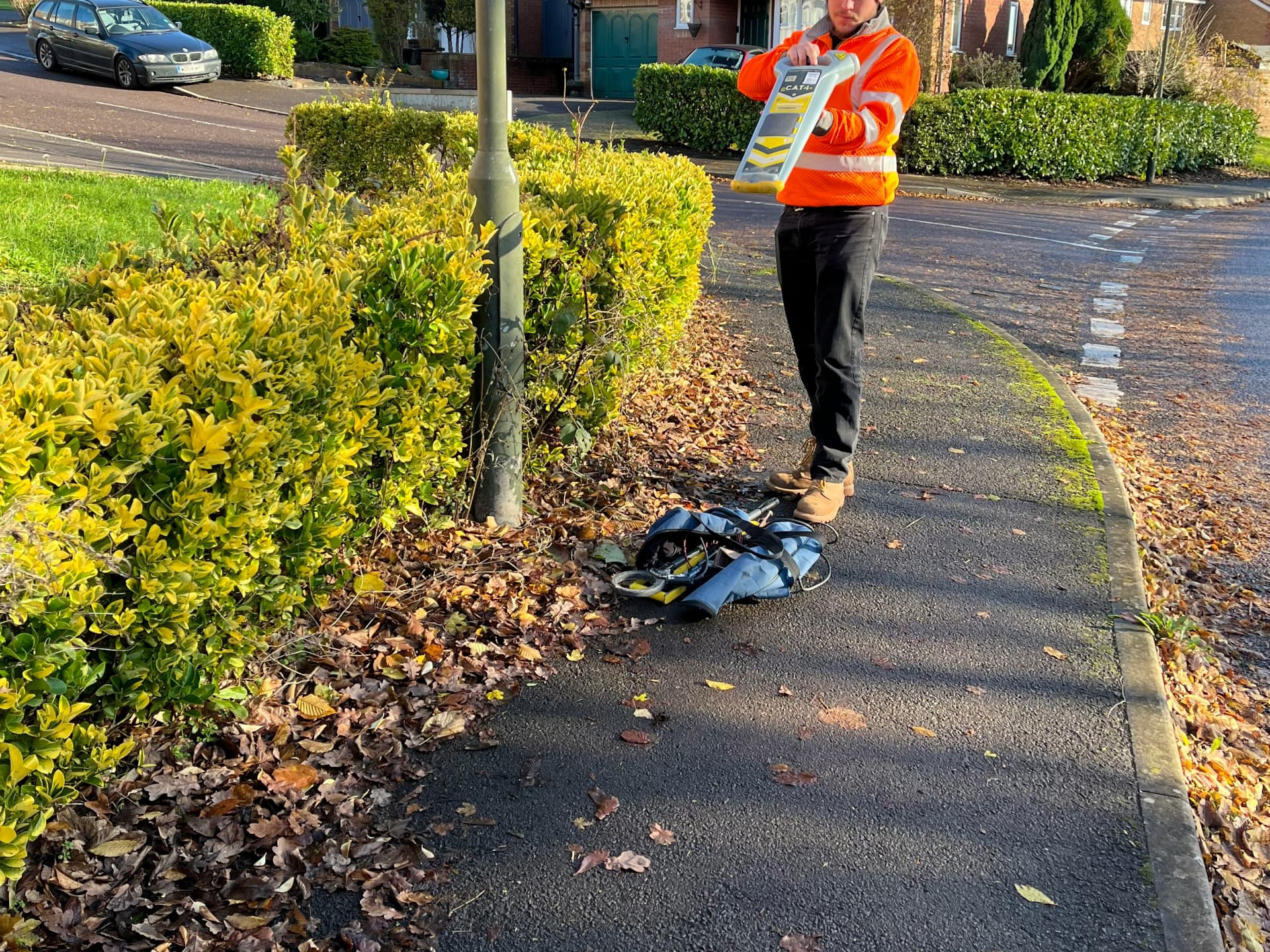
Morgan Sindall: PAS128 Leadership Briefings
How Sygma designed PAS128 utility survey training at the leadership level for Morgan Sindall's project managers.
Read more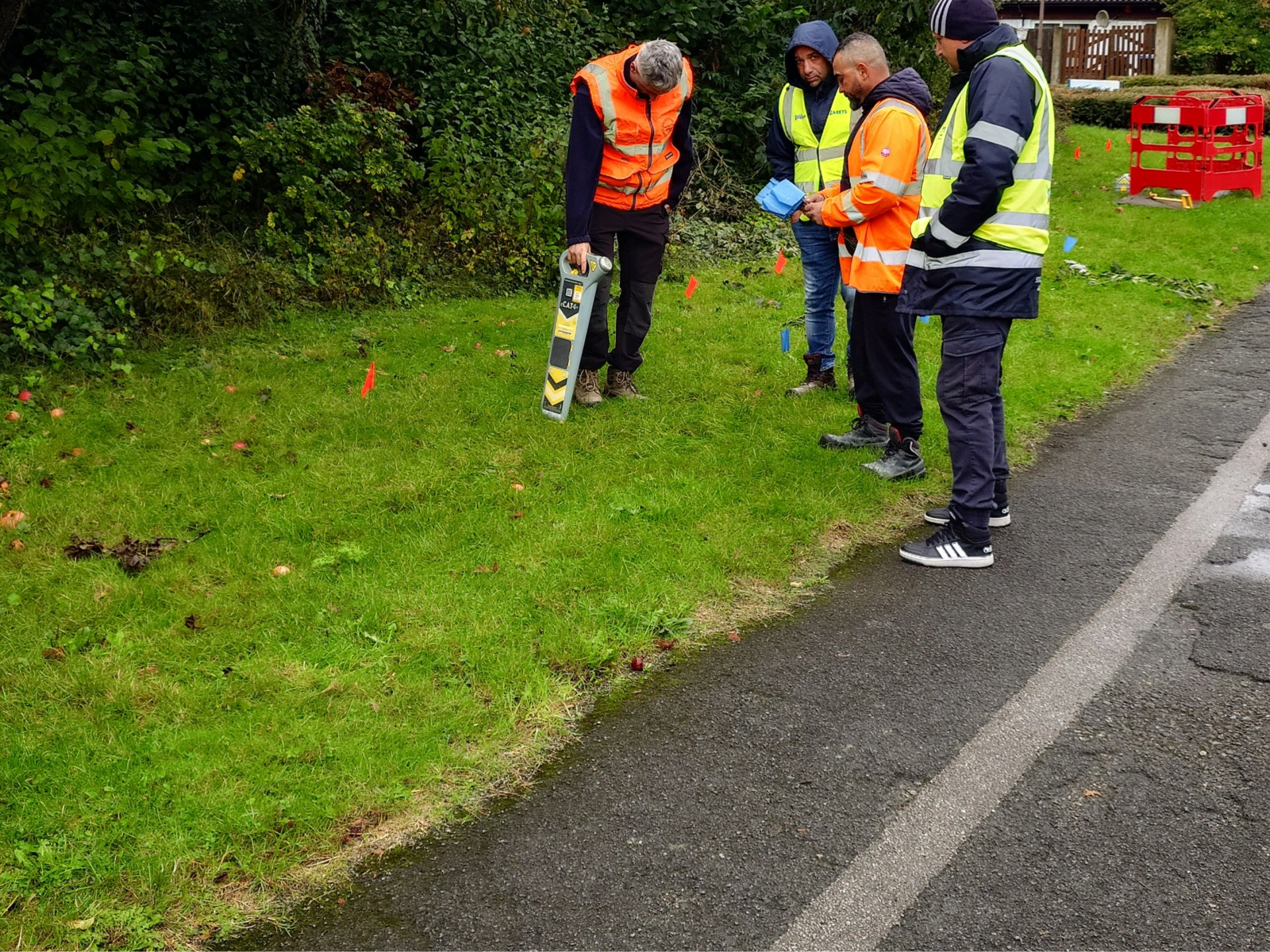
QTS Group: Rail-Specific CAT4 and Surface Laid Cables
How Sygma designed a rail-specific programme incorporating QTS's own toolbox talk and ZSI Super User training.
Read more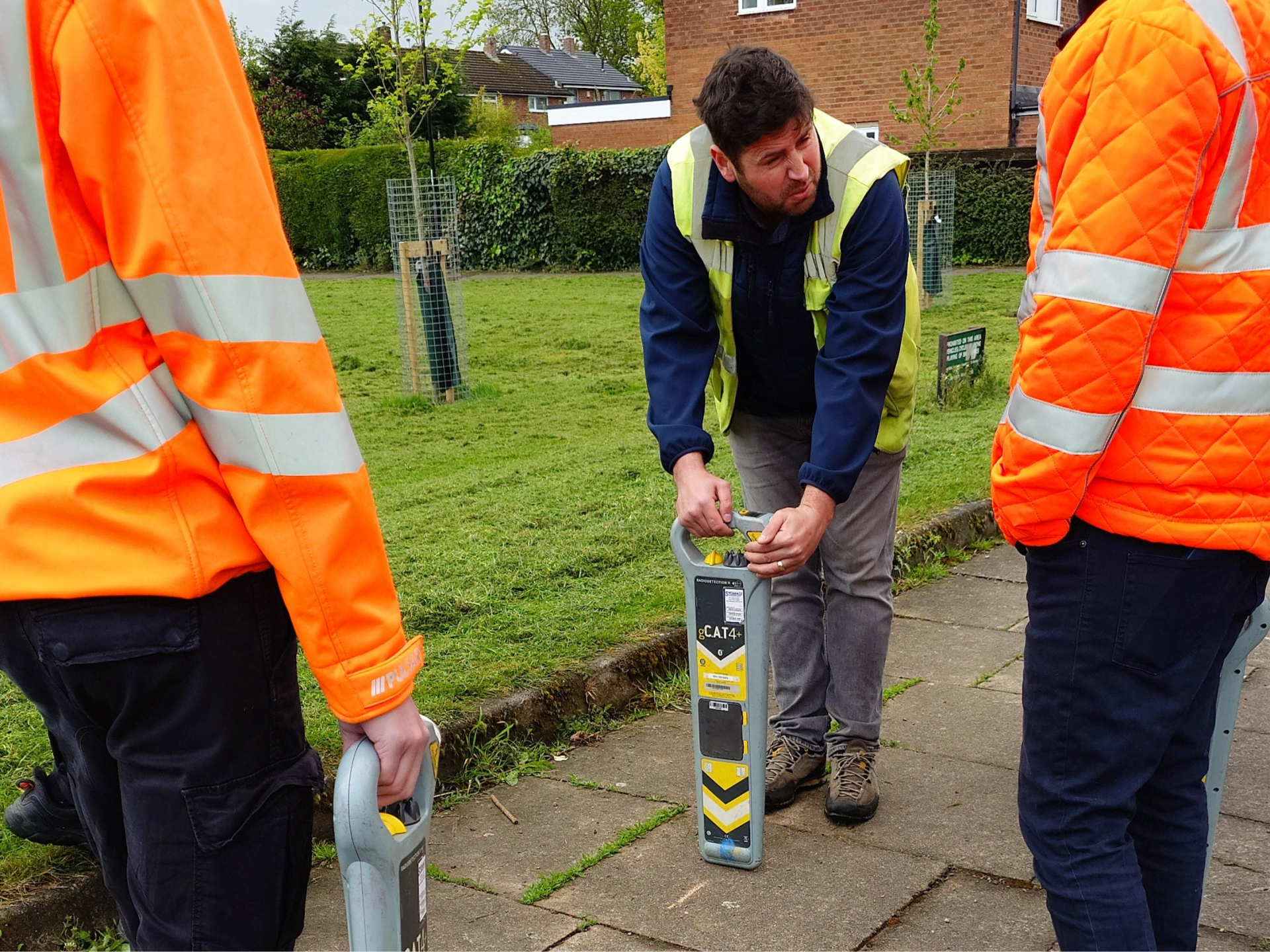
Severn Trent Water: 2-Day Bespoke Manager Training
How Sygma designed a management training programme built around Severn Trent's own policies and procedures.
Read more
How to Use a Genny and CAT: Direct Connection, the Signal Clamp and Induction
Two hours on signal application: earthing the transmitter, direct connection, the signal clamp, induction and the null antenna, and where the signal goes once you have applied it.
Watch video
Permit to Dig, Trial Holes and Exclusion Zones: An Excavation From Plan to Safe Dig
The whole excavation sequence: pre-construction information, the appointed person and the permit to break ground, the survey, then exclusion zones, trial holes and safe digging.
Watch video
Radiodetection RD8000 and RD8100 Explained: Frequencies, Connections and Current Direction
Frequency choice, getting an earth when the ground fights you, reading the magnetic field around a cable, working depth from field strength, and using current direction.
Watch video
CAT Manager Software: Getting the Data Off a CAT4, and Telling a Real Scan From a Box Ticked
Which models hold data, how to export it, how the report reads, and how a supervisor tells a proper scan from a box ticked.
Watch video
CAT Power and Radio Modes: What Passive Scanning Misses on Underground Cables
What the passive modes on a locator miss: how UK networks changed, why the same ground reads differently at different times of day, and why that makes the Genny the point.
Watch video
Reading Utility Plans: Loop-In Loop-Out, Tee'd Off, and What the Drawings Do Not Tell You
Real drawings worked through: the two ways street lighting is wired, what a plan does and does not tell you, and where to hook up when two cables are stacked.
Watch video
How UK Underground Utility Networks Are Built: Substations, Transformers and Reading the Records
What is actually under a UK street: 11 kV distribution, the colours HV cable really comes in, how LV feeds off the main, gas from the North Sea to the house, and sewers.
Watch video
Earthing a Genny, Using a Signal Clamp, and the Limits of Induction
The circuit a Genny actually makes: how far the signal travels, why every branch takes some off the LV, why outside lights work so well, and where induction runs out.
Watch video
Have a Technical Question?
Our trainers are available to answer questions from customers, clients, and industry contacts. Call us or get in touch.
Get in Touch